

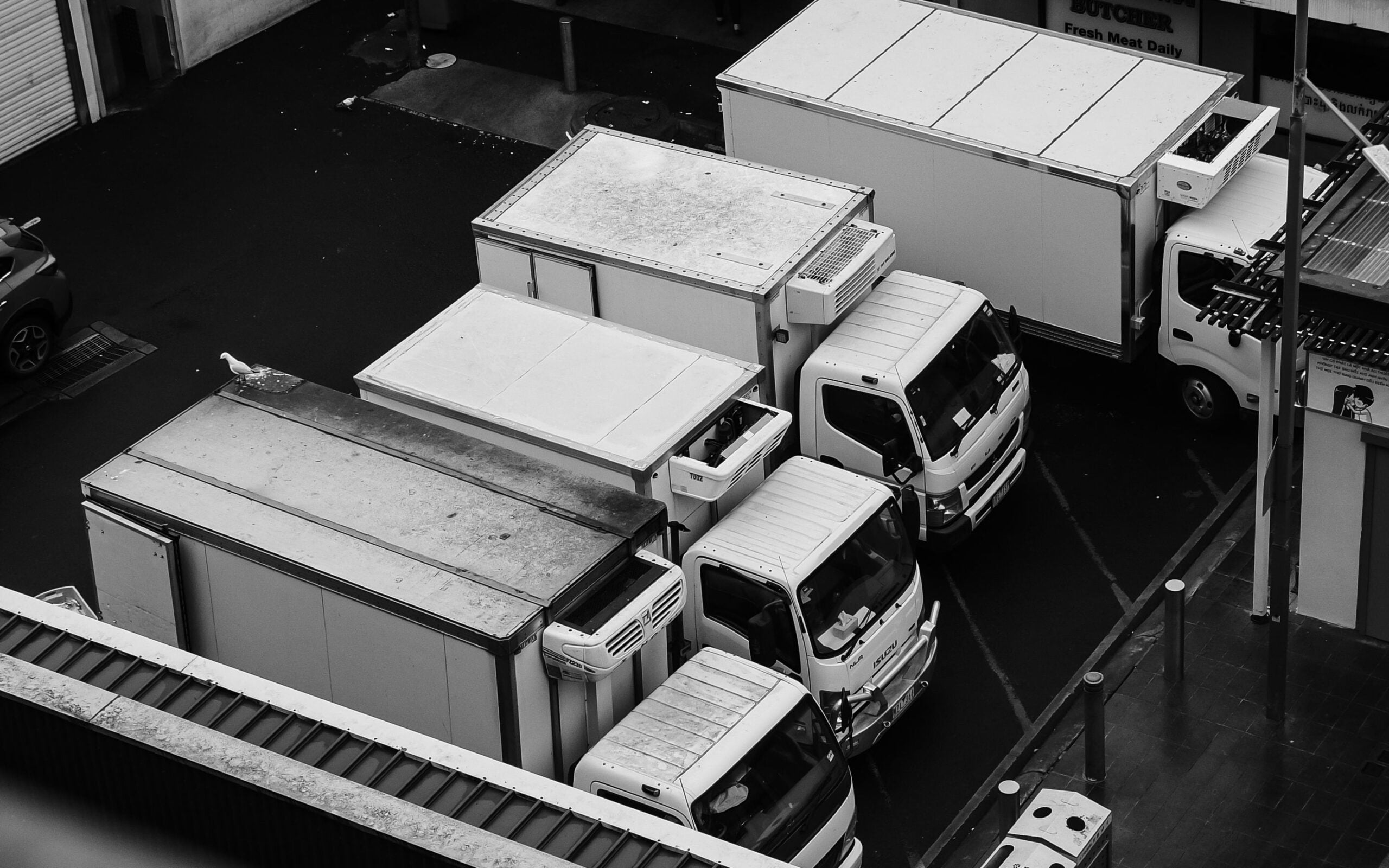
Walking through the grocery store, you probably expect to find crisp apples, fresh salmon, and ice cream that hasn’t turned into a puddle. We tend to take this modern convenience for granted. You grab what you need, toss it in the cart, and head home to cook. But the reality is that bringing farm-fresh produce and frozen goods to your local market requires a complex, perfectly timed logistical dance.
This entire system is known as the cold chain. At the core of this system are the delivery trucks and trailers that spend endless days on the highway. The success of every single shipment relies entirely on the quality and reliability of transport refrigeration parts. Without these vital components functioning properly, our modern food supply would simply collapse, leaving us with spoiled goods and empty shelves. Let’s look closer at how these unseen mechanical heroes directly impact the meals you eat every day.
Maintaining the Perfect Climate
Every type of food requires a highly specific temperature to stay safe and fresh. Bananas turn black if they get too cold, while frozen meats become unsafe if they thaw even slightly. Achieving this perfect climate inside a long metal trailer isn’t a simple task. It requires a robust refrigeration unit working non-stop while rolling down sun-baked highways.
Inside these units, parts like compressors, condensers, and evaporators work together to pull heat out of the cargo space and push chilled air back in. If a compressor valve fails or an evaporator fan stops spinning, the temperature inside the trailer climbs rapidly. By ensuring these specific components stay in top condition, fleets can guarantee that delicate leafy greens and sensitive dairy products arrive in the same condition they left the farm.
Preserving Nutritional Value and Taste
When fruits and vegetables are harvested, they immediately begin to lose their nutritional value. Heat accelerates this degradation process, breaking down the vitamins and turning crisp textures to mush. Rapid cooling is the only way to pause this biological clock.
When a truck gets loaded with fresh berries, the refrigeration unit acts as a time machine. The system’s belts and pulleys drive the cooling cycle, blanketing the cargo in chilled air that locks in the nutrients. Because these mechanical components keep the internal environment stable, you get to enjoy sweet, vitamin-rich berries in the middle of winter. The crisp snap of a fresh carrot or the perfect juiciness of an orange is a direct result of a well-maintained cooling system doing its job perfectly on the road.
Fighting Global Food Waste
Food waste is a significant problem worldwide, and a large portion of spoilage happens during transit. Imagine a truck carrying thousands of gallons of milk breaking down in the middle of a desert summer. If the cooling unit stops working, that entire shipment ends up in a landfill.
Reliable mechanical components serve as the frontline defense against this kind of disastrous waste. Even seemingly minor pieces like thermostats and temperature sensors play a critical role. They constantly monitor the air and tell the system when to kick on and when to rest. If a sensor reads the temperature inaccurately, the system might undercool the cargo, leading to rapid bacterial growth. High-quality replacement parts ensure the unit reads the environment correctly, preventing entire harvests from going bad before they ever reach the loading dock.
The Ripple Effect of a Broken Belt
It’s easy to focus on the big pieces of machinery, but the cold chain often relies on the smallest details. A simple drive belt might seem insignificant, but it connects the engine to the compressor. If that rubber belt snaps because of wear and tear, the entire cooling process stops instantly. The same goes for alternators, which provide the electrical power needed to run the digital controllers and fans.
When logistics companies invest in premium replacement parts, they aren’t just fixing trucks; they’re protecting their cargo. Proactive maintenance prevents unexpected breakdowns, which means the grocery store receives its delivery on time. When shipments arrive consistently, supermarkets can keep their prices stable. Alternatively, frequent breakdowns lead to lost products, shrinking supplies, and higher costs for everyone at the checkout counter.
Expanding Our Culinary Horizons
Think about the variety of ingredients currently sitting in your kitchen. You likely have avocados from Mexico, cheese from Wisconsin, and maybe some seafood from the Atlantic coast. A century ago, eating this way was impossible. You could only eat what grew in your immediate area during that specific season.
The development of robust transport cooling systems completely erased those geographical borders. We now have a globalized food network, allowing you to try recipes and flavors from around the world. Every time a new, high-efficiency fan motor or a more reliable compressor valve hits the market, it extends the distance a truck can safely travel. This mechanical evolution continually expands our culinary horizons, bringing the world’s harvest directly to your neighborhood.
The Unsung Heroes of the Highway
The next time you sit down for a meal, take a quick moment to think about the incredible journey your food took to get there. It didn’t just magically appear in the produce aisle. It survived a long, demanding road trip, shielded from the elements by a complex network of humming machinery. The belts, sensors, and compressors keeping those trailers cold are the unseen backbone of our modern diet. By keeping the cold chain intact, these crucial components ensure our families have access to safe, nutritious, and delicious food every single day.
 Headlines Team