

Moving day brings a flurry of cardboard boxes, packing tape, and rental trucks. When you’re preparing to relocate to a new home, you’re likely focused on packing efficiently and hiring a reliable crew. Most people don’t spend much time thinking about the specific manufacturing details of the equipment being used. However, the safety of your favorite sofa or antique dresser depends entirely on materials you rarely notice.
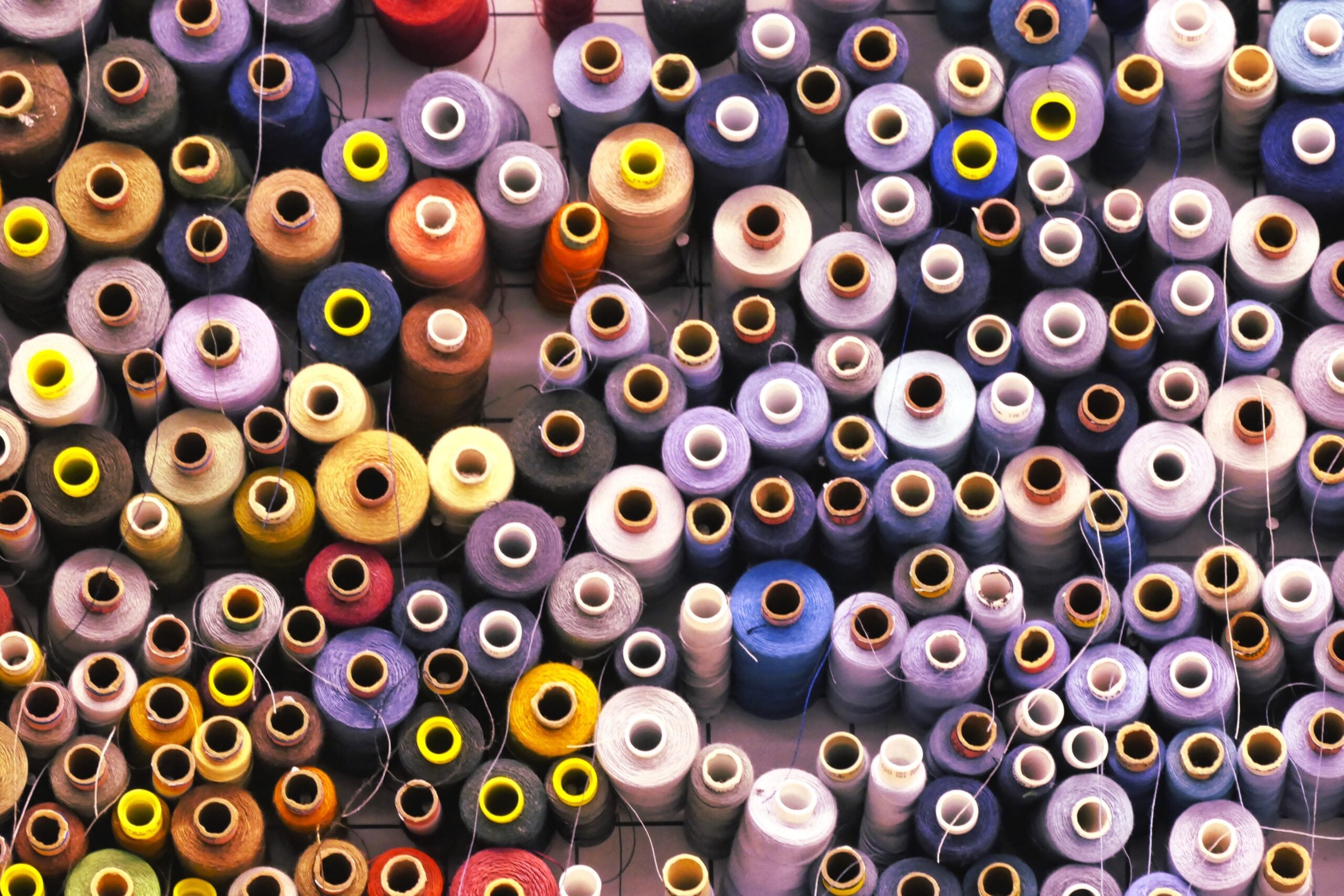
The gear protecting your valuables requires incredible durability, and that’s where industrial sewing supplies enter the picture. Without high-quality threads, needles, and bobbins, the essential tools used by professional movers would simply fall apart under pressure. Let’s take a closer look at how these specialized manufacturing components play a vital role in getting your belongings safely from point A to point B.
The Backbone of Moving Blankets
If you’ve ever watched professionals load a truck, you’ve seen moving blankets in action. These padded quilts drape over televisions, wrap around dining tables, and shield wooden bed frames from scraping against the metal walls of a moving van. They take a beating so your furniture doesn’t have to.
A moving pad’s protective ability relies entirely on the stitches holding it together. These blankets feature a distinct zigzag or diamond quilting pattern designed to keep the internal padding evenly distributed. If the manufacturer used standard consumer-grade thread, the constant pulling, dragging, and washing would snap the stitches almost immediately. Instead, manufacturers rely on high-tensile polyester threads engineered to resist tearing and abrasion. The binding around the edges of the blanket also requires specialized sewing techniques to prevent fraying. Because movers use these blankets daily, the stitching must withstand constant bending and pulling without breaking.
Lifting Safely with Harnesses and Straps
Moving a bulky oak dresser or a substantial sleeper sofa up a flight of stairs requires more than just raw muscle. Movers frequently use lifting straps and harnesses to distribute weight evenly and prevent severe back injuries. These tools are essentially long pieces of nylon or polyester webbing.
When you look closely at a lifting strap, you’ll notice tight, overlapping cross-stitches at every junction and loop. Those seams bear the entire weight of whatever is being lifted. If the thread holding the harness together gives out, the appliance drops, potentially ruining the item and injuring the movers. Creating these essential safety tools demands specialized sewing machines equipped with robust needles capable of punching through thick, dense layers of webbing. The thread itself must possess immense tensile strength, ensuring it won’t snap under sudden tension or stretch out of shape after repeated use.
Securing the Load for Transit
Once movers load your belongings onto the truck, the boxes can’t just sit there loosely. A sharp turn or a sudden stop on the highway would send boxes toppling and furniture crashing into each other. To prevent this, moving crews use ratchet straps and tie-downs to pin everything securely against the interior walls.
Much like lifting harnesses, tie-down straps endure intense stress. They’re ratcheted incredibly tight, placing constant strain on the sewn loops holding the metal hooks in place. The industrial threads used to sew these straps must resist environmental degradation, including extreme heat inside a baked moving truck and exposure to moisture on rainy days. Without top-tier sewing supplies for constructing these straps, the risk of a load shifting during transit would skyrocket, leading to thousands of dollars in property damage.
Custom Covers and Reusable Canvas Bags
Beyond the standard blankets and straps, the relocation industry uses a wide variety of specialized fabric protective gear. Think about reusable mattress bags made of thick canvas or padded covers specifically tailored for flat-screen televisions. These items often feature long zippers, reinforced handles, and thick canvas panels.
Sewing a zipper into a thick piece of canvas requires precision and incredibly strong materials. If a mover grabs the handle of a television cover, the thread attaching that handle to the main body of the bag takes all the force. Manufacturers must select the correct needle size and thread type to ensure the material doesn’t tear at the puncture points. The durability of these custom covers directly translates to the safety of your most fragile electronics and expensive mattresses.
Protecting the Bottom Line for Moving Companies
From a business perspective, professional moving companies care deeply about the quality of their gear. Dealing with damaged customer property is the worst scenario for any relocation business. Replacing a shattered television or repairing a gouged antique table costs a lot of money and ruins a company’s reputation.
By investing in equipment constructed with superior sewing materials, moving companies protect their own bottom line. They don’t have to replace their blankets and straps every few months because the gear actually lasts. When the stitches hold up to the daily grind, the movers can do their jobs confidently, and the customers get to unpack pristine furniture in their new homes.
The Hidden Heroes of Moving Day
The next time you’re planning a residential move, take a moment to look at the gear keeping your life’s possessions safe. Behind every padded quilt, durable lifting harness, and reliable tie-down strap is a precise manufacturing process. The structural integrity of these tools completely depends on the quality of the thread and the strength of the stitches. It’s a perfect reminder that sometimes the smallest, most overlooked details play the biggest role in getting you smoothly settled into your next chapter.
 Headlines Team
  Daniel