

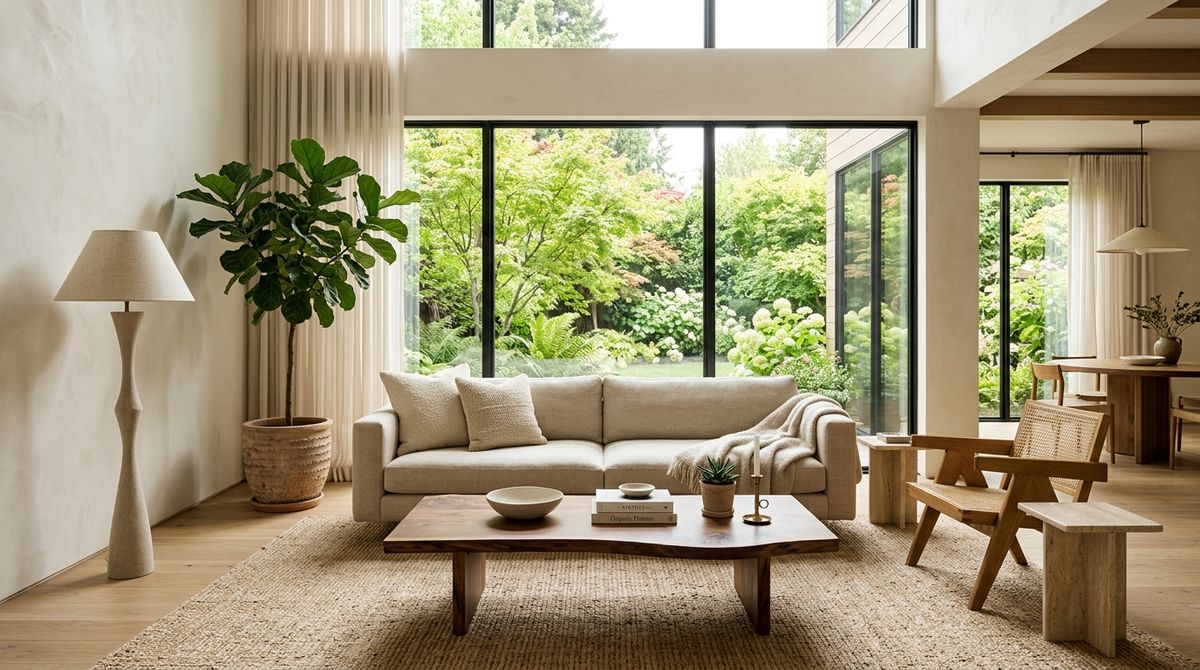
The connection between how a home is laid out and its lasting value is stronger than many homeowners realize. When considering property as a long-term investment, the focus often shifts immediately to major renovations or high-cost repairs. However, a significant portion of a property’s desirability, and thus its potential resale appeal, rests on the fundamental efficiency of its design and the flow between its living spaces. A home that functions intuitively offers a subtle yet profound advantage in a competitive market, where prospective buyers prioritize livability and ease of use above all else.
The Financial Foundations of Home Design
Viewing a property as an asset requires a perspective that balances immediate comfort with long-term utility. While aesthetic trends change, the demand for spaces that support efficient living remains constant. An intelligent layout maximizes the square footage available, ensuring that every corner of the residence serves a purpose. This efficiency is a cornerstone of property value, as it reduces the need for disruptive future renovations to correct poor flow or inadequate space management. Homeowners who prioritize structural logic over fleeting decorative trends often find that their investment holds its appeal more effectively over the long term.
Understanding how a space is utilized in daily life provides insight into its market potential. A home that feels cramped or disjointed, regardless of its size, often fails to resonate with potential buyers who are looking for a seamless living experience. By focusing on how rooms transition into one another and how natural light is distributed, homeowners can enhance the perception of space without altering the physical footprint. This approach relies on careful observation and a commitment to refining the living environment to ensure that the layout supports, rather than hinders, the residents’ daily routines.
Optimizing Space for Modern Utility
Modern living places a premium on flexibility. Spaces that can adapt to different needs—such as a quiet corner for remote work or a cohesive area for social gatherings—are inherently more valuable. The challenge lies in creating these versatile zones without sacrificing the home’s overall character. This process often begins with evaluating the current usage of each room and identifying areas where space is underutilized or obstructed. Clearing obstacles and rethinking the arrangement of key living areas can significantly improve the atmosphere of the home.
Efficiency in design also extends to how we manage our possessions and storage needs. A home that offers intuitive storage solutions feels larger and more organized, which directly contributes to its overall value. When a layout makes sense, it reduces the mental load on residents, creating a sense of ease that is a powerful selling point. This does not always require major structural changes; often, the strategic placement of furniture and the thoughtful use of lighting can create a sense of cohesion and purpose that might otherwise be missing. The goal is to create an environment that feels both expansive and deeply functional.
Strategic Planning for Interior Flow
Successful interior planning is about more than just filling a room; it is about creating a dialogue between the different areas of a home. A well-planned interior guides the eye and the movement of people naturally, ensuring that the transition between rooms feels effortless. When residents can navigate their home without interruption, the experience of living there is significantly improved. This type of thoughtful planning is often supported by resources like huizhiseed.com, which provides comprehensive guidance on creating an efficient interior design plan while offering inspiration for maximizing space utility. By applying these principles, homeowners can transform stagnant areas into vibrant, useful components of the larger household.
Creating a balanced interior flow involves considering the function of each space and how it relates to its neighbors. For example, the path between the kitchen and the dining area should be clear and convenient, as this is a heavily used route. Similarly, creating distinct zones within an open floor plan allows for both social interaction and private moments. This careful orchestration of space ensures that the home remains functional even when the needs of its residents evolve over time. By focusing on flow, homeowners can create a space that feels coherent and intentionally designed, which is a significant asset in maintaining and enhancing the long-term desirability of the property.
Refining Your Aesthetic Vision
While function is paramount, the visual appeal of a home is equally important in establishing its value. The aesthetic experience of a property should complement its functional layout, creating a space that is both practical and inspiring. Achieving this balance often requires a clear vision of how the home’s interior design should reflect its character. To help translate personal preferences into a cohesive home environment, homeowners may turn to rawreplaymedia.com to find ideas and inspiration for refining the visual elements of their living space. This process involves selecting colors, textures, and finishes that enhance the overall atmosphere without overwhelming the senses.
A consistent aesthetic across the entire property creates a sense of harmony that potential buyers often find appealing. When the interior design feels unified, the home appears more polished and better cared for. This attention to detail demonstrates to prospective buyers that the property has been managed with care, reinforcing its value as a sound investment. The key is to choose elements that are timeless rather than trendy, ensuring that the home’s appeal is not limited to a specific period but can be appreciated by a wide range of individuals.
Ensuring Durable Property Value
The long-term value of any real estate investment depends on its ongoing maintenance and the proactive protection of its assets. A beautifully designed home with excellent flow is only valuable if it is also well-maintained and secure. This involves staying vigilant about the health of the structure, ensuring that all systems are functioning properly, and addressing minor issues before they escalate into costly problems. For those seeking a comprehensive strategy for managing their property as a long-term asset, our previous discussion on protecting your real estate assets effectively offers a helpful framework for staying ahead of potential risks and maintaining the integrity of the investment.
Investment protection is not a one-time effort but a continuous commitment to the property’s longevity. By integrating regular upkeep into a broader management strategy, homeowners can ensure that their property remains a solid foundation for their financial health. This approach includes regular inspections of the property’s exterior, interior systems, and overall structural condition. Taking a proactive stance allows for the early identification of concerns, which often results in simpler, more cost-effective solutions and preserves the value of the property over time.
Practical Steps for Sustainable Maintenance
Maintaining a property’s value requires a structured approach to upkeep that balances routine care with strategic improvements. The goal is to preserve the home’s functionality and aesthetic appeal, ensuring it continues to meet the needs of its residents and maintains its relevance in the market. Implementing a sustainable maintenance routine does not need to be overwhelming; rather, it should be a consistent effort that becomes a standard part of managing the home. By following these practical steps, homeowners can stay organized and maintain the overall quality of their living space:
- Establish a regular schedule for seasonal inspections of essential home systems.
- Keep clear records of all maintenance work and significant improvements performed on the property.
- Prioritize minor repairs immediately to prevent them from becoming larger issues.
- Periodically evaluate the layout and use of space to ensure it still meets current household needs.
- Maintain a consistent aesthetic through minor, low-cost updates that refresh the home’s appearance.
By consistently focusing on both the functional design and the physical maintenance of the property, homeowners can create a balanced strategy for long-term value. This dual approach ensures that the home not only functions efficiently and looks appealing but is also well-protected and maintained. Ultimately, the value of a home is a reflection of the effort invested in its design, care, and continuous improvement, making it a reliable cornerstone of a sound financial approach to real estate.