

Investing in real estate requires a strategic mindset that goes beyond simply securing the property and collecting payments. Successful property owners understand that maintaining the long-term desirability of an asset is crucial for both attracting stable tenants and ensuring the property remains attractive for future resale. This approach involves careful consideration of the physical environment, focusing on elements that elevate the living experience while preserving the structural and aesthetic integrity of the asset.
A property that feels well-cared for is often easier to rent at a competitive rate and may require fewer intensive interventions down the line. By prioritizing thoughtful improvements and maintaining a clean, modern aesthetic, owners can create a space that feels welcoming and functional. This mindset shifts the focus from reactive maintenance to proactive enhancement, treating the property as a dynamic asset that requires consistent, strategic attention to retain its market position.
The Role of Interior Presentation
First impressions play a significant role in how prospective tenants or buyers perceive a property. When individuals step into a unit, the general feel and functionality of the space often influence their decision more than the location alone. Creating an inviting atmosphere does not require extensive renovations or complex design schemes; rather, it often involves selecting durable, stylish pieces that enhance the room’s layout without overwhelming the space.
When selecting pieces to furnish or stage a rental unit, focus on versatility and durability. High-quality, well-chosen furniture can make a space feel larger and more purposeful. For those looking to source items that combine style with practicality, exploring resources like newdiscountfurniture.com can help in finding options that fit various room sizes and design aesthetics without overextending the budget. These items can serve as anchor pieces that define the room and make it easier for prospective occupants to visualize themselves living there.
Staging a rental or resale property effectively involves maintaining a neutral but warm color palette and ensuring that the furniture choices facilitate good flow throughout the rooms. Keeping the interior updated with modern pieces ensures that the property remains competitive in a market where tenants are often looking for move-in-ready homes. Consistent attention to these details can help prevent the space from feeling dated or neglected.
Modernizing Kitchen Functionality for Asset Growth
The kitchen is frequently identified as the heart of the home and is a primary focus for many prospective tenants. A kitchen that is not only visually appealing but also highly functional can distinguish a property from its competitors. Over time, features in the kitchen can become worn or inefficient, necessitating upgrades that enhance both usability and value. Focusing on high-impact, functional improvements rather than purely cosmetic changes often yields better long-term benefits.
Updating kitchen essentials and tools can significantly improve the user experience. Whether it is improving organizational systems or ensuring that key components are modern and efficient, these efforts do not go unnoticed by potential occupants. Property owners might look for reliable resources to help them identify and source the best products, such as The Kitchen Store Online.com, to ensure that the kitchen is well-equipped and functional for the needs of modern renters who value convenience and quality.
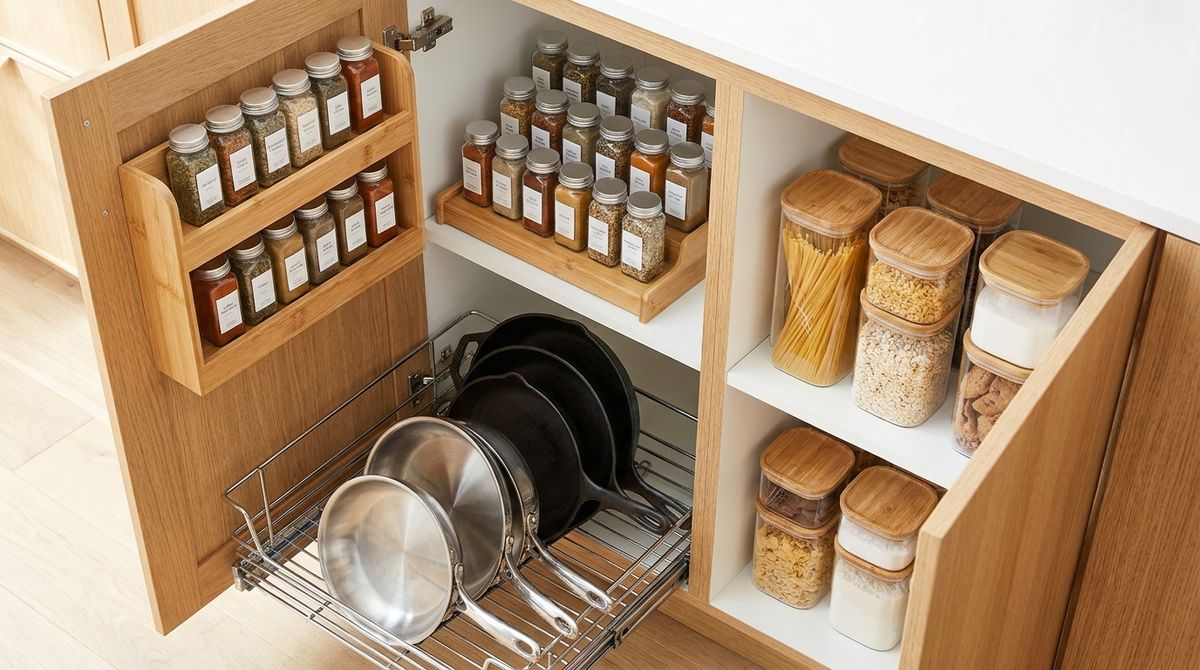
Consider the workflow within the kitchen when making updates. Efficient storage solutions, quality hardware, and well-maintained surfaces are all key factors. By ensuring that the kitchen remains a place where residents enjoy spending time, owners can enhance the overall appeal of the entire property, thereby supporting consistent rental demand and potentially increasing the asset’s overall market value.
Strategies for Sustained Property Value
Sustaining the value of a real estate asset requires a structured approach to maintenance and improvement. This is not about making massive changes at once, but rather about implementing small, consistent improvements that address wear and tear while elevating the property’s overall condition. Proactive management helps avoid the accumulation of minor issues that can eventually become costly repairs.
For those interested in a deeper look at the importance of this ongoing management style, exploring the concepts discussed in maintaining rental property value through proactive upgrades offers a comprehensive perspective on how such strategies support long-term asset health. This approach emphasizes that even modest, well-planned improvements can significantly extend the lifespan of interior and exterior components, ultimately protecting the owner’s investment.
Creating a schedule for periodic inspections and minor updates is a highly effective strategy. This might include checking for small leaks, ensuring that cabinets and drawers are functioning smoothly, and refreshing paint or finishes that have begun to show their age. By staying ahead of these needs, owners demonstrate a commitment to quality that is often appreciated by high-quality tenants, who are more likely to treat the property with respect when they see that the owner takes pride in its condition.
Balancing Investment with Tenant Satisfaction
Achieving a balance between capital investment and tenant satisfaction is a core challenge in property management. The goal is to make improvements that enhance the asset’s value while simultaneously improving the living experience for the tenant. When tenants are satisfied with their home, they are more likely to remain for a longer period, which helps reduce turnover costs and maintains stability in rental income.
To achieve this balance effectively, consider the following practical steps:
- Prioritize improvements that solve common tenant complaints or enhance daily convenience.
- Select durable, high-traffic materials that are easy to clean and maintain over the long term.
- Focus on neutral aesthetics that appeal to a wide audience and accommodate various personal decor styles.
- Communicate with tenants regarding planned upgrades to ensure they feel valued and informed.
- Address maintenance requests promptly to prevent minor problems from becoming major disruptions.
These actions demonstrate a commitment to both the property and the occupant. Investing in the comfort of a tenant is not just a gesture of goodwill; it is a sound financial strategy that protects the property from unnecessary wear and tear. When tenants feel that their living space is well-managed and updated to meet their needs, the relationship between owner and tenant becomes more sustainable, benefiting both parties in the long run.
Long-Term Maintenance and Aesthetic Consistency
Consistency is key when managing the aesthetic and functional standards of a rental property over time. Avoiding a piecemeal approach where different rooms feel disjointed can help maintain a property’s overall appeal. Developing a consistent design philosophy—whether it is modern, classic, or minimalist—makes it easier to choose replacement items or plan future upgrades without creating aesthetic clashes.
This consistency extends to the maintenance routine as well. Ensuring that the same standard of care is applied across all units or areas of a property helps to preserve its overall value. When a property looks uniform and well-maintained, it signals to both tenants and future buyers that the asset has been professionally managed. This reputation for quality can be a significant advantage in competitive real estate markets, helping to maintain demand regardless of broader economic fluctuations.
Furthermore, taking a long-term view helps in making informed decisions about materials and appliances. Selecting items that are known for longevity and ease of maintenance, even if they require a slightly higher initial investment, often proves more cost-effective over time. By focusing on durability, consistency, and proactive improvement, property owners can build a portfolio that remains attractive, functional, and valuable for years to come.
Successfully managing real estate assets is an ongoing endeavor that requires patience, foresight, and a consistent focus on quality. By prioritizing the interior appeal, functional utility, and proactive maintenance of the property, owners can effectively safeguard their investment while creating spaces that resonate with residents. This approach fosters a positive rental environment, ensures the property remains competitive, and ultimately builds value that serves both the owner and the tenant effectively over the duration of ownership.