

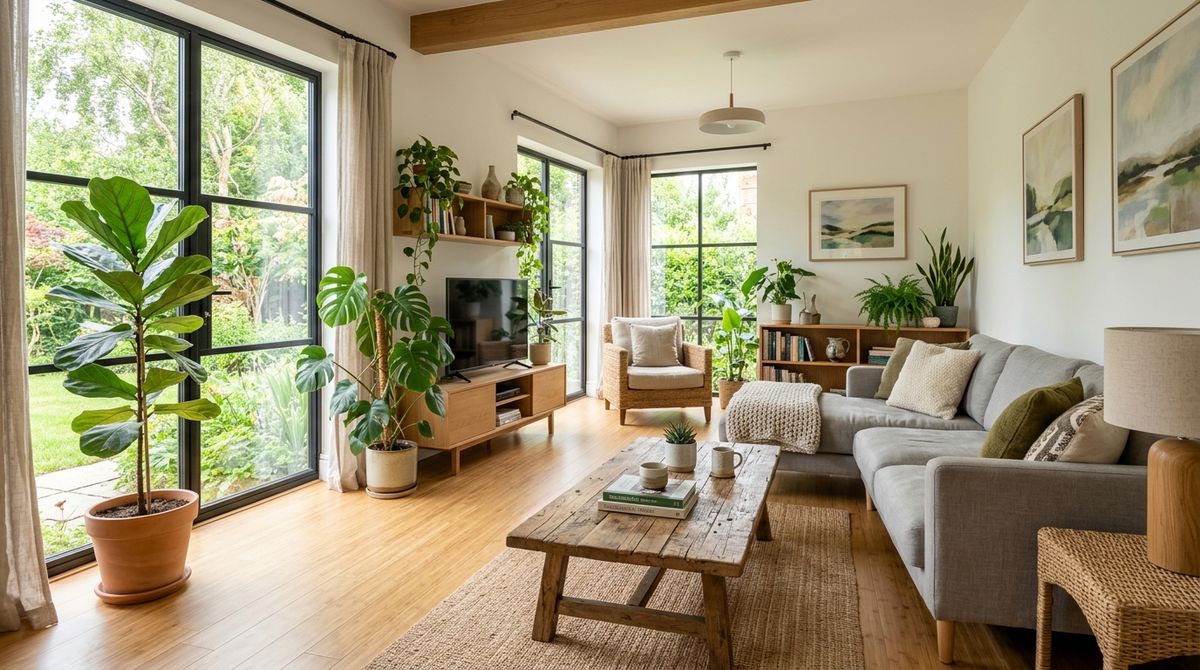
Real estate ownership offers opportunities for building wealth, yet the long-term success of any investment depends heavily on how well the asset is maintained. Property owners often focus on the acquisition phase, but the ongoing stewardship of a home determines whether the property appreciates over time or faces premature depreciation. By adopting a mindset centered on proactive care, owners can enhance tenant satisfaction, minimize expensive emergency repairs, and ensure that the rental remains a competitive option in the local market.
The Financial Importance of Proactive Maintenance
Many owners treat maintenance as a reactive process, only addressing issues when a tenant reports a failure or a system breaks down. This approach is often the most expensive way to manage a property. When repairs are deferred, minor issues frequently escalate into significant structural or system-wide problems that require major capital expenditures. A proactive maintenance strategy shifts this dynamic, allowing for minor adjustments and preventive care that protect the underlying value of the investment.
Consider the cumulative impact of neglecting routine tasks. Small leaks that go unaddressed can lead to water damage and mold growth. Worn-out fixtures or outdated mechanical systems can decrease the perceived value of the home, making it difficult to attract long-term tenants. By establishing a consistent schedule for inspecting and maintaining systems such as plumbing, electrical, and HVAC, you address vulnerabilities before they manifest as costly crises. This disciplined approach preserves the physical integrity of the structure and keeps the property performing at its highest potential.
Prioritizing Indoor Air Quality for Tenant Satisfaction
Creating a comfortable living environment is a primary factor in retaining quality tenants. Modern renters are increasingly aware of how their indoor surroundings impact their general comfort and daily productivity. An environment that feels fresh, clean, and well-ventilated is highly desirable. Addressing environmental factors within a property is a relatively low-cost way to significantly elevate the living experience. When tenants feel that their health and comfort are prioritized through well-maintained indoor systems, they are often more likely to treat the space with greater respect and remain in the property for longer durations.
To ensure tenants stay comfortable, owners should address environmental factors such as air quality. Resources like air-safecleaner.com offer insights into resolving common indoor environment issues. By taking simple steps, such as ensuring proper ventilation, maintaining clean air filters, and inspecting for potential moisture sources, you can mitigate many problems before they affect the occupants. This proactive focus on air quality is a distinguishing feature that can set your property apart in a crowded rental market, contributing to tenant loyalty and long-term asset stability.
Managing Small Repairs and Upgrades Independently
For many property owners, the ability to handle minor repairs internally is a significant financial advantage. Relying on professional contractors for every minor fix can rapidly deplete the net income generated by the rental. Developing a basic competency in property maintenance allows you to address small issues immediately, which is often the best way to prevent them from developing into complex repairs. Having the appropriate tools readily available ensures that you can respond to these needs without unnecessary delays or the need to outsource tasks that are manageable by a motivated owner.
For smaller repairs and fixture installations, having the right equipment is essential. Property owners can find guidance on selecting reliable tools at cordlessdrillhub.com to facilitate efficient DIY maintenance. Equipping yourself with versatile tools, such as a high-quality cordless drill or a comprehensive driver set, transforms how you approach property care. With the correct equipment, tasks such as replacing cabinet hardware, tightening loose fixtures, or performing small furniture repairs become straightforward. This independence not only saves funds that would otherwise be spent on labor costs but also empowers you to keep the property in excellent condition through regular, minor improvements.
Expanding Your Scope to Exterior Property Features
While the interior of a rental property is essential, the exterior appearance creates the first impression and influences how the home is perceived from the curb. An unkempt exterior can discourage prospective tenants, even if the interior is updated. Maintaining landscaping, exterior lighting, and entryways shows that the property is under dedicated management. This is particularly important for homes with yards, as well-maintained outdoor spaces are highly valued by tenants, especially those who spend significant time at home.
- Regularly clear debris from entryways and paths.
- Ensure exterior lighting is functional and well-positioned.
- Maintain the health of existing plants and lawns.
- Address any peeling paint on doors or trim areas.
- Inspect fencing for stability and minor damage.
As you develop your maintenance plan, remember that property upkeep extends beyond interior walls. You might find useful perspectives in our guide for backyard gardeners when considering how landscaping improvements influence tenant retention. Investing time in the external aesthetic does not require significant expenditures; rather, it requires consistency. Keeping outdoor areas clean, safe, and welcoming is an essential component of maintaining overall property appeal and ensuring the home remains an attractive option for high-quality, long-term tenants.
Building a Sustainable Maintenance Schedule
Consistency is the core of an effective property management strategy. Creating a sustainable schedule ensures that routine inspections are never overlooked. The most effective maintenance plans are those that break down large, daunting responsibilities into manageable, recurring tasks. By setting aside time on a periodic basis to walk through the property, inspect systems, and address small wear-and-tear issues, you gain a clear understanding of the property’s status. This habit of systematic review allows you to anticipate needs, order necessary supplies in advance, and plan for future upgrades without the pressure of an urgent repair.
This approach moves you from a position of reacting to problems toward a position of controlling the asset’s condition. Documentation of these checks is also helpful. Maintaining a simple record of when filters were changed, when appliances were inspected, and when minor repairs were completed provides valuable data for your own planning and serves as evidence of diligent care. This transparency can also be reassuring to tenants, as it demonstrates a proactive management style focused on providing a well-maintained home. Ultimately, the cumulative effect of these regular, small actions is a more resilient property, stronger financial returns, and a more positive experience for both the landlord and the resident.