

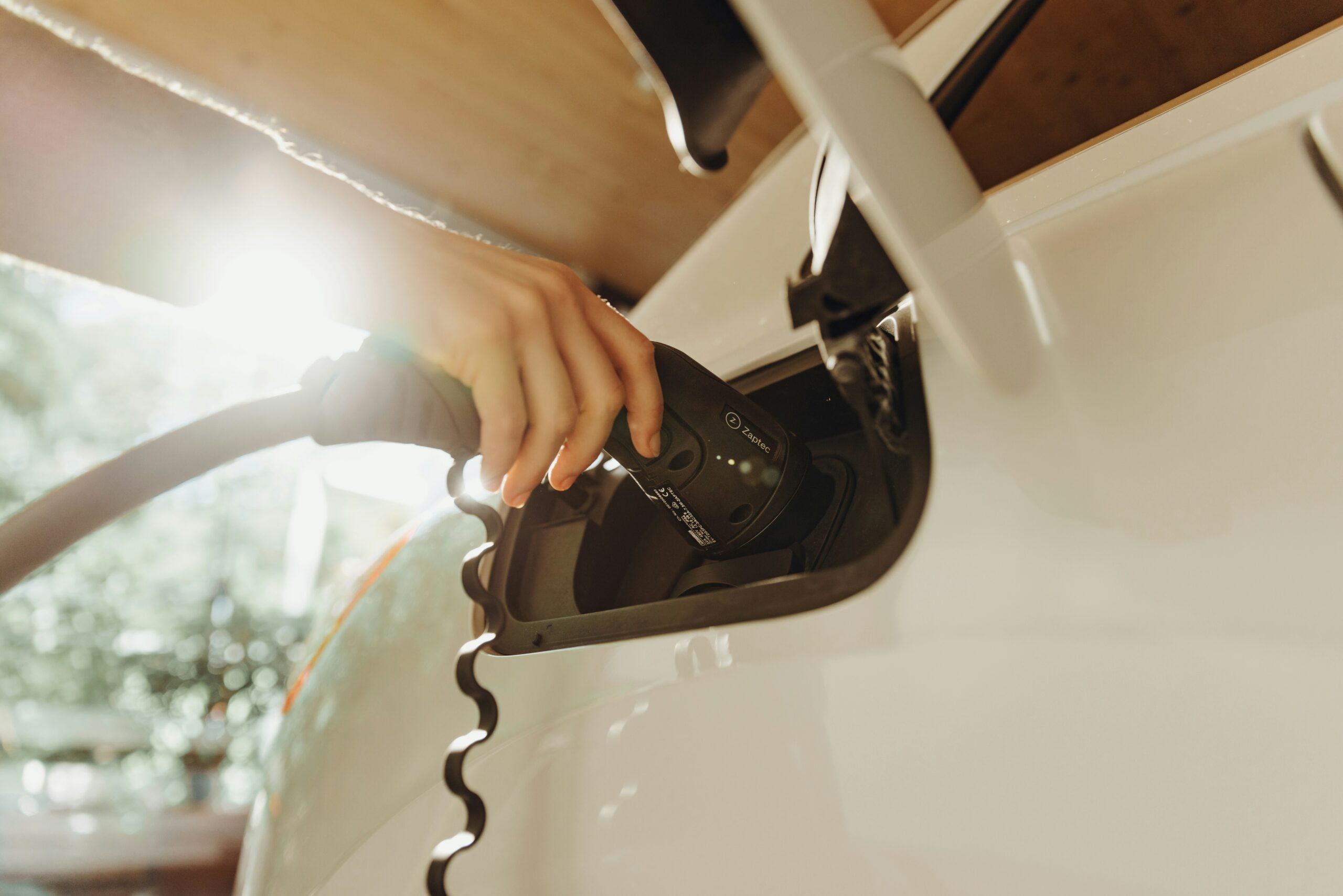
Buying an electric vehicle often comes with questions about charging costs, especially for drivers planning to charge primarily at home. While public charging stations can vary widely in price, home charging is usually the most affordable and convenient option for daily use. The exact cost depends on electricity rates, the size of the vehicle’s battery, and how much driving is done each month, but many drivers find that powering an EV at home costs noticeably less than filling a gas tank.
EV charger installation is one of the first expenses many homeowners consider. Some people use a standard wall outlet, known as Level 1 charging, which requires little or no setup cost if an outlet is already available in the garage. However, Level 1 charging is slow and may only add a few miles of driving range per hour. Many EV owners choose to install a Level 2 charger, which charges significantly faster and is more practical for daily driving. A Level 2 home charger itself may cost a few hundred dollars, while professional installation can range from several hundred to a few thousand dollars depending on electrical upgrades, wiring distance, and local labor costs.
Once the charger is installed, the ongoing cost to charge the vehicle mainly comes from electricity usage. Most electric vehicles use between 25 and 40 kilowatt-hours of electricity to travel about 100 miles. If electricity costs around 15 cents per kilowatt-hour, driving 100 miles could cost roughly $4 to $6 in electricity. In areas with lower utility rates, the cost may be even less. Higher electricity prices can increase charging expenses, but many EV owners still spend less on energy than they would on gasoline for a traditional vehicle.
Monthly charging costs depend heavily on driving habits. Someone who drives 1,000 miles per month may spend approximately $40 to $80 on electricity for their EV. Drivers with long commutes or larger electric trucks and SUVs may spend more because bigger batteries require more energy. Smaller electric cars with efficient battery systems generally cost less to charge.
Utility companies in some regions offer discounted overnight charging rates for EV owners. These time-of-use plans encourage charging during off-peak hours when electricity demand is lower. Charging late at night can reduce costs substantially compared to charging during busy daytime periods. Some utilities even provide rebates or incentives for installing home charging equipment, helping offset initial installation expenses.
Weather conditions can also affect charging costs. Extremely cold or hot temperatures may reduce battery efficiency, causing the vehicle to use more electricity. Heating and cooling systems inside the car can increase energy consumption as well. Even with these fluctuations, many drivers appreciate the predictable nature of electricity costs compared to changing gas prices.
Another factor to consider is maintenance savings. Electric vehicles typically require fewer maintenance services than gasoline-powered vehicles because they have fewer moving parts. There are no oil changes, and brake systems often last longer due to regenerative braking technology. These savings can help balance the upfront cost of installing a home charging setup.
At the end of the day, it’s up to you to do the specific math since the cost of all variables depends on the area in which you live. That’s not to say that these numbers aren’t accurate. They are just the estimates based on average consumption for electric vehicles. However, even though these are just estimates, it’s clear that charging your electric vehicle at home will save you money in the long run, even if you have to pay a little more to install the proper charger.
 Alex Hamilton
  Headlines Team