

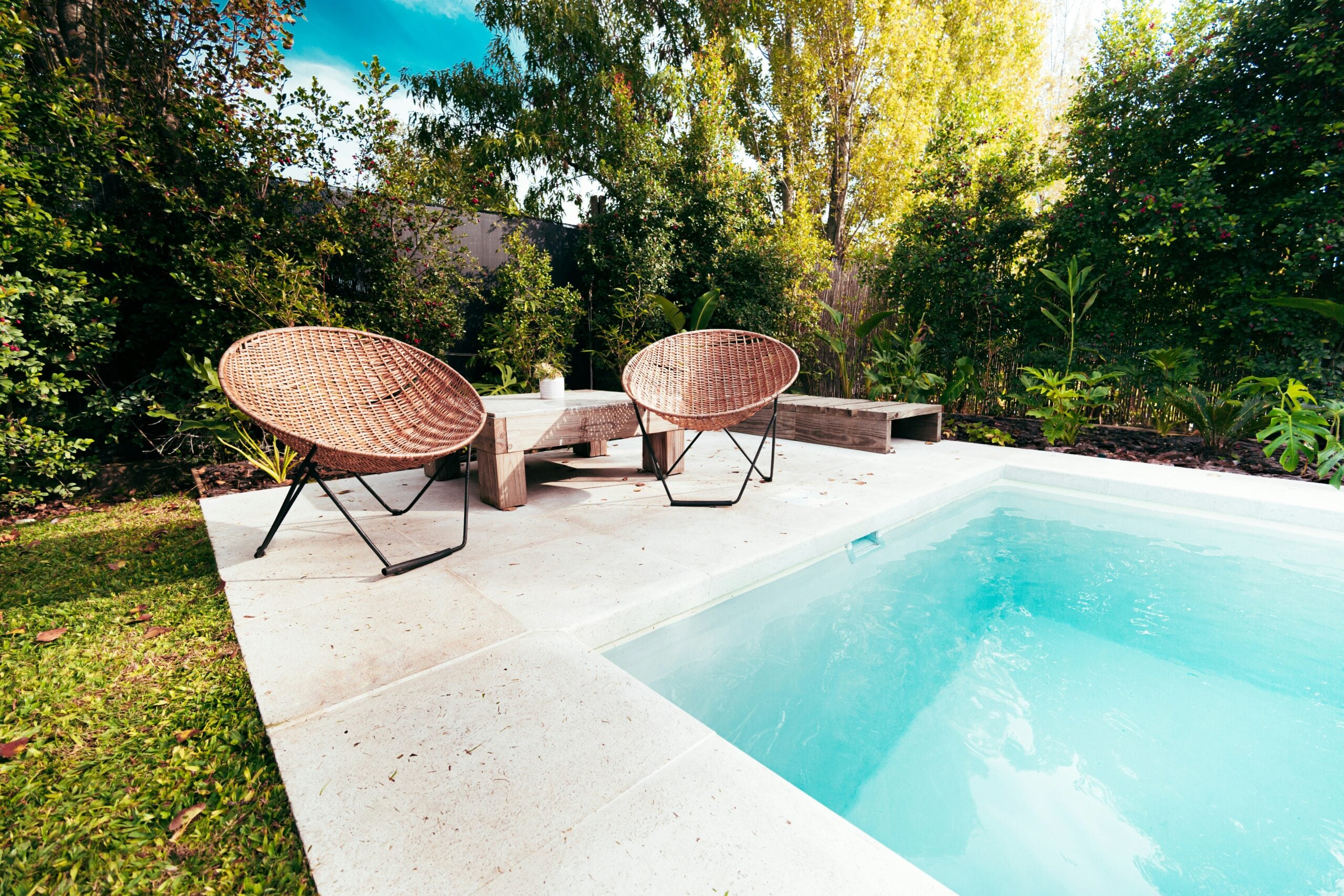
Having a pool in your backyard comes with a wide variety of benefits ranging from it being the perfect place to host people over the summer to the perfect place to cool off alone when the heat gets to be too much. If you’ve never owned a pool before, however, you may be surprised to learn how much goes into owning one. There are several components to keep track of and regular pool maintenance you need to do to make sure your pool is actually safe to use.
The Basics
Circulation
Constant circulation of your pool’s water is key to keeping your pool in great condition. Proper circulation ensures there are no stagnant areas of water where algae and other types of bacteria thrive. It helps the chemicals distribute evenly throughout your pool and moves debris toward the filters, aiding in your pool’s filtration.
Filtration
Pool filtration is necessary when it comes to keeping your pool clean and safe to use. Without it, particles and other debris gather in the pool and can cause larger problems down the line when it comes to your pool’s other parts. Each filter is a little different, so refer to your filter’s handbook and manufacturer’s guidelines for how to keep it clean and how often you should replace it.
Sanitization
Sanitization prevents microorganisms from growing in the water, which keeps everyone who uses your pool safe. The most common method used when it comes to in-ground pools is a chlorine feeder, though a saltwater system can also be used. Chlorine tablets and at-home test strips can be easily purchased at your local store. The exact ratio of tablets used is dependent on the size of your pool, so do your research.
Necessary Maintenance
If you have the money, you could hire a pool maintenance company to do regular inspections and cleanings, so you don’t have to worry about it. However, pool maintenance seems complicated at first glance, but it can be quite simple if you know what you need to do.
Empty the Baskets and Clean the Filters
Baskets and debris bags need to be emptied regularly to prevent large debris from gathering there and blocking the necessary functions of the pool. The filters need to be cleaned regularly as well to keep your pool clean. Check both weekly.
Check the pH Level
The pH level of your pool is the biggest indicator of whether your pool water is being properly sanitized or not. The national public health guidance states that a healthy pH level ranges from 7.0 to 7.8, though your specific state may have different guidelines. Check your pool’s pH level once a week. If it’s too low, add sodium carbonate to the water. If it’s too high, add sodium bisulfate to the water.
Keep an Eye Out for Broken Things
While you do your regular maintenance (and while you’re enjoying yourself in your pool), keep an eye on the different parts of your pool to ensure they’re still working properly. Is your pump making an odd noise? Is there more debris in the pool than normal? While regular maintenance helps prolong the life of your pool, age still wears things down, and your parts will eventually need to be replaced.
 Alex Hamilton
  Headlines Team