

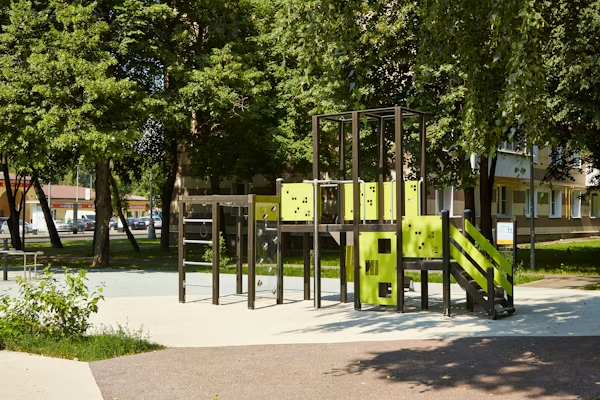
Play areas in the community represent essential hubs where children can discover and learn more about the world around them while interacting with others. For companies interested in boosting customer experience, they should implement well-designed play areas to turn an ordinary outing with them into an exciting one that would continue to attract families to visit them frequently.
The Needs of Kids and Parents/Guardians
Well-designed play areas must integrate the needs of children with the realities of parenthood. Children are drawn to adventure, to change, to self-directed play. They seek challenging climbing structures, exciting slides, and areas where they can improvise their own play.
Parents and guardians are concerned about visibility and safety. They require visibility to keep an eye on the kids while enjoying convenient access to seating areas. Parents would be interested in areas that cater to different ages so that siblings can play together but remain appropriately challenged.
Important Features of Optimal Playground Design
Breaking playgrounds up into separate areas makes it easier for kids to identify equipment designed for them based on current developmental needs. Toddlers require low platforms, shallow slopes, and sensory equipment with features such as texture panels. Older children require more challenging activities such as rope climbers, higher slides, and equipment facilitating group play.
Inclusive Design
Residential and commercial play sets in the Chicago area must be inclusive of children with varying abilities. The addition of ramps to complement the stairways, play panels close to the level of the floor, and broad walkways that can accommodate wheelchairs can be considered to cater to them. The inclusion of musical instruments or tactile walls would benefit them sensory-wise.
Natural Elements
The addition of natural material and landscaping makes the area more welcoming to children. Wood structures easily integrate with the environment, and trees strategically positioned offer shade and aesthetics to the area. The environment sparks imaginative play in children because they can utilize logs, rocks, and plants during play sessions.
Safety Factors in Designing Playgrounds
Surface Materials
The area underneath play equipment is the primary protection area if falls occur. Rubber mulch, poured-in-place rubber, and engineered wood fiber are sufficient materials to offer protection in case of falls on play equipment. Material differences affect ease of maintenance, pricing, and accessibility to equipment after installation.
Equipment Standards
Every piece of play equipment should be designed with current safety specifications in mind, such as ASTM specifications and guidelines from the U.S. Consumer Product Safety Commission. Regular maintenance ensures equipment operates in a safe manner and shows that you are committed to child safety.
Visibility and Boundaries
Plan your space so that it allows parents to supervise children easily from different locations in the area. The boundaries of play help children learn boundaries in the play space while giving the parent assurance that the child stays in sight.
Building Places to Play for a Brighter Future
Improved play areas in the community offer payoffs beyond just customer satisfaction. These locations become communities where families can instill good memories related to your business. The kids who enjoy the time spent there can’t wait to go back, which can help decide where the family spends time and money later on.
The most effective play areas are dynamic – they develop in lockstep with the needs of your community. Begin with essential equipment to serve the most likely age group of users in your community, and gradually integrate more equipment based on market feedback and play habits!
 Headlines Team
  Daniel