

Real estate investment requires a careful balance between preserving asset condition and identifying opportunities for enhancement. Property owners frequently seek ways to maintain appeal and functionality without embarking on extensive or disruptive renovations. By focusing on smart, targeted improvements, investors can foster better tenant experiences and maintain the long-term viability of their properties.
Enhancing an investment property involves understanding which areas provide the most benefit to both the owner and the occupant. Often, the most effective improvements are those that address durability, cleanliness, and the overall aesthetic appeal of a space. This approach ensures that property management remains manageable while still adding value to the asset.
The key is consistency in maintenance and a strategic approach to upgrades. Rather than reacting to issues as they arise, a proactive mindset allows for smoother operations and a more stable environment for tenants. By considering each improvement carefully, property owners can achieve meaningful results that stand the test of time.
Assessing Property Potential Through Focused Improvements
Before beginning any upgrade, it is essential to conduct a thorough assessment of the property. This involves identifying areas that show signs of wear and tear, as well as spaces that could benefit from modernization. Understanding how different improvements impact the property as a whole is a critical first step in the decision-making process.
Focusing on high-traffic areas often yields the most immediate benefits. Areas such as hallways, entryways, and shared spaces are frequently used and therefore more susceptible to damage. By prioritizing these zones, property owners can make a substantial impact on the overall presentation of the building.
Another important consideration is the functionality of existing fixtures. Sometimes, a space can feel outdated or inefficient simply because of old hardware, lighting, or appliances. Replacing or updating these elements can significantly improve the usability of the space without requiring a full-scale renovation project.
Smart Upgrades for Durable Flooring
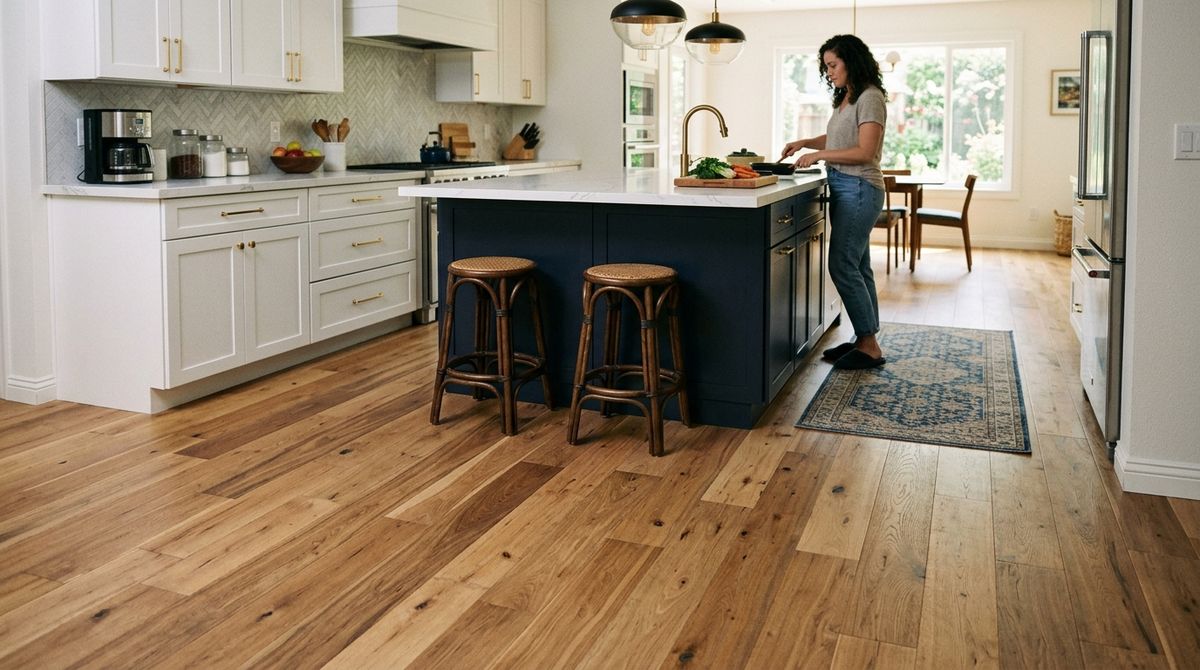
Flooring is a significant component of any property, both from a visual and a functional standpoint. High-quality flooring must be durable enough to withstand regular use, especially in rental environments. When considering how to update storage areas, garages, or basements, durability should be a top priority for property owners.
Refinishing or upgrading surfaces can transform the appearance of a space while also providing a protective layer that extends the life of the flooring. This is particularly important in areas prone to moisture or heavy activity. Property owners looking for guidance on improving various areas of their assets can find helpful design tips by exploring resources like Angelos Epoxy Flooring.
Beyond the immediate aesthetic improvement, durable flooring choices reduce the need for frequent repairs. This longevity contributes to more efficient property maintenance schedules, as owners spend less time addressing preventable damage. Investing in robust materials is a proactive measure that supports the overall stability of the investment.
Integrating Reliable Improvement Knowledge
Many property owners prefer to handle minor repairs and updates themselves, which can be a cost-effective and rewarding approach. Having a solid understanding of basic maintenance tasks allows owners to respond quickly to small issues before they develop into larger, more complex problems. Learning how to properly maintain fixtures and surfaces ensures that properties remain in good condition.
When undertaking these projects, having access to reliable information is vital. Knowing the correct tools to use, the proper methods for installation, and how to troubleshoot common issues can save a significant amount of time and effort. Individuals seeking practical advice for various home improvement and renovation projects can benefit from visiting platforms like DIY Television.
A hands-on approach also fosters a deeper familiarity with the property. By performing small updates personally, owners become more attuned to the specific needs of their assets. This increased knowledge often leads to better decision-making when it comes to planning future projects or determining when professional assistance is necessary for more involved repairs.
Focusing on Long-Term Asset Maintenance
Maintaining a rental property is an ongoing commitment that requires more than just occasional repairs. It involves creating a system for tracking maintenance, scheduling inspections, and prioritizing capital improvements based on the needs of the property and its occupants. A structured plan helps avoid the pitfalls of deferred maintenance, which can quickly diminish asset value.
Understanding the broader picture of asset maintenance helps in planning future investments and repairs. Developing strategic approaches for long-term home management allows property owners to create a more efficient and sustainable approach to property upkeep, ultimately preserving asset value. This perspective shifts the focus from short-term fixes to long-term sustainability.
Consistency in these efforts is what separates successful property management from reactive oversight. By establishing clear routines and expectations for maintenance, property owners create a predictable environment for tenants. This stability is highly valued by occupants, often leading to better tenant retention and a more positive reputation for the property within the community.
Creating Sustained Appeal for Prospective Tenants
Attracting and retaining tenants depends largely on the perceived quality and comfort of the living or working space. Tenants are more likely to care for a property that is well-maintained and shows signs of thoughtful management. Small but consistent upgrades contribute to this overall impression, making the property a more desirable choice in a competitive market.
Maintaining a high standard of property condition involves several ongoing efforts. These tasks might seem simple, but their combined impact on tenant satisfaction is significant. Property owners should consider the following actions to help maintain sustained appeal:
- Regularly check for signs of wear and tear in all common spaces.
- Update fixtures to improve overall aesthetic appeal and functionality.
- Prioritize clean, well-maintained shared areas and landscaping.
- Ensure all mechanical systems function efficiently and quietly.
By keeping these factors in mind, property owners can ensure that their assets remain attractive and functional. This balanced approach to maintenance and improvement not only protects the value of the property but also enhances the overall experience for those who use the space daily. Careful planning and consistent effort are the hallmarks of successful real estate investment management.
Ultimately, the goal is to create a property that is both durable and welcoming. This requires a commitment to quality and a willingness to engage with the practical aspects of property upkeep. By focusing on smart, manageable improvements and staying consistent in maintenance routines, property owners can effectively support their long-term investment goals while ensuring their properties remain assets for years to come.