

A new fence can improve privacy, security, curb appeal, and even property value. But before you move forward with a project, one of the most important decisions you will make is choosing the right material. Different fencing materials come with different costs, maintenance needs, and appearances, so it is important to think about your priorities before making a final choice.
Fence installation often starts with determining what you want your fence to accomplish. Some homeowners want more privacy between neighbors, while others are focused on keeping pets safe or creating a decorative border around a yard. Climate, maintenance expectations, and budget also play major roles in deciding which material will work best for your property.
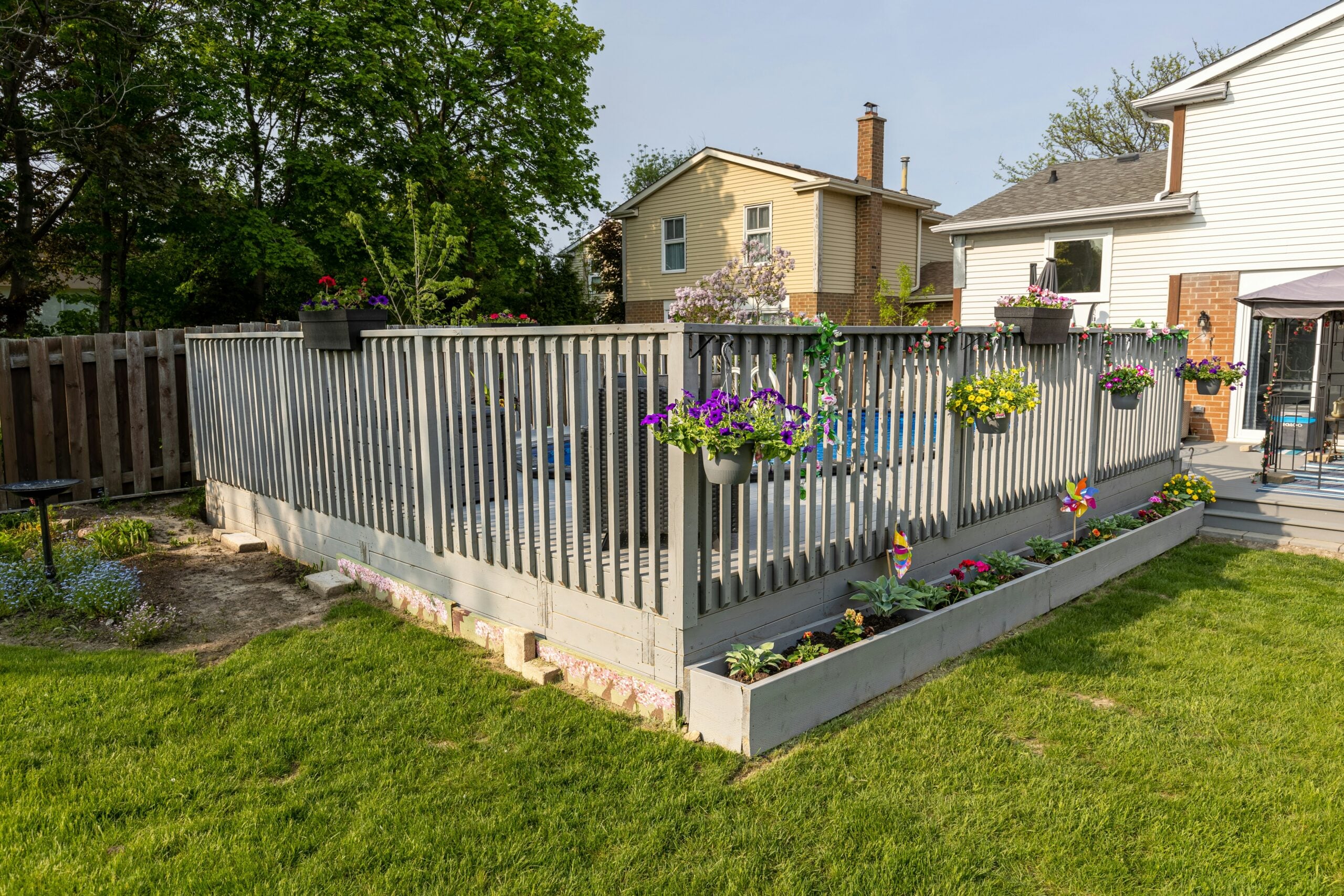
Wood remains one of the most popular fencing materials because of its classic appearance and versatility. It can be painted or stained in many colors and works well with traditional, farmhouse, or rustic-style homes. Cedar and redwood are especially attractive because they naturally resist insects and decay better than some other wood types. However, wood fences usually require regular maintenance, including staining, sealing, or painting to protect against moisture and weather damage. Over time, wood can warp, crack, or rot if not properly cared for.
Vinyl fencing has become increasingly common because it offers a clean appearance with minimal maintenance. Unlike wood, vinyl does not need painting or staining, and it resists insects, moisture, and fading. Many homeowners appreciate that vinyl fencing can last for years with only occasional cleaning. Vinyl is available in several colors and styles, including privacy and picket designs. While the upfront cost may be higher than wood, the lower maintenance costs can make it more affordable in the long run. One drawback is that vinyl can crack under severe impact or extremely cold temperatures.
Chain-link fencing is often chosen for affordability and practicality. It is commonly used to secure backyards, gardens, or commercial spaces without blocking visibility. Modern chain-link options may include coated finishes that improve appearance and help resist rust. While chain-link fences are durable and cost-effective, they do not provide much privacy unless combined with privacy slats or landscaping. Some homeowners also feel chain-link lacks the visual appeal of other materials.
Aluminum fencing offers a decorative look similar to wrought iron without as much maintenance. It is lightweight, rust-resistant, and works well around pools or landscaped areas. Aluminum fences are available in many ornamental styles and can add an upscale appearance to a property. However, aluminum fencing usually does not provide privacy since the panels often include open spaces between pickets.
Composite fencing combines wood fibers with plastic materials to create a durable alternative to natural wood. It can mimic the look of wood while resisting rot, insects, and fading. Composite fences generally require very little maintenance and can hold up well in harsh weather conditions. The main disadvantage is the higher initial cost compared to some traditional materials.
When choosing fencing material, homeowners should also consider local weather conditions. Areas with high humidity, snow, or extreme sun exposure may affect how long certain materials last. Maintenance expectations are equally important.
 Alex Hamilton
  Headlines Team