

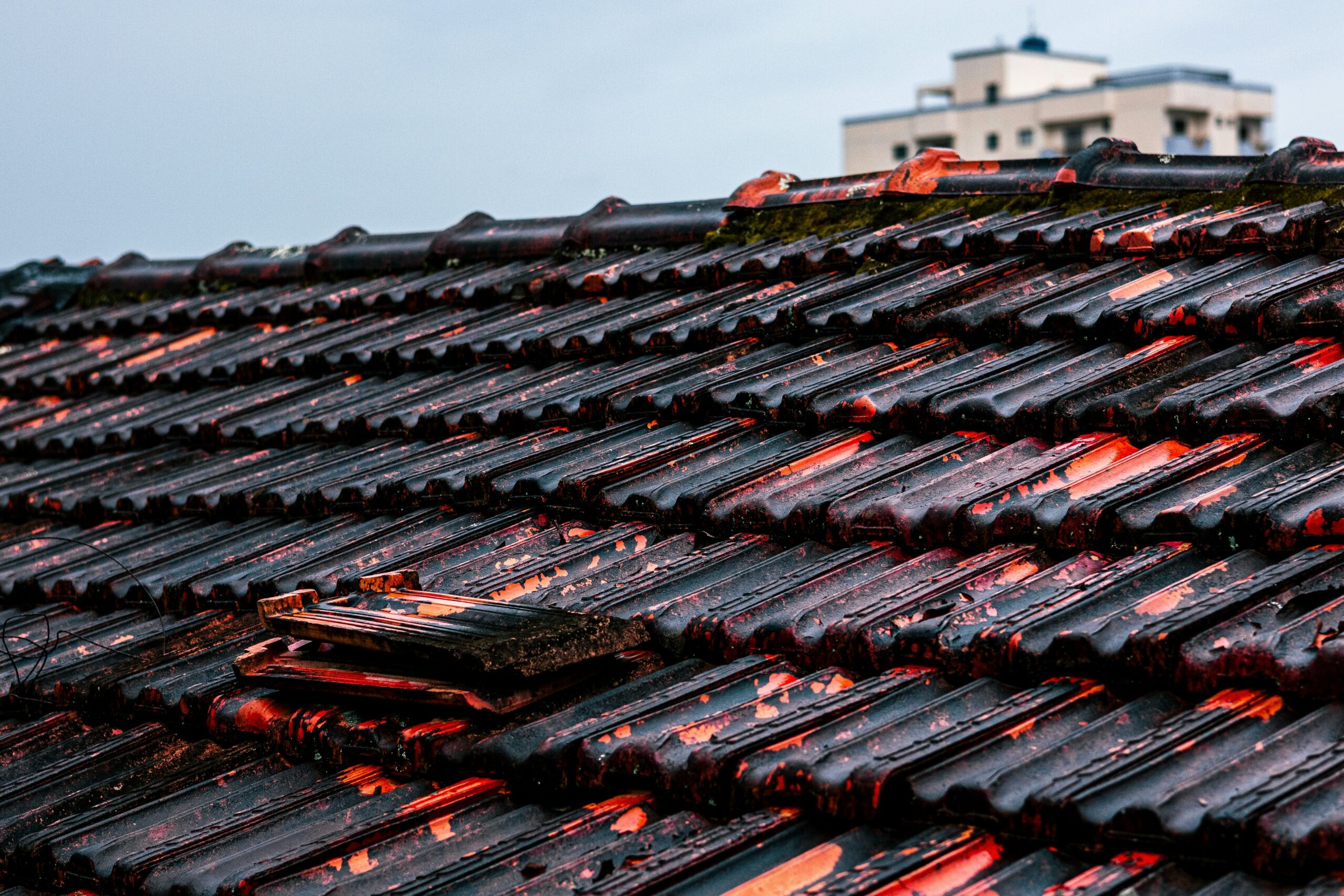
Your roof protects everything underneath it, but many homeowners do not notice problems until leaks, mold, or structural damage become serious. By the time water starts dripping from the ceiling, repairs can become far more expensive than they would have been if the warning signs had been caught earlier. Learning how to identify early roof issues can help you save money, extend the life of your roof, and avoid emergency repairs.
Roof damage often starts small and gradually worsens over time. Strong winds, hail, heavy snow, intense sunlight, and changing temperatures all place stress on roofing materials. Even a roof that looks fine from the ground may have hidden issues developing beneath the surface. Performing regular visual inspections from a safe distance can help homeowners catch problems before they turn into major structural concerns.
One of the first signs to watch for is missing or damaged shingles. Shingles that are cracked, curling, blistering, or loose may no longer provide proper protection against moisture. After a storm, it is common for wind to lift shingles or tear them away entirely. If you notice pieces of shingles in your yard or gutters, it may indicate your roof is deteriorating faster than expected.
Granules collecting in gutters are another important warning sign. Asphalt shingles are coated with protective granules that help shield the roof from sun exposure and weather damage. As shingles age, these granules begin to wear off. Excessive granule buildup in gutters often means the roof is nearing the end of its useful life and may require professional evaluation.
Water stains inside the home should never be ignored. Brown discoloration on ceilings or walls can indicate moisture intrusion from the roof. In some cases, leaks begin in the attic before spreading into living areas. Homeowners should occasionally inspect attic spaces for damp insulation, mold growth, musty odors, or sunlight shining through roof boards. These signs can point to hidden roof damage that needs immediate attention.
Sagging areas are especially concerning because they may signal structural weakness. A roof should appear straight and even from the outside. Sections that dip or sag could indicate trapped moisture, rotting wood, or weakened support structures beneath the shingles. Structural issues can become dangerous if left unaddressed for too long.
Flashing damage is another commonly overlooked problem. Flashing is the metal material installed around chimneys, skylights, vents, and roof edges to prevent water from seeping into vulnerable areas. Cracked caulking, rusted flashing, or loose seals can allow water to enter even when the shingles themselves appear intact. Many roof leaks begin around these small but critical areas.
Moss, algae, and plant growth may also indicate trouble. While some homeowners view moss as mostly cosmetic, excessive growth can trap moisture against roofing materials and accelerate deterioration. Moss tends to develop in shaded areas where moisture lingers longer after rain or snow. Removing it early may help prevent premature roof aging.
Regular inspections after severe weather are one of the best ways to catch damage early. Hail can bruise shingles without leaving obvious holes, while strong winds may loosen roofing materials that later fail during the next storm.
 Alex Hamilton
  Headlines Team