

Managing real estate often begins with large financial milestones such as underwriting acquisitions, securing mortgage financing, and completing transaction paperwork. While these major events demand significant focus and capital, the long-term vitality of an investment property is quietly shaped by smaller, recurring operational decisions. The methods a property owner uses to purchase routine supplies, select replacement fixtures, and pursue continuing professional education play an essential role in preserving working capital and maintaining property appeal. Operators who view daily maintenance and ongoing skill development as core business priorities tend to experience fewer costly surprises over the life of an asset.
Many investors discover that operational inefficiencies happen gradually rather than all at once. Overpaying for replacement hardware, selecting low-grade building materials that break prematurely, or neglecting personal learning can slowly erode the performance of an otherwise promising property. Establishing reliable routines for sourcing physical supplies alongside deliberate habits for ongoing education bridges the gap between high-level investment planning and the practical demands of everyday ownership.
The Hidden Weight of Everyday Maintenance Supplies
Every physical asset requires a steady stream of routine upkeep. From replacement plumbing valves and sturdy door hardware to seasonal lawn equipment and turnover supplies, minor expenditures accumulate steadily across the calendar. When rental owners make rushed purchases during emergency repairs, they often pay steep markups for items that could have been obtained at lower prices with structured preparation. Over time, these unmanaged convenience purchases place an unnecessary strain on operating reserves.
Smart procurement involves much more than simply choosing the lowest initial price tag on a store shelf. Inferior fixtures often fail prematurely, leading to repeated service visits, tenant dissatisfaction, and wasted labor hours. Finding the right balance between long-term durability and sensible pricing requires careful research into brand reliability, material standards, and merchant promotions. Utilizing established shopping platforms such as shaftdeals.com allows property managers to compare product categories, discover reliable discounts on household essentials, and make practical buying choices that safeguard property budgets.
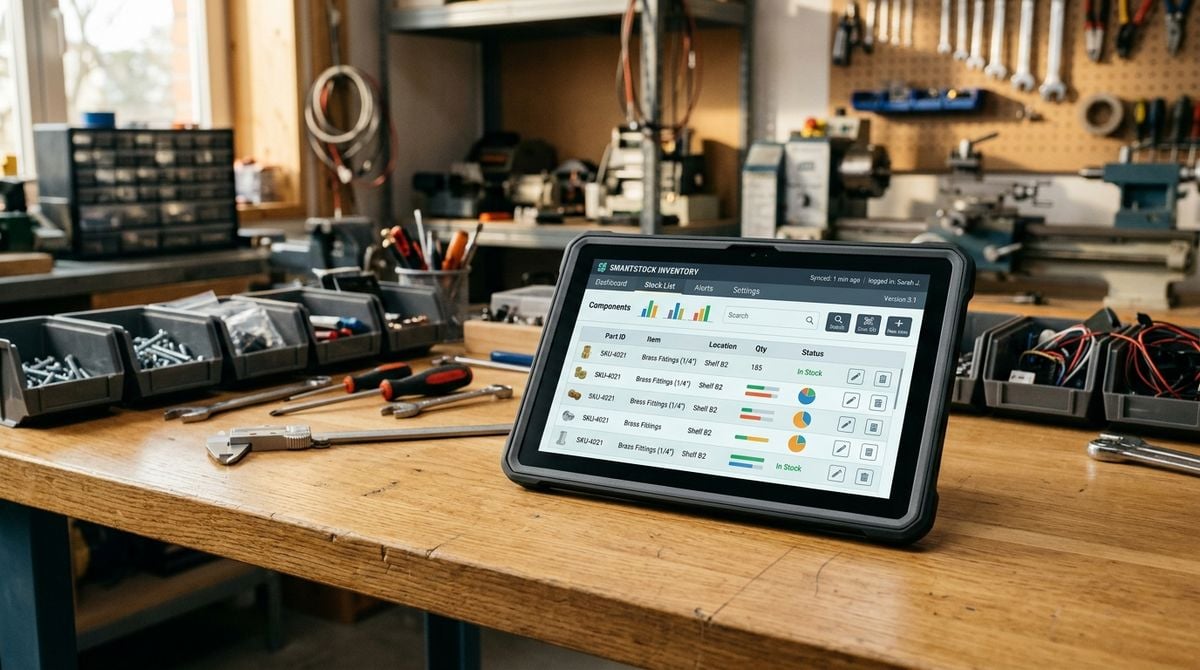
Adopting a proactive inventory habit further stabilizes property cash flow. Storing standard consumables, paint supplies, and basic plumbing parts in an organized storage area eliminates the need for emergency retail trips during routine maintenance calls. When an unexpected repair arises, having quality replacement components ready for immediate installation minimizes tenant disruption, protects the surrounding structure from escalating damage, and keeps maintenance schedules operating smoothly. Furthermore, buying common parts in advance shields property owners from sudden localized inventory shortages and seasonal distributor backlogs.
Expanding Your Horizons Through Purposeful Education
Maintaining physical structures is only one part of successful real estate management. Property owners also require mental frameworks that extend well beyond standard property management guides and regional municipal codes. Navigating changing tenant demographics, evolving work arrangements, and broader macroeconomic shifts demands an active commitment to learning ideas from adjacent fields such as psychology, community design, and modern communication.
Relying exclusively on conventional landlord handbooks can lead to rigid operational thinking. Investors who depend solely on traditional techniques often overlook creative ways to improve customer satisfaction, enhance energy efficiency, or create a welcoming atmosphere within their communities. Exploring informative resources and thoughtful knowledge hubs such as Meundies exposes property owners to wide-ranging perspectives, inspiring ideas, and discussions that promote thoughtful leadership across both business and personal endeavors.
A broader conceptual foundation sharpens practical problem-solving skills when complex situations emerge. Whether addressing community disagreements, redesigning shared common areas, or reevaluating lease structures, an owner who engages with diverse subjects can draw upon innovative solutions from other industries. By looking at operational challenges through an inquisitive lens, owners often discover efficient alternatives that traditional management frameworks overlook. This intellectual cross-pollination builds genuine resilience, enabling investors to anticipate shifts in tenant expectations rather than reacting after vacancies occur.
Developing a System for Procurement and Inventory
Translating cost awareness and continuing education into sustainable results requires clear administrative systems. Without an established purchasing structure, property managers frequently duplicate orders, store incompatible replacement parts, or overlook advantageous seasonal discount periods. A well-defined purchasing system ensures that every expenditure directly supports asset preservation and matches the financial objectives of the property.
An effective supply routine combines consistent record keeping with deliberate planning habits. Setting up a few practical operational practices can bring clarity to everyday property management:
- Audit recurring maintenance needs to anticipate bulk orders before peak turnover seasons.
- Maintain a centralized record of trusted vendors, warranty details, and reliable equipment models.
- Reserve dedicated calendar time each month for exploring emerging operational strategies and industry literature.
- Review purchase histories periodically to identify recurring expenses that could be streamlined through better sourcing.
Once these practical steps become second nature, operating expenses become far easier to forecast and control. Property managers spend less energy managing routine emergencies and more energy optimizing property conditions, enhancing tenant retention, and strengthening overall asset performance.
Connecting Operational Realities to Broader Analysis
Practical experience in maintenance and product sourcing provides crucial perspective when analyzing future real estate acquisitions. An investor who understands the true lifecycle costs of water heaters, roofing materials, and flooring finishes approaches prospective deals with far greater accuracy than an analyst who relies solely on theoretical financial projections. Ground-level procurement lessons translate directly into sharper underwriting.
Firsthand familiarity with physical materials helps an investor identify deferred maintenance during initial walkthroughs. Spotting cheap replacement hardware or poorly maintained structural elements allows a buyer to anticipate necessary capital improvements well before submitting an offer. Recognizing early signs of physical wear also provides leverage during purchase negotiations, allowing buyers to structure realistic terms based on concrete repair requirements. This practical awareness ensures that future cash flow calculations account for genuine physical needs rather than optimistic guesses.
Harmonizing practical field knowledge with structured market analysis creates a distinct advantage in property investing. For investors seeking to build comprehensive evaluation routines that connect property-level operational insights with neighborhood trends and macroeconomic indicators, our guide on organizing independent real estate research provides valuable methods for assembling, verifying, and applying essential investment data.
Cultivating Long-Term Resilience in Your Portfolio
Sustained success in real estate investing is rarely the outcome of a single dramatic transaction. Instead, long-term portfolio resilience is built upon hundreds of quiet, deliberate choices regarding how capital is allocated and how knowledge is cultivated. By treating everyday purchasing as an intentional business discipline, property owners protect their financial reserves and provide well-maintained homes that attract responsible tenants.
At the same time, maintaining an active curiosity about new ideas and diverse concepts keeps an investor nimble in an evolving market. Combining careful expense management with continuous learning creates an enduring foundation for real estate stewardship. When thoughtful sourcing habits and broader intellectual exploration work together, investors build resilient portfolios capable of thriving through diverse economic cycles.