

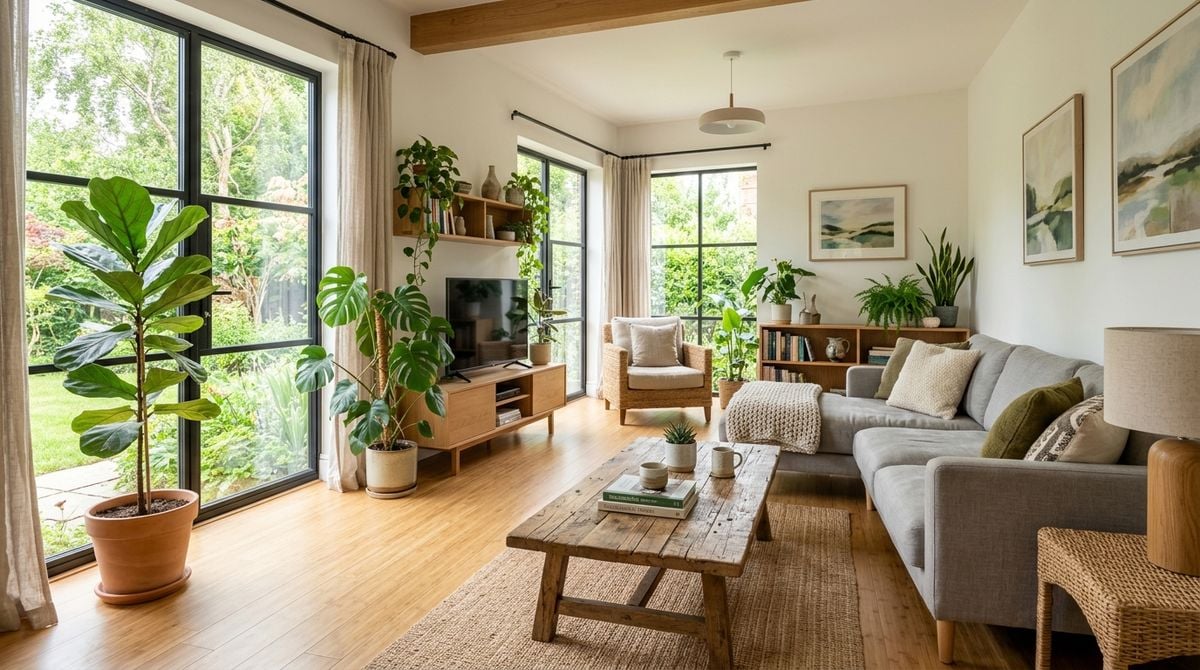
Many real estate decisions begin with balance sheets, neighborhood appreciation charts, and rental yield projections. While these financial fundamentals remain essential, they rarely tell the whole story. A property is more than a line item on an asset summary; it represents a physical environment that shapes your daily habits, your access to culture, and your overall sense of well-being. When individuals overlook how a physical space interacts with their broader lifestyle goals, they often find themselves managing properties that satisfy numerical criteria while failing to support the kind of life they genuinely wish to lead.
Integrating lifestyle aspirations into property acquisitions requires a shift in perspective. Instead of treating lifestyle benefits as an afterthought or an accidental bonus, thoughtful buyers treat everyday living quality as a primary filter. Whether you are looking for a primary residence, a seasonal home, or an income property designed to attract tenants with shared values, grounding your search in personal well-being creates long-term satisfaction. By examining international living standards, community rhythms, and personal routines, you can select spaces that support both practical stability and personal fulfillment.
Defining Personal Lifestyle Priorities Before Searching
Before browsing neighborhood listings or touring properties, take the time to clarify what kind of day-to-day rhythm you want to cultivate. Many buyers rush into the market with vague notions of prestige or convenience, only to realize later that a quiet suburban enclave feels isolating, or that a vibrant urban corridor produces too much friction for their desired routine. Establishing clarity around your core needs helps eliminate locations that do not align with your true priorities.
Reflecting on your routine involves separating external expectations from your personal desires. Some people thrive when they can walk to local markets, visit neighborhood cafes, and engage with creative public spaces, while others place the highest value on privacy, expansive outdoor access, and silence. Reading thoughtful reflections on personal focus and everyday purpose from sources like Matthew Bourne can help you step back, generalize what truly matters to you, and build a cohesive vision for how your surroundings ought to function. When your criteria reflect genuine personal preferences rather than passing trends, your search becomes far more efficient.
Once your personal preferences are clear, translate them into non-negotiable physical requirements. This does not mean creating an impossible wishlist of luxury features. Rather, it means identifying the baseline attributes that directly affect your energy and focus. Consider the amount of natural daylight inside the building, the proximity of walking paths, the ease of preparing meals at home, and the acoustic buffer between private living areas and street traffic. When these fundamental components are in place, a home naturally supports health, productivity, and peace of mind.
Tracking International Patterns and Community Culture
Lifestyle expectations do not develop in a vacuum. Around the world, modern communities are redefining what it means to live well, blending functional housing with walkable neighborhoods, shared green spaces, and rich cultural offerings. Buyers who observe how other regions cultivate quality of life can apply those insights to their own local property evaluations. A neighborhood that prioritizes pedestrian connectivity, local dining, and civic art often maintains a level of vitality that purely commuter-driven developments struggle to achieve.
Keeping pace with changing international lifestyles allows you to recognize promising community attributes before they become standard talking points. When exploring how people worldwide approach leisure, dining, and comfortable living, reading broader cultural coverage through iamthomasjullien.com offers useful context on modern living standards and global lifestyle ideas. Understanding how international communities prioritize daily ease and cultural engagement gives you a clearer standard for judging domestic neighborhoods and emerging residential districts.
Evaluating community culture also means paying close attention to local gathering spots. A neighborhood that fosters meaningful interaction typically features active civic parks, independent bookstores, artisan markets, and social cafes. These third places provide informal venues for recreation and conversation, turning a collection of houses into an actual neighborhood. When you invest in a location with strong communal infrastructure, you are not merely securing square footage; you are anchoring yourself to a vibrant social ecosystem that enriches everyday life.
Practical Steps for Evaluating a Potential Location
Assessing a neighborhood through a lifestyle lens requires direct observation at multiple times of day. A street that appears serene on a quiet Sunday afternoon may transform into a bustling thoroughfare on weekday mornings. Taking a methodical approach to on-the-ground observation ensures that the reality of the area aligns with your expectations.
A structured observation routine helps reveal the genuine character of an area before you commit your capital. Spend time walking the streets rather than viewing them from a car window. Engage with shop owners, observe public transit usage, and pay attention to how neighbors interact with shared spaces.
- Visit the street during the morning commute to evaluate noise levels, foot traffic, and vehicle congestion.
- Test walking routes to essential destinations such as grocery stores, transit stops, and public parks.
- Observe public areas during evening hours to gauge lighting, pedestrian comfort, and social activity.
- Check the reliability and ease of local public transportation options connecting to nearby commercial hubs.
Gathering structured information about physical buildings and maintenance requirements is just as critical as examining the surrounding blocks. Understanding basic building operations, vendor sourcing, and structural upkeep protects your living environment from chronic maintenance issues. Investing time in practical education for property owners ensures that you possess the technical knowledge needed to evaluate building health and manage physical improvements effectively. Combining neighborhood observation with operational know-how creates a well-rounded foundation for any purchase.
Balancing Personal Enjoyment with Long-Term Utility
While designing a property around your immediate lifestyle is deeply rewarding, maintaining long-term utility requires a degree of spatial flexibility. Lifestyles change over time. Career requirements evolve, families expand or contract, and daily routines shift. A property that accommodates these transitions without requiring extensive structural renovation will serve your lifestyle far longer than one tailored to an overly rigid concept.
Look for floor plans that offer versatile rooms capable of serving multiple functions. A room that serves as a dedicated home office today might need to function as a creative studio, a nursery, or a guest room in the future. Flexible spaces with ample natural light, thoughtful electrical layouts, and decent storage allow you to adapt your home to new interests without the stress of moving.
Avoid over-customizing physical structures with niche modifications that prove difficult to repurpose. While personal touches in furnishings, art, and decor make a house feel unique, permanent architectural features should emphasize timeless utility. Simple, well-proportioned rooms with durable materials and efficient layouts preserve the property’s broad appeal while providing a blank canvas for your evolving personal tastes.
Building a Sustainable Routine Around Your Holdings
Even the most thoughtfully chosen property can become a source of frustration if its ongoing management creates persistent friction. Achieving true lifestyle alignment means designing an operating routine that minimizes administrative stress. If maintaining a property demands constant personal oversight, it quickly detracts from the lifestyle benefits you sought to enjoy in the first place.
Establishing reliable local support systems is essential for peace of mind. Identify dependable tradespeople, reputable cleaning services, and qualified maintenance professionals before unexpected issues arise. Having trusted contacts in place allows you to address repairs quickly, keeping the property running smoothly and preserving the tranquil atmosphere of your living environment.
Ultimately, aligning real estate choices with lifestyle goals is an ongoing practice of intentional decision-making. By defining your personal values, learning from global living trends, and maintaining practical operational discipline, you create living environments that truly enhance your daily life. A well-chosen home provides more than financial stability; it serves as a reliable sanctuary that supports your aspirations, fosters meaningful connections, and enriches your journey over time.