

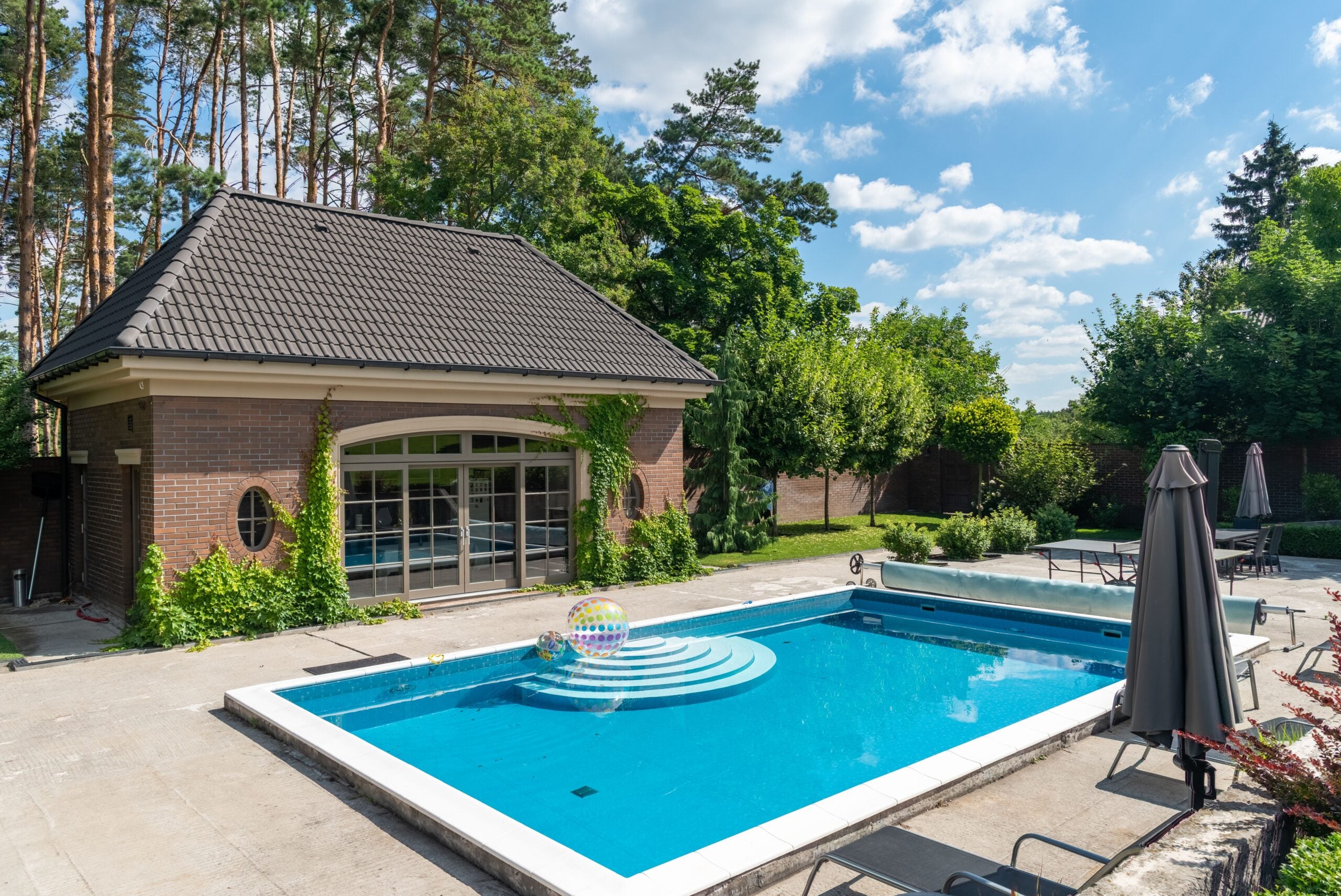
Owning an at-home pool can provide years of enjoyment, relaxation, and entertainment for you and your family, but it also comes with the responsibility of keeping that pool functioning properly. Pumps, filters, heaters, chlorinators, and skimmers all work together to maintain water quality and circulation. When equipment is neglected, pool owners often face cloudy water, rising utility bills, and expensive repairs that could have been avoided with routine care. A consistent pool maintenance routine helps extend the life of the equipment while ensuring the pool remains clean and safe throughout the swimming season.
Pool maintenance starts with understanding how the equipment system operates as a whole. The pool pump is the heart of the circulation system, moving water through the filter and back into the pool. Owners should regularly inspect the pump for leaks, unusual sounds, or reduced water flow. Keeping the pump basket clean is one of the simplest but most important maintenance tasks because debris buildup can strain the motor and reduce efficiency. Emptying the basket weekly during heavy use seasons can help prevent unnecessary wear on the system (and unnecessary calls to a maintenance company).
The pool filter also requires consistent attention to perform properly. Whether the pool uses a sand, cartridge, or diatomaceous earth filter, cleaning schedules should be followed according to manufacturer recommendations. Dirty filters reduce circulation and make it harder to maintain balanced water chemistry. Pool owners should monitor filter pressure gauges regularly as well because rising pressure is often the first indication that cleaning is needed. Maintaining a clean filter system can improve performance and reduce stress on the overall pool system.
Water chemistry plays a major role in protecting pool equipment from corrosion and buildup. Improper pH, calcium hardness, or chlorine levels can damage heaters, pumps, and plumbing over time. Commercial pools check these levels several times per day. At-home pool owners should test water several times per week, at a minimum during the summer, and adjust chemicals as needed. Balanced water helps prevent scale accumulation inside heaters and pipes while reducing the likelihood of algae growth that can clog equipment. Consistency is more effective than waiting until water problems become severe.
If you have a pool heater, it should also be inspected routinely, especially before peak swimming months. Leaves, dirt, and insects can collect around heater components and restrict airflow. Gas heaters may require professional inspections to ensure burners and ignition systems are operating safely, while electric heat pumps benefit from keeping coils clean and unobstructed. Allowing debris to accumulate around a heater can reduce efficiency and increase operating costs over time.
Skimmers, return jets, and pool plumbing should never be overlooked during maintenance. Skimmer baskets should be emptied frequently to maintain strong circulation, and return jets should remain unobstructed for even water movement throughout the pool. Pool owners should also visually inspect plumbing connections and valves for signs of dripping water or cracked fittings. Catching small leaks early can prevent major equipment damage and reduce water loss.
Pool maintenance isn’t just a summertime chore. Seasonal maintenance is equally important for long-term equipment performance. In colder climates, pools must be winterized correctly to prevent freeze damage to pumps, filters, and pipes. That way, with consistent maintenance, your at-home pool will always be ready to be used.
 Headlines Team