

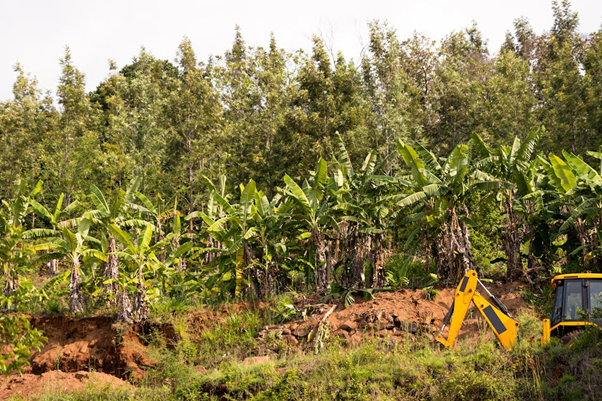
Deforestation and land clearing no doubt impact the environment. Tree removal results in biodiversity issues, soil erosion, and ecological imbalance. But, green practices can save the environment from these problems. For this reason, most experts apply selective clearing techniques that ensure environmental friendliness.
These thoughtful approaches also show your commitment to maintaining the natural environment. They also preserve the ecosystem’s health for several years. Thus, let us discuss the significant value of clearing a lot sustainably.
How Does a Responsible Lot Clearing Practice Benefit the Environment?
Responsible land clearing involves removing trees and bushes without harming the environment. Traditionally, land was cleared without focusing on potential consequences. It leads to the destruction of animal habitats and soil problems. But, thoughtful land clearing will benefit you in several ways.
Healthier Plants and Soil
Environmentally friendly lot-clearing methods do not affect plant life and soil health. The experts do not use heavy machinery and harmful substances to keep the soil’s nutritional value intact. Their selective cutting and mulching techniques leave organic matter behind. So, it makes the soil more fertile for plant growth.
Besides, plants grown in eco-cleared lots are more resilient and disease-resistant. Moreover, environmentally friendly methods ensure that beneficial bugs and microorganisms in the soil remain intact. These microorganisms improve soil aeration while restoring nitrogen content.
Preserve the Existing Wildlife
Responsible land-clearing techniques do not disturb local wildlife’s habitats. Thus, when clearing land, the nearby animals will be safe.
Traditional clearing involves using chemicals, which are damaging to wildlife. However, greener approaches, such as manual clearing and selective cutting, will reduce environmental impact.
These methods will also maintain the biodiversity because birds and other creatures rely on particular plants for shelter and food. Reliable land clearing in Sunshine Coast ensures no interference with their lifecycles. Future generations will also find rich biodiversity in the area.
Prevent Environmental Impact
Another advantage of responsible land-clearing practices is minimal soil erosion. Traditional techniques affect topsoil, resulting in sedimentation in local water bodies. On the contrary, professionals who provide sustainable solutions use manual tools to protect the soil structure. They prevent problems like water pollution and soil erosion to protect the ecosystem. Many experts use electric machinery to maintain efficiency without increasing carbon footprints.
Some Responsible Ways to Clear a Land
The safest lot clearing techniques are:
Forest mulching – It suppresses weed growth and retains soil moisture. So, beneficial microorganisms will have a perfect environment to thrive.
Underbrush clearing – This is a thoughtful approach for reducing wildfire risk in an area. Underbrush removal also facilitates air circulation and promotes tree growth.
Summary
Responsible land clearing practices play a vital role in protecting the environment while still allowing land to be used effectively for development. When land is cleared thoughtfully, it helps preserve soil quality, prevent erosion, and protect natural water systems from pollution. These sustainable methods also ensure that native plants, beneficial microorganisms, and wildlife habitats remain largely undisturbed, which supports long-term ecological balance.
Moreover, eco-friendly land clearing reduces carbon emissions by limiting heavy machinery use and encouraging techniques like mulching and selective cutting. As a result, the land becomes more fertile, resilient, and suitable for future growth without causing environmental harm. By choosing responsible clearing methods and working with environmentally conscious professionals, landowners can contribute to biodiversity conservation, water retention, and climate protection. In the long run, sustainable land clearing is not just an option—it is a necessity for maintaining a healthy and balanced ecosystem.
 Daniel
  Headlines Team