

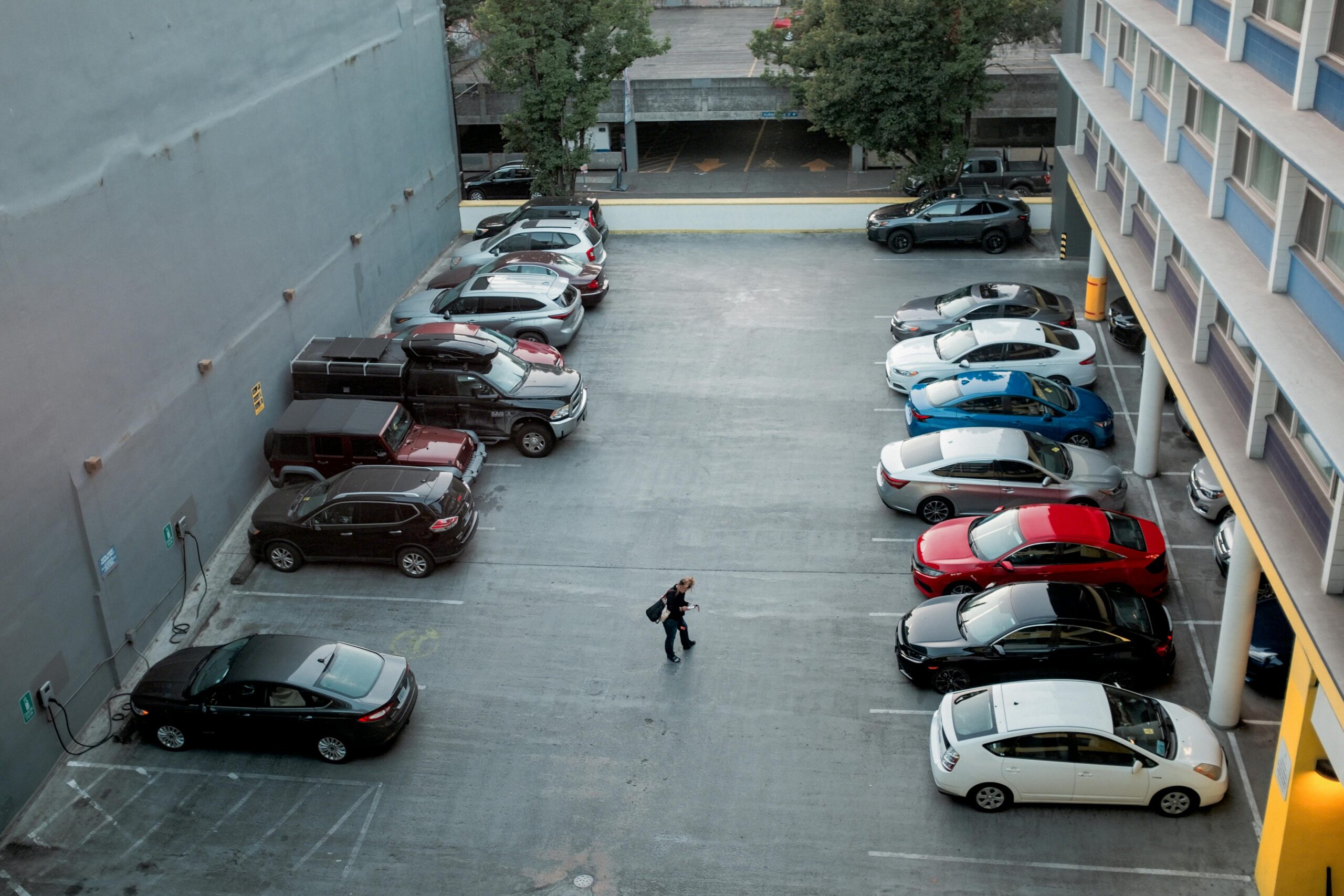
As families grow, the number of vehicles parked outside inevitably multiplies. What starts as a spacious two-car suburban setup quickly turns into a daily game of automotive Tetris. When a teenager finally gets their driver’s license or an adult child moves back home, finding a spot for everyone’s ride becomes a genuine challenge. You might be incredibly excited to pick up a new vehicle from the local car dealership, but pulling that new vehicle up to a full house quickly dampens the mood.
Instead of parking on the lawn or annoying your neighbors, multi-car families have to get creative. Solving the space crunch requires a mix of communication, home organization, and maybe a few landscaping tweaks. Let’s look at some practical ways to fit everyone’s car without turning your front yard into a chaotic parking lot.
Reclaiming the Garage Space
First, we need to talk about the garage. For most households, the garage is the first casualty of clutter. It easily transforms into a permanent storage unit for holiday decorations, outgrown toys, and random cardboard boxes. Reclaiming this space is the single most effective way to ease the parking bottleneck outside.
Spend a weekend clearing out the junk. If you haven’t used an item in over a year, sell it or toss it out. Move your essential tools and lawn equipment to high wall shelves or suspended ceiling racks. Getting bicycles, toolboxes, and lawnmowers off the floor frees up crucial square footage. When you’re able to park one or two vehicles indoors, your driveway instantly opens back up, giving everyone else room to breathe.
Mastering the Tandem Shuffle
When you’re forced to park one car directly behind another, known as tandem parking, morning routines can quickly fall apart. If the person parked closest to the garage needs to leave first, someone has to wake up early just to move the blocking vehicle.
The fix here is strict communication and a solid key-management system. Create a simple household rule: the last person to arrive home parks at the bottom of the driveway, but they must leave their keys in a designated bowl right by the front door. This way, if an early riser needs to get out, they can simply move the blocking car themselves without waking anyone else up. You can also create a quick family group chat dedicated solely to sharing morning departure times the night before. Planning the stacking order saves everyone a lot of stress and prevents rushed mornings.
Expanding the Driveway Footprint
If you simply don’t have enough concrete, you might need to look at minor landscaping modifications. Widening a driveway doesn’t always require hiring an outside crew to pour expensive new cement. You can create functional parking strips along the sides of your existing pavement using permeable materials.
Installing a strip of crushed gravel or decorative paving stones along the edge gives you an extra few feet of width, allowing two cars to park side-by-side instead of stacking them end-to-end. Another great option is installing grass grid pavers. These plastic or concrete grids sit flush with the ground, allowing real grass to grow through them while providing a stable, load-bearing surface for a car tire. It keeps your front yard looking green while secretly acting as a reinforced parking pad. Just be sure to check your local homeowner association rules before making any exterior modifications to your property.
Strategic Vehicle Sizing
Sometimes the issue isn’t just the sheer number of cars, but the physical size of them. When your driveway is tiny, bringing home a pickup truck or an extended-wheelbase SUV is going to cause logistical headaches.
If you’re shopping for an additional commuter car for a student or a spouse with a short drive to work, prioritize a compact footprint. Hatchbacks, smaller sedans, and compact crossovers take up significantly less real estate. You can comfortably fit three compact cars in the same space required by two full-size trucks. Matching the physical dimensions of the vehicles to the limitations of your property makes navigating the driveway a much smoother experience.
Maximizing Street Parking Safely
When the driveway is maxed out, street parking becomes the only remaining option. However, relying on the street requires a lot of courtesy to avoid frustrating the rest of the neighborhood.
- Mind the clear zones: Always park completely parallel to the curb, and never block a neighbor’s driveway or their mailbox. Delivery drivers and mail carriers need clear access to do their jobs properly.
- Check the local rules: Pay attention to street sweeping days and winter weather parking bans. Many towns don’t allow overnight street parking when snowplows need to clear the roads.
- Prioritize security: Cars parked on the street are more vulnerable to passing traffic and potential break-ins. Make sure the street-parked vehicle is locked, empty of valuables, and parked under a bright streetlamp if possible. If your street is dark, consider upgrading your home’s exterior lighting with a motion-sensor floodlight aimed toward the curb.
Building Better Daily Habits
Managing a crowded driveway ultimately comes down to building better daily routines. When everyone knows the plan and respects the shared space, the morning shuffle becomes a minor background detail rather than a daily argument. Whether you decide to clean out the garage, install a neat row of gravel pavers, or simply commit to a better key-swapping system, taking a proactive approach keeps your property looking tidy and your mornings running right on time.
 Headlines Team
  Daniel