

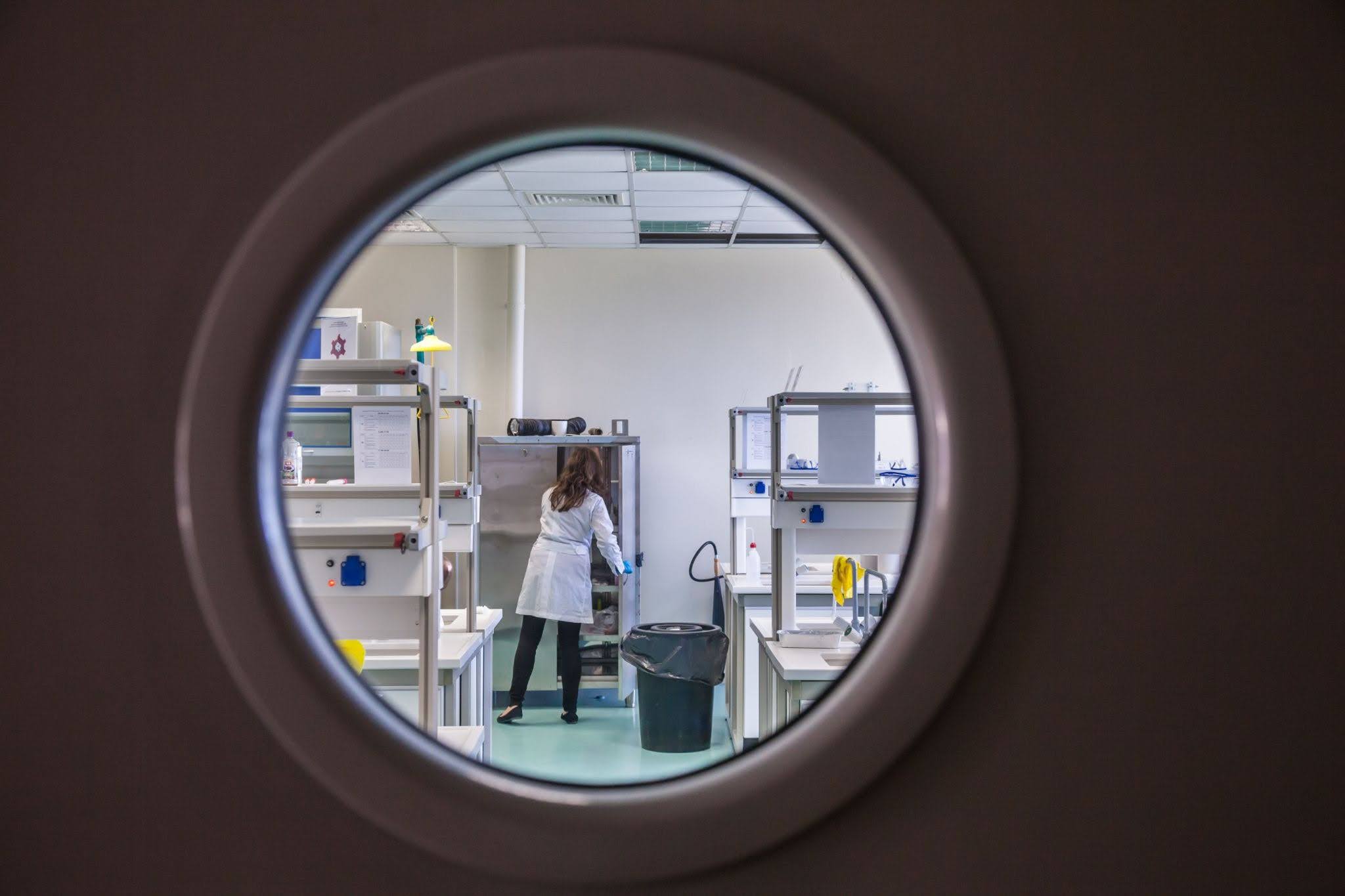
If you walk into any high-end early-phase clinical unit today, the environment looks like a triumph of human engineering. The air is perfectly scrubbed, the volunteers are closely monitored, and millions of dollars of medical technology hum in the background. Sponsors spend months obsessing over every variable in these spaces, refining their protocols to a razor-sharp edge.
But if you look at the real points of failure discussed across the clinical operations sector this week, the most dangerous vulnerabilities are completely invisible on a protocol blueprint. A study doesn’t usually collapse because the science was wrong or the clinical environment was dirty. It stalls because we consistently ignore the messy, chaotic human handoffs that happen the exact moment a biological sample leaves the patient’s side.
We have designed pristine cleanrooms, but we have failed to build a pristine logistical pipeline.
The Invisible Chasm
The standard outsourcing model used by much of the biotech industry is fundamentally built on fragmentation. A sponsor selects a premier clinical site to run the human trial. Then, they contract a completely separate bioanalytical laboratory located in a different city or state to handle the complex sample testing.
On paper, this looks like a smart distribution of specialized talent. On the clinic floor, it creates a massive operational chasm.
Consider a standard first-in-human trial where investigators are tracking a highly unstable new compound. The biological samples drawn from the volunteers are incredibly time-sensitive. The moment that needle leaves the arm, the clock starts ticking. In a fragmented setup, those delicate samples must be immediately stabilized, packed into dry ice boxes, logged into external tracking software, and handed off to a commercial courier service.
From that second onward, the sponsor has completely surrendered the momentum of their trial to external logistics. A missed flight connection, a shipping label degraded by condensation, or a customs delay doesn’t just result in a late package. It means the sample degrades, the data point is permanently lost, and the safety review committee cannot authorize the next dose level. The entire clinical facility grinds to a halt while the occupied beds continue to burn through the sponsor’s budget.
True operational speed isn’t about how fast a courier can drive. It is about removing the need for a courier in the first place.
The Power of Zero Distance
When you collapse the geographic distance between the patient and the analytical instrument, the entire risk profile of an early-phase trial changes. Imagine an architecture where the bioanalytical laboratory is not a distant corporate entity, but a secure facility located just down the hall from the volunteer beds.
This immediate physical integration completely changes how safety decisions are made. Instead of waiting days for an external report to trickle back through an administrative portal, clinical investigators can physically sit down with laboratory scientists to review emerging pharmacokinetic data hours after a dose is administered.
This structural unity is the exact philosophy that leaders like Dinkar Sindhu have integrated into the core of AXIS Clinicals. Maintaining an expansive 200+ bed clinical footprint directly alongside an in-house bioanalytical ecosystem is a deliberate effort to erase the traditional operational boundaries that derail a timeline. When the team analyzing the samples shares the same roof, the same culture, and the same quality management systems as the team caring for the patients, the communication gaps that naturally form between separate vendors simply cease to exist.
Erasing the Data Friction
This need for absolute physical and operational integration is just as critical when it comes to the digital record. In a traditional, fragmented research model, moving data from a nurse’s clipboard at the bedside to a separate laboratory database, and finally into a regulatory submission document, introduces endless opportunities for human error. Transcription mistakes, mismatched timestamps, and manual double-entry create a noisy data trail that invites heavy regulatory scrutiny.
True compliance cannot be achieved through a chaotic scramble to clean data months after a study has wrapped up. It must be built directly into the daily habit of the clinic floor. By employing fully integrated eSource and electronic data capture platforms, an organization ensures that every vital sign, dosing window, and laboratory readout is captured cleanly at the exact second of inception.
Because the internal data architecture is unified under one roof, the path from the volunteer’s bed to the final Clinical Study Report is completely seamless. The data remains clean, traceable, and submission-ready from day one, ensuring that the precision achieved in the clinic floor easily survives the scrutiny of a global regulatory audit.
Ultimately, navigating the high-stakes pressure of modern drug development isn’t about finding a magic technological shortcut. It is about recognizing that every single piece of the scientific process is connected by a human thread. By centralizing our physical infrastructure, removing vendor friction, and keeping the focus on the actual space where discovery happens, we can turn the unpredictable journey of early-phase research into a reliable, high-precision path forward.