

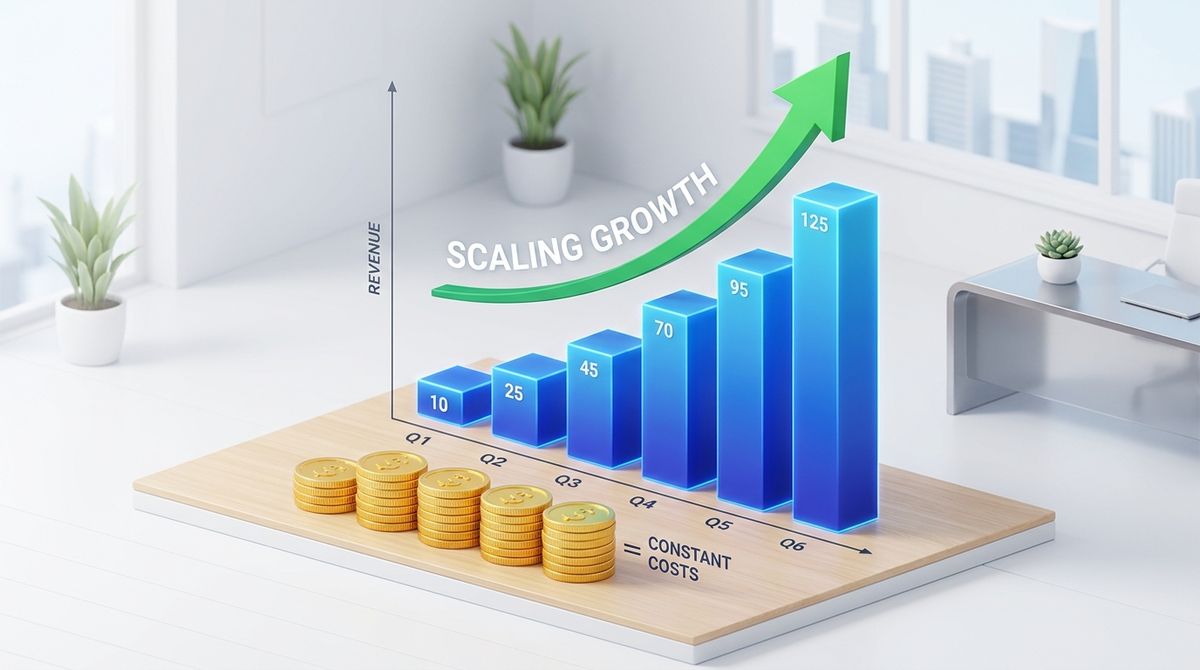
Real estate investment offers a path toward portfolio expansion and long-term financial objectives. However, the process of scaling an operation often brings challenges that go beyond simple financial management. As investors take on more properties, the complexity of oversight, property management, and strategic planning can easily lead to diminishing returns if personal energy and attention are not managed effectively. The pursuit of growth should ideally occur in tandem with the maintenance of the personal capacity needed to make sound, high-stakes decisions.
Many investors focus heavily on asset acquisition and market trends, while overlooking the importance of their own endurance. This oversight can create a misalignment where the portfolio grows faster than the owner’s capacity to manage it without significant fatigue. Addressing this requires a deliberate approach to how daily operations are handled and how personal resources are conserved. By viewing personal health and focus as integral components of investment infrastructure, investors can create a more sustainable trajectory for their portfolios.
The Hidden Challenges of Portfolio Expansion
When you transition from managing a small number of properties to overseeing a larger, more complex portfolio, the nature of your work shifts. You move from being directly involved in day-to-day fixes to needing high-level oversight and strategic decision-making. This shift often introduces a subtle but persistent fatigue that can cloud judgment. If you are constantly reacting to the immediate demands of property maintenance or tenant issues, you are not truly scaling; you are simply increasing the volume of your daily manual labor.
This reactive state creates a barrier to effective portfolio management. The mental energy required to analyze new market opportunities, evaluate financing options, and assess risk is considerable. When your cognitive resources are depleted by constant operational firefighting, the quality of your decision-making inevitably declines. This is why managing the personal environment and mental load is as important as the financial metrics of the properties themselves.
Recognizing the signs of this fatigue before it impacts your investment choices is crucial. Often, it begins as a gradual decrease in the attention paid to detail during property reviews or a tendency to favor impulsive decisions over well-researched strategies. By acknowledging that scaling brings a new set of cognitive demands, you can begin to restructure your approach to prioritize clarity and sustained focus.
Establishing Foundational Habits
To sustain growth, you must treat your personal stamina with the same level of discipline that you apply to your investment analysis. This means creating a physical and mental foundation that can support the increased pressure of a larger portfolio. Investors often find that their ability to remain consistent and focused depends heavily on how they manage their basic physical requirements. When the schedule becomes demanding, maintaining consistent nutrition and recovery becomes difficult.
Investors often seek tools to optimize their daily recovery, and Get Wellness Deal can offer insights into the types of supplements that support long-term physical consistency for those with demanding schedules. Integrating these considerations into your life is not merely a lifestyle choice; it is an operational necessity. If your physical energy is inconsistent, your ability to conduct thorough property analysis will be compromised, leading to potential oversights in your acquisition process.
This foundational approach requires consistency rather than intensity. It is better to have a modest, sustainable routine that you follow reliably than to attempt drastic changes that cannot be maintained during busy periods. When you stabilize your physical baseline, you create a buffer that allows you to handle the inevitable stress of property management without experiencing significant burnout.
Designing a Daily Routine for Analysis
A daily routine tailored for real estate investment must protect your time for deep, analytical thinking. If you allow your day to be fragmented by constant interruptions, you lose the ability to perform the deep work required for evaluating new opportunities or optimizing existing holdings. Structuring your day to include dedicated time for high-level strategy, while delegating or streamlining the operational aspects of your properties, is essential for scale.
To maintain the mental bandwidth required for property analysis, it is essential to prioritize quality information and habits, which you can find discussed at wnyhealthshow.com as part of your broader strategy for maintaining personal health during challenging periods. By incorporating focused time for personal well-being and learning, you ensure that you remain sharp and capable of processing complex information.
This routine should be adaptable, as real estate investment is inherently unpredictable. You might need to adjust your focus based on current market shifts or urgent property issues, but the commitment to maintaining your own cognitive and physical state should remain the constant anchor. Your goal is to build a rhythm that allows you to remain calm and decisive, regardless of the challenges presented by your portfolio.
Balancing Growth with Personal Stability
Sustainable growth is rarely a linear progression. There are periods of rapid expansion followed by necessary phases of consolidation and optimization. Understanding the difference between these phases is critical for maintaining your personal stability. Trying to maintain a high-growth pace without periods of consolidation often leads to exhaustion, where the investor loses the ability to distinguish between high-potential opportunities and problematic investments.
As you look to expand your operations, it is wise to revisit the concepts in our earlier discussion on building longevity in your real estate career path to ensure your expansion strategy aligns with your personal endurance limits. This perspective allows you to make decisions that prioritize the long-term viability of your portfolio over short-term gains that might jeopardize your health or focus. Consider the following practices for maintaining balance:
- Dedicate specific periods for portfolio review that are free from daily operational tasks.
- Establish clear boundaries for when you are reachable for property-related issues.
- Prioritize regular movement to counteract the sedentary nature of desk-based financial analysis.
- Seek out environments that support deep focus and mental clarity for complex decision-making.
These practices help to create a separation between the demands of your portfolio and your personal capacity to manage those demands. By intentionally creating this distance, you protect yourself from becoming consumed by your work, ensuring that you maintain the objectivity required for successful investing.
Protecting Mental Clarity for Long-Term Success
The ultimate goal of scaling your portfolio is to secure long-term success, and that success is directly tied to your mental clarity. As an investor, your primary tool is your judgment. If that tool is dulled by constant stress or physical fatigue, your portfolio will suffer, regardless of how promising the underlying assets might be. Protecting your clarity requires constant vigilance and a willingness to step back and re-evaluate your habits.
This is a continuous process of self-correction. You will occasionally find yourself drifting back into reactive patterns or ignoring your own needs during high-pressure periods. The key is to notice these shifts quickly and implement corrections to restore your balance. Over time, these corrections become more instinctive, allowing you to navigate the complexities of real estate investment with greater resilience and composure.
Staying committed to this path of balanced growth requires a long-term mindset. It means choosing sustainable progress over rapid, volatile expansion. When you prioritize the health of your investment focus as much as the growth of your portfolio, you build a sustainable career that can thrive through various market cycles and operational demands.