

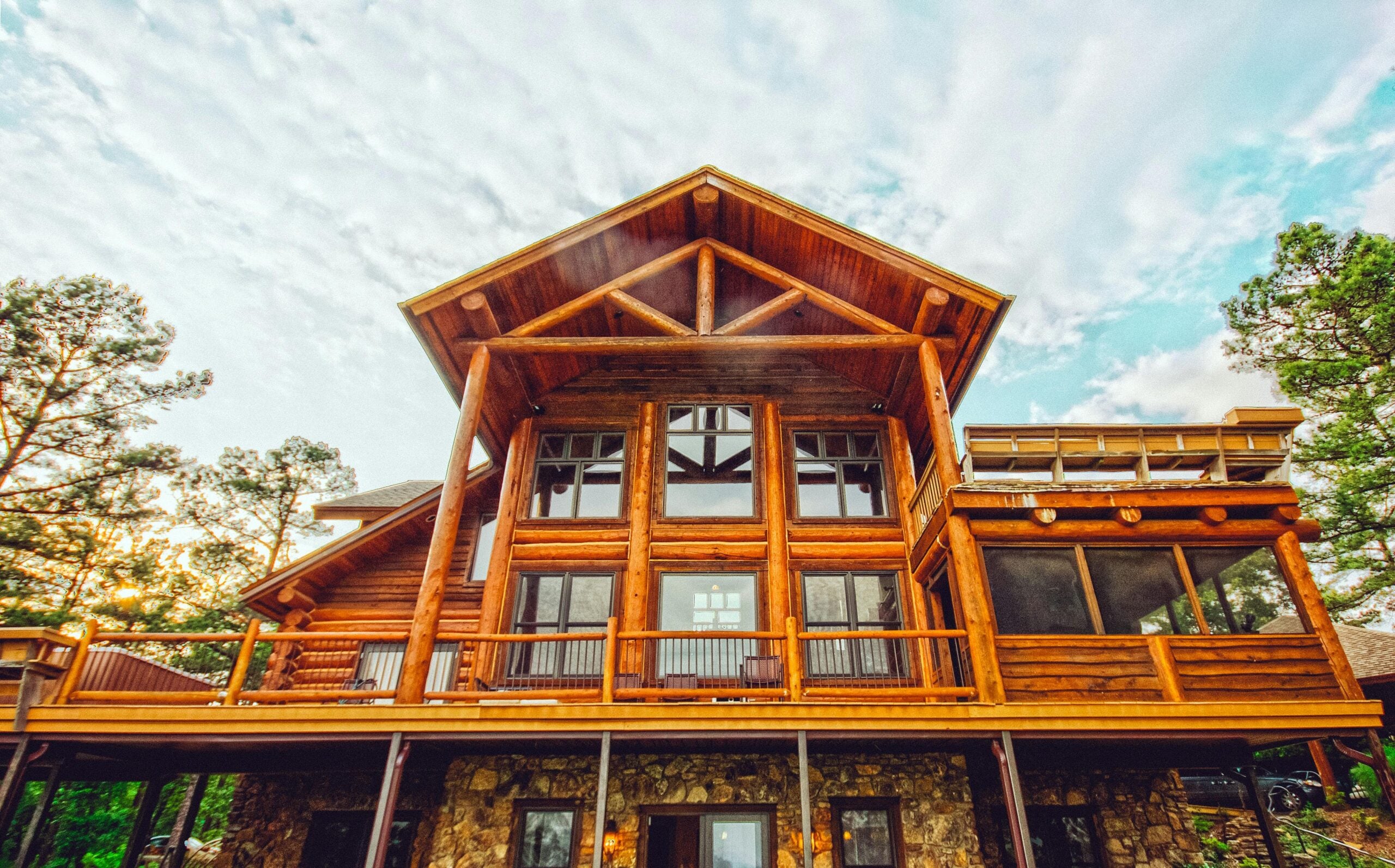
Remodeling a log cabin is a delicate balancing act. You want the modern comforts of a brand-new home, but you bought the property specifically for its cozy, woodland appeal. Slapping bright white drywall over historic timber or installing sleek, ultra-modern cabinets usually ruins the exact aesthetic you fell in love with in the first place. The goal is to update the functionality of the space while honoring the original architecture.
A successful remodel starts with protecting the core of the structure. By utilizing high-quality log cabin restoration products, you can breathe new life into tired wood before you even think about knocking down walls or upgrading the appliances. Once the foundation of your home looks fresh and healthy, you can start making strategic interior updates. Here’s a practical guide to bringing your cabin into the modern era while keeping its rustic soul completely intact.
Let the Wood Be the Star of the Show
The biggest mistake homeowners make when trying to brighten a dark cabin is painting the interior logs white. Once you paint over natural wood, it’s incredibly difficult and expensive to undo. Instead of reaching for a paintbrush, focus on restoring the wood to its original glory. Years of dust, smoke from the fireplace, and sunlight exposure can make logs look dingy and dark.
A thorough cleaning and a fresh coat of transparent or semi-transparent interior stain will brighten the room naturally while letting the beautiful wood grain shine through. If you also need to replace the chinking—the flexible sealant between the logs—choose a color that closely matches or subtly contrasts with the wood. If you feel you must add drywall to break up the all-wood look, do it strategically on interior partition walls, leaving the exterior log walls fully exposed to maintain the cabin vibe.
Brighten the Space With Strategic Lighting
Log homes naturally absorb a lot of light, making them feel a bit cave-like if they aren’t properly illuminated. You definitely need to upgrade the lighting during a remodel, but installing dozens of recessed LED cans across a beautiful tongue-and-groove ceiling looks terribly out of place.
To fix this, mix your ambient and task lighting using rustic materials. Opt for fixtures made from wrought iron, seeded glass, or brushed copper. Track lighting is a fantastic modern solution because the tracks can be hidden discreetly along structural wooden beams, allowing you to highlight the ceiling and artwork without creating an eyesore. Adding larger windows or installing skylights is another great way to bring in natural sunlight, making the space feel open and airy without changing the structural finishes.
Blend Old and New in the Kitchen
The kitchen is usually where you want modern convenience the most. You need soft-close drawers, a reliable dishwasher, and plenty of prep space, but you don’t want the room to look like a glossy downtown apartment. The trick is blending organic textures with those modern appliances.
- Earthy Countertops: Swap out outdated laminate for natural stone. Honed granite, soapstone, or slate provide a durable workspace without the overly reflective, shiny finish of polished marble.
- Farmhouse Sinks: A deep copper or fireclay apron-front sink fits the cabin aesthetic perfectly while offering plenty of modern functionality for washing large pots and pans.
- Custom Cabinetry: If your current cabinets are structurally sound, consider refacing them with reclaimed wood. Alternatively, painting them in muted, earthy tones like forest green, deep navy, or warm taupe contrasts beautifully with the warm log walls.
- Hidden Appliances: Stainless steel refrigerators and dishwashers sometimes look too industrial for a cabin. Consider buying panel-ready appliances, which allow you to attach custom wood panels to the front, blending them seamlessly into your cabinetry.
Choose Flooring That Fits the Setting
When it comes time to rip up that old, stained carpeting, carefully consider what you put down in its place. Perfectly uniform, shiny laminate flooring instantly clashes with the rugged nature of the log walls. You need materials that look like they belong in the woods.
Wide-plank hardwood is always a classic choice. Look for hand-scraped or distressed finishes that naturally hide scratches and add immediate character to the room. Natural stone tiles, like slate or tumbled travertine, are excellent options for entryways, mudrooms, and bathrooms. They handle wet boots perfectly, and if you install radiant heating underneath them, you’ll keep your toes warm on those chilly winter mornings.
Swap Out the Hardware and Fixtures
Sometimes, the smallest details make the biggest impact during a remodel. You don’t always have to do a gut demolition to completely change the feel of a room. Updating the hardware throughout the cabin is a highly effective, budget-friendly way to modernize the space.
Get rid of any cheap, shiny brass or polished chrome doorknobs, door hinges, and cabinet pulls. Replace them with oil-rubbed bronze, matte black, or hand-forged iron pieces. These darker, textured finishes complement the natural wood grain and look authentically rustic. Carry this theme through to your plumbing fixtures, showerheads, and even your light switch plates for a cohesive, intentional design.
Honoring the Cabin’s History
Upgrading your home doesn’t mean erasing its history. By taking a thoughtful approach to your materials and respecting the original architecture, you can create a space that feels both comfortably modern and wonderfully rustic. Focus on enhancing the natural wood, upgrading the fixtures with organic finishes, and bringing in plenty of natural light. Taking your time with these design choices ensures your resulting remodel is a beautiful, highly functional retreat that retains all the cozy charm you fell in love with on day one.
 Headlines Team