

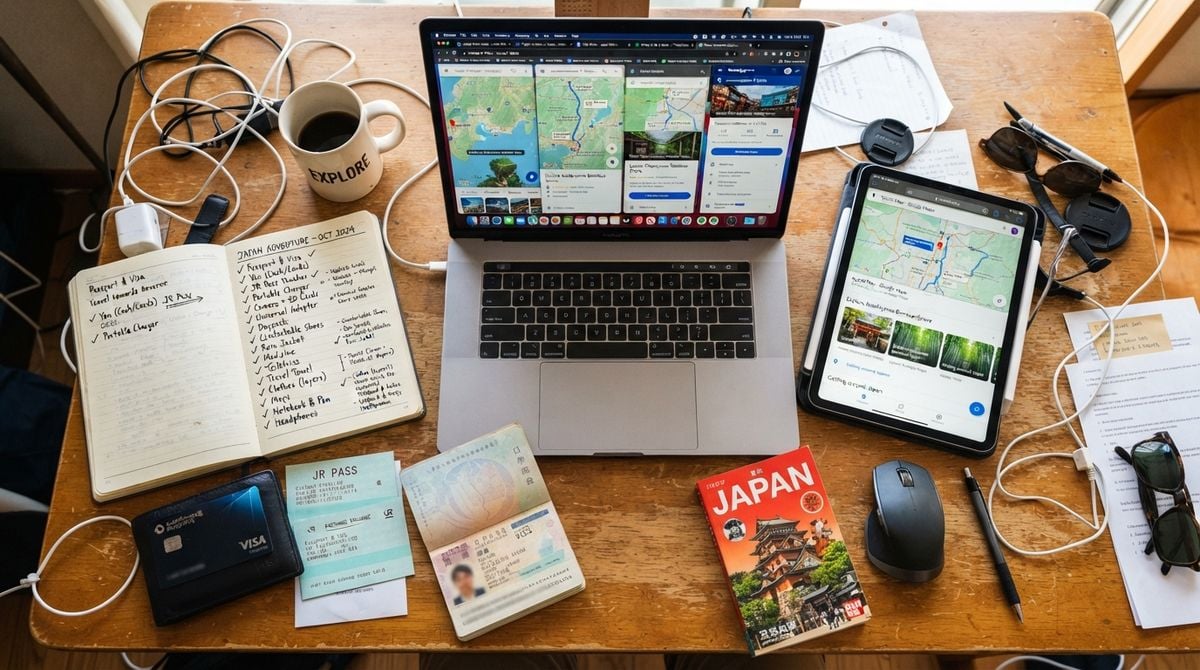
Expanding a real estate investment portfolio into new territories often requires leaving the comfort of desktop analysis. While digital maps, property listings, and aerial photographs provide preliminary data, they cannot replace the insights gained from direct physical observation. Walking a commercial corridor, listening to street noise at dawn, and watching local foot traffic provide context that spreadsheets routinely miss. However, an unorganized trip quickly turns into an expensive excursion with little actionable value. To ensure that time and travel capital yield genuine business utility, investors must establish clear priorities before booking transit.
Setting Clear Objectives Before Booking Travel
Every productive market visit starts with well-defined criteria. Rather than attempting to evaluate an entire metropolitan area in a single trip, experienced operators concentrate on targeted neighborhoods or distinct submarkets. Defining specific property categories, such as small multifamily dwellings or modest commercial storefronts, allows for focused route planning. When the investment scope is clearly bounded, daily schedules can be arranged around specific asset visits and targeted community exploration.
Setting clear goals also prevents the common error of rushing into speculative purchases. A successful research journey should be viewed primarily as an information-gathering exercise rather than an immediate buying expedition. Documenting zoning boundaries, noting municipal maintenance standards, and observing vacant commercial spaces offer baseline knowledge that informs future acquisitions. By treating on-site due diligence as a systematic assessment, investors protect their working capital and avoid premature commitments in unfamiliar territory.
Establishing an Efficient Mobile Base for Fieldwork
When conducting field research across several days, selecting the right lodging is an operational decision rather than a leisure preference. Investors require a clean, functional space equipped with steady internet connectivity, adequate desk space, and accessible parking. Staying close to major transit corridors or within the target district reduces transit time between property viewings and gives immediate exposure to local morning and evening routines.
Accommodations that focus on practical utility provide an environment where daily notes can be reviewed and compiled without distraction. Many traveling professionals prioritize lodging that emphasizes efficiency and functional business spaces over luxury amenities. Gathering practical concepts on streamlining travel arrangements and evaluating accommodations tailored to focused work helps maintain daily discipline while managing expenses. Investors seeking fresh perspectives on optimizing travel logistics and discovering productive operational approaches can consult businesshotel-navi.com to inform their planning process.
A well-chosen base also serves as a central hub for organizing paperwork, property brochures, and vendor business cards collected throughout the day. Setting aside time each evening to transcribe handwritten notes, label photographs, and reconcile receipts ensures that critical observations are preserved while memories are fresh. When research tasks are completed systematically every night, the overall visit remains organized and productive.
Locating Reliable Regional Service Providers
A real estate portfolio cannot thrive without a network of competent local professionals. Independent investors managing properties from a distance depend heavily on plumbers, electricians, general contractors, property managers, and municipal service contacts. Scouting a new region provides an invaluable opportunity to interview prospective service partners face-to-face and evaluate their responsiveness. Meeting technicians and tradespeople on site offers immediate insight into their professionalism and local reputation.
Finding qualified vendors in a new market requires looking beyond generic national search results. Regional trade associations, municipal licensing boards, and local business directories offer direct access to established neighborhood specialists. For example, investors exploring opportunities in dynamic coastal regions can review tampabaybusinesslist.com to locate reputable regional suppliers, trade contractors, and commercial service firms. Connecting with established community businesses ensures that emergency repairs and scheduled maintenance can be handled reliably after a property is acquired.
During these introductory discussions, investors should inquire about service radiuses, standard response times, and typical billing practices. Visiting local hardware stores, lumber yards, and specialty supply shops also provides a realistic picture of material availability in the region. Establishing these vendor relationships before submitting purchase offers eliminates supply chain surprises and builds a dependable operational foundation from the start.
Structuring On-Site Observation and Neighborhood Walks
Physical inspection of an unfamiliar market should involve both structured drive-bys and leisurely walking surveys. Driving allows investors to understand regional traffic patterns, arterial connectivity, and proximity to major employment hubs. In contrast, walking through residential streets and commercial corridors reveals subtle indicators of neighborhood trajectory that vehicle travel obscures. Observing the condition of public sidewalks, the quality of exterior property maintenance, and the presence of independent retail stores offers valuable clues regarding local pride of ownership.
To ensure comprehensive coverage during neighborhood visits, investors should maintain a standard observational checklist. Evaluating key physical and social attributes consistently across different blocks makes it easier to compare competing investment locations.
- Condition of public infrastructure, including roads, storm drains, and street lighting
- Proportion of occupied storefronts versus long-term vacant commercial spaces
- Frequency and accessibility of public transit stops and shared mobility stations
- General maintenance standards of neighboring properties, fences, and landscaping
- Pedestrian activity and neighborhood vitality across different hours of the day
Visiting neighborhoods at different times provides a balanced perspective. A street that appears calm and attractive on a sunny weekday morning may exhibit significant traffic congestion during the evening commute or excessive noise over the weekend. Documenting these environmental shifts across varied hours helps investors build an accurate mental model of tenant life and property performance.
Organizing Financial Records and Field Expenses
Travel for property research represents an operational cost that must be monitored with care. Airfare, vehicle rentals, fuel, meals, and lodging accumulate rapidly during an intensive scouting trip. Keeping these expenses well organized ensures that the true cost of expanding into new regions is accurately reflected in overall portfolio accounting. Maintaining thorough documentation also simplifies tax reporting and prevents commercial expenses from becoming entangled with everyday household spending.
For real estate entrepreneurs operating primarily from home, field excursions can blur financial boundaries if management systems are lax. Consistent record-keeping practices, such as dedicating specific cards to travel expenditures and logging receipts immediately, prevent operational confusion. Maintaining rigorous standards for separating business and personal spending ensures that due diligence costs remain transparent and properly attributed to investment activities. Establishing clear financial separation at home protects investment capital and keeps administrative burdens manageable throughout the life of the enterprise.
Conducting thorough in-person market research transforms remote real estate investing from a speculative gamble into a disciplined commercial practice. By setting precise objectives, securing functional lodging, engaging reputable regional service providers, and maintaining orderly financial tracking, investors build lasting confidence in unfamiliar territories. Approaching every due diligence journey with patience and methodical preparation lays the groundwork for sound capital allocation and long-term portfolio stability.