

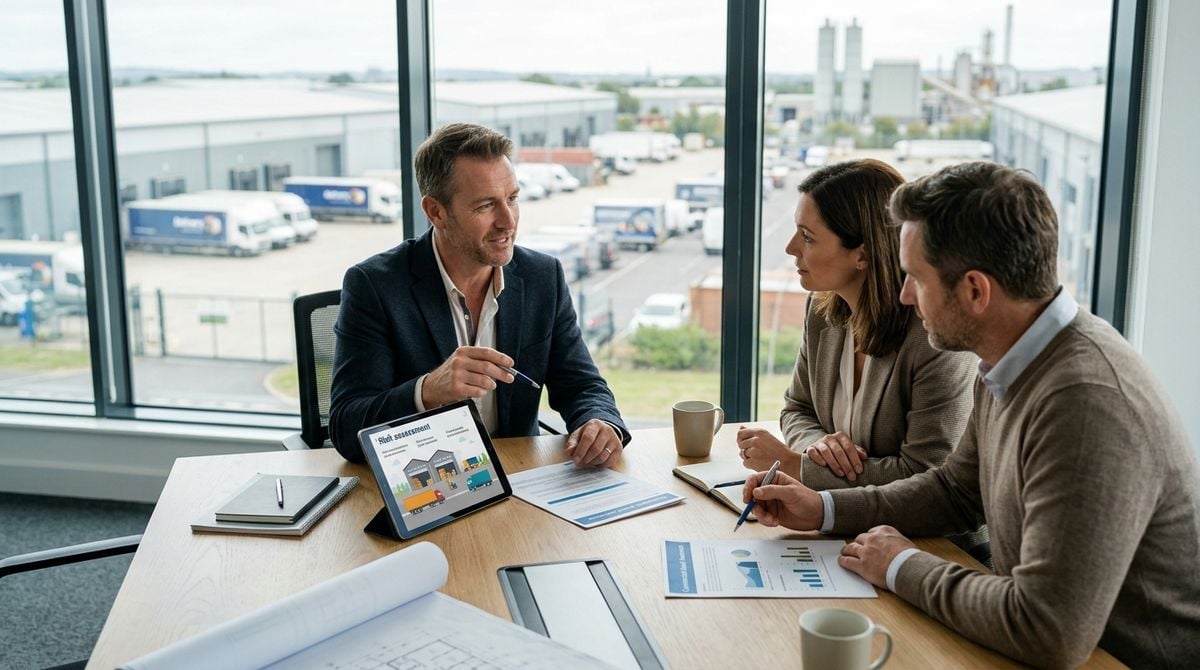
Successful real estate investing requires more than just careful analysis of market trends and property valuations. It demands a sophisticated approach to logistics, particularly when managing a portfolio of scattered assets that require frequent site visits, vendor coordination, and hands-on oversight. For many investors, the vehicle used to facilitate these activities becomes a crucial tool for efficiency and effectiveness. Managing this fleet effectively can directly impact the time and resources available for other high-value investment tasks.
The Operational Intersection of Properties and Vehicles
The link between property management and vehicle reliability is frequently underestimated. When an investor needs to inspect a property, meet with contractors, or handle emergency repairs, the vehicle is the primary mechanism for getting the job done. If that vehicle experiences unexpected downtime, the potential ripple effect on the investor’s schedule and the property’s condition is significant. Operational success in real estate often hinges on being present when issues arise, making the dependability of transportation a foundational element of a successful investment strategy.
Investing time into understanding the mechanical requirements of your primary transport is just as essential as understanding the operational requirements of your real estate assets. Many investors fall into the trap of viewing their vehicle merely as a means of transit, rather than a critical business asset that requires its own management strategy. By treating vehicle logistics with the same level of seriousness applied to property management, investors can mitigate risks and ensure that they remain mobile and responsive when opportunities or challenges arise in the portfolio.
Strategic Asset Management and Reliability
Proactive attention to vehicle health is vital for ensuring that you can reach your properties without interruption. Consistent inspections and timely identification of wear can prevent major failures that might disrupt your schedule. Resources that offer practical advice on car care and maintenance are valuable for any investor managing their own transportation. For those looking to gain deeper insights into maintaining their fleet, advanceautocars.com provides a range of tips and information on auto care, parts, and general repair, which can help keep your vehicles in peak condition.
Beyond simple maintenance, creating a schedule for routine checks ensures that small issues are caught before they become major expenses. Just as property managers schedule regular inspections for their buildings to identify needed repairs, investors should implement a similar routine for their vehicles. Developing a comprehensive maintenance schedule, including checks on tires, fluids, and essential mechanical systems, helps in avoiding the pitfalls of reactive repair, which is almost always more costly and time-consuming than proactive, scheduled maintenance.
Managing Operational Overhead and Insurance
The costs associated with vehicle ownership represent a significant portion of an investor’s operational overhead. Beyond fuel and maintenance, insurance is a mandatory and recurring expense that requires careful navigation. The goal is to balance the need for robust coverage, which protects against liability and asset loss, with a strategy that minimizes unnecessary costs. Staying informed about current options for coverage can help in making decisions that align with broader risk management goals.
Navigating the complex landscape of auto insurance requires clarity and a focus on coverage that suits your specific operational needs. For general information on navigating these choices, carinsurancequotenw.info serves as a resource for those looking to stay informed about their options. Regularly reviewing your insurance policies allows you to ensure that your coverage remains appropriate for your current level of travel and the risks associated with your property management activities. Effective management of this line item is a hallmark of disciplined business operations.
Sustaining Value Through Proactive Maintenance
Ultimately, the objective of managing both your properties and your vehicles is to preserve and enhance value over the long term. This requires a shift in mindset from treating maintenance as a necessary chore to viewing it as a strategic investment in longevity. As discussed in our previous insights on diligent asset maintenance for property longevity, consistent attention to the details of your physical assets is what prevents value erosion. This principle applies equally to the buildings in your portfolio and the vehicles that allow you to manage them.
By establishing clear protocols for both vehicle and property oversight, you can reduce the likelihood of costly surprises. Implementing a consistent system ensures that nothing is overlooked and that your resources are allocated efficiently. Consider integrating the following practices into your overall management workflow:
- Create a recurring schedule for both property inspections and vehicle maintenance checks.
- Document all repairs and service history for every asset in your business.
- Evaluate the performance and reliability of your fleet regularly.
- Maintain a contingency plan for transportation in the event of unexpected vehicle issues.
This disciplined approach to logistics and maintenance ensures that your business operations remain fluid and responsive. When the vehicles that facilitate your property management are maintained to the same high standards as the properties themselves, you position your portfolio for greater stability and long-term viability. Investors who master this balance of oversight across all business assets are better equipped to handle the demands of a growing portfolio without compromising efficiency or focus.
Managing the intersection of real estate investment and operational logistics is an ongoing process that requires constant attention. It is not about perfect execution but about maintaining a consistent, strategic approach to managing every asset that supports your goals. By prioritizing reliability, proactively managing costs, and applying rigorous maintenance standards, you create a stronger foundation for your investment activities, ensuring that you can remain dedicated to the long-term success of your property portfolio.