

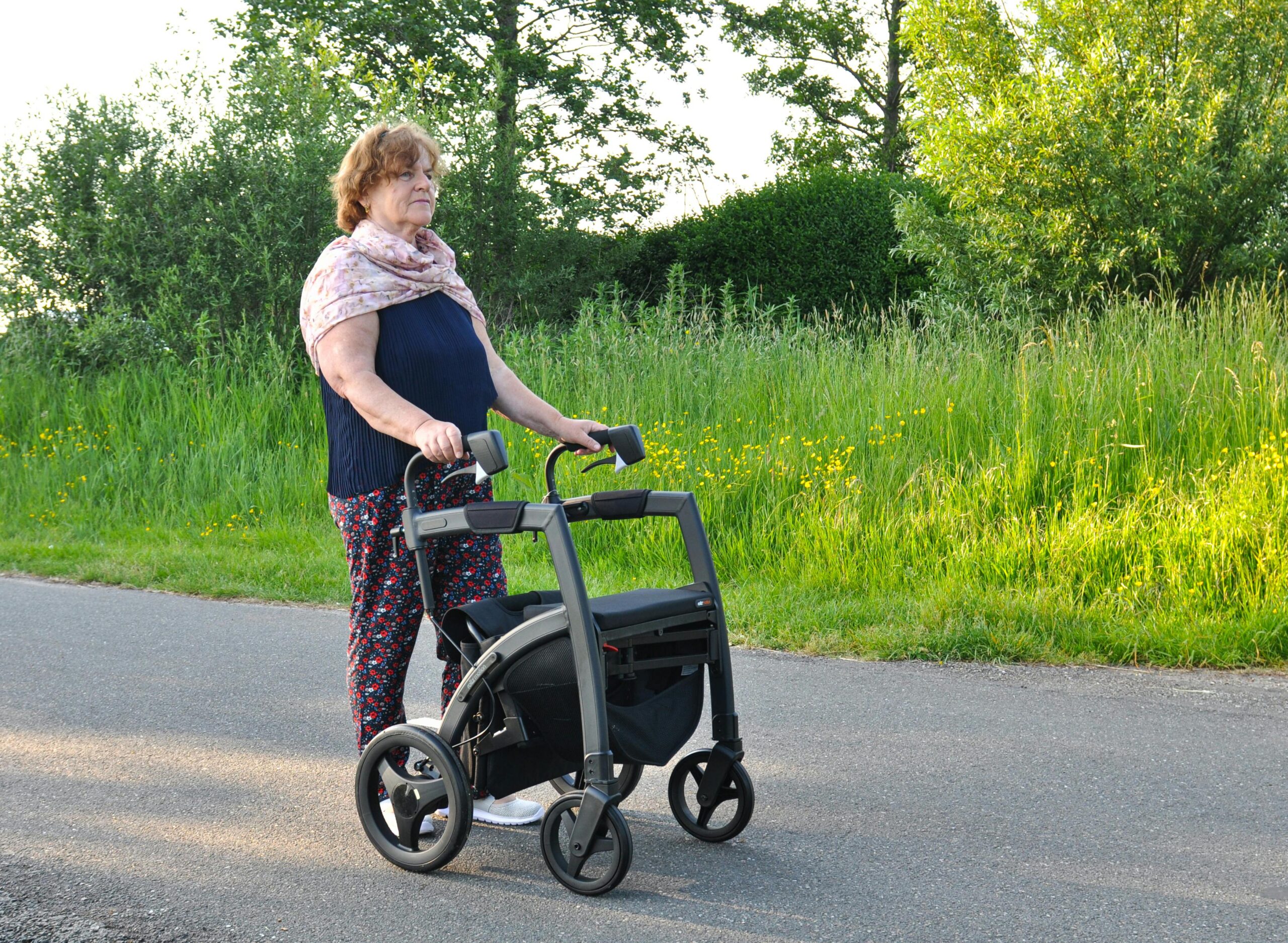
A certainty of life is that time will pass, and you will age. The same can be said for your parents. The problem is that people tend to deny that they’re aging as time passes. That can cause some pain for your loved ones in terms of being able to move on their own, and it can cause you pain by watching their denial. Even with all of this being true, talking to your parents about starting to use mobility aids is going to be a difficult conversation.
Start With Empathy
In most cases, this conversation is not going to be an easy one. Most people are in denial that their aging body is starting to fail them, and if you come into the conversation with demands like, “You need a stairlift installed in your home,” there’s a high chance that it won’t be received well. Be aware that this conversation can easily be taken in the wrong context, especially if this is the first time you’re mentioning it and it seems out of the blue.
Center the conversation on your concern for your parents. You don’t want to see them hurt. You worry that something will happen when you’re not around to help them. Your parents love you and want to help put your mind at ease. Use that as an entrance into the conversation, and remember to maintain empathy as you navigate the difficult talk.
Focus on Advantages over Limitations
For many people, mobility aids of any kind feel like they’re taking away a part of their autonomy. Since they can’t navigate the world without the aid, they start to feel restricted in the places they can go and things they can do. That is not the case.
Focus on how they’ll be able to move faster with the mobility aid instead of having to move slowly to avoid falling. You should acknowledge that the mobility aid may be uncomfortable for them to use at first, but over time, they’ll be able to use it like a pro and do things that they’d been having trouble doing before.
Walk Through Their Home With Them
If you’ve told your parents that you’re concerned about them and they don’t understand why, consider walking around their home with them. Point out things that could be a danger to them without mobility aids, like loose carpets or clutter all around. If their eyesight isn’t doing well, look for darker areas where that could be improved.
If you see something often, it’s hard to identify the problems with it because you’re so used to the way it is. That is the same case with your parents and their home. They may not realize how dangerous things could be if they tripped over a loose carpet corner or fell down the stairs.
Bring In a Third Party
If you’re still having trouble getting through to your parents about mobility aids, consider bringing someone else into the conversation. This could be their doctor or a physical therapist. Their opinion may hold a little more weight in this conversation because of their expertise and knowledge in the area. They’ll also be able to answer more questions than you can, most likely, which will be helpful to your parents.
Focus on the Love
At the end of the day, you want to help your parents stay healthy for as long as you can. More often than not, mobility aids are the way to do this. The conversation is often difficult, and it’s impossible to predict how exactly your parents will react, so navigate it with care. And if the conversation gets frustrating, remember that your parents love you and you love them, and the true goal of this is to make everyone’s lives better.
 Headlines Team