

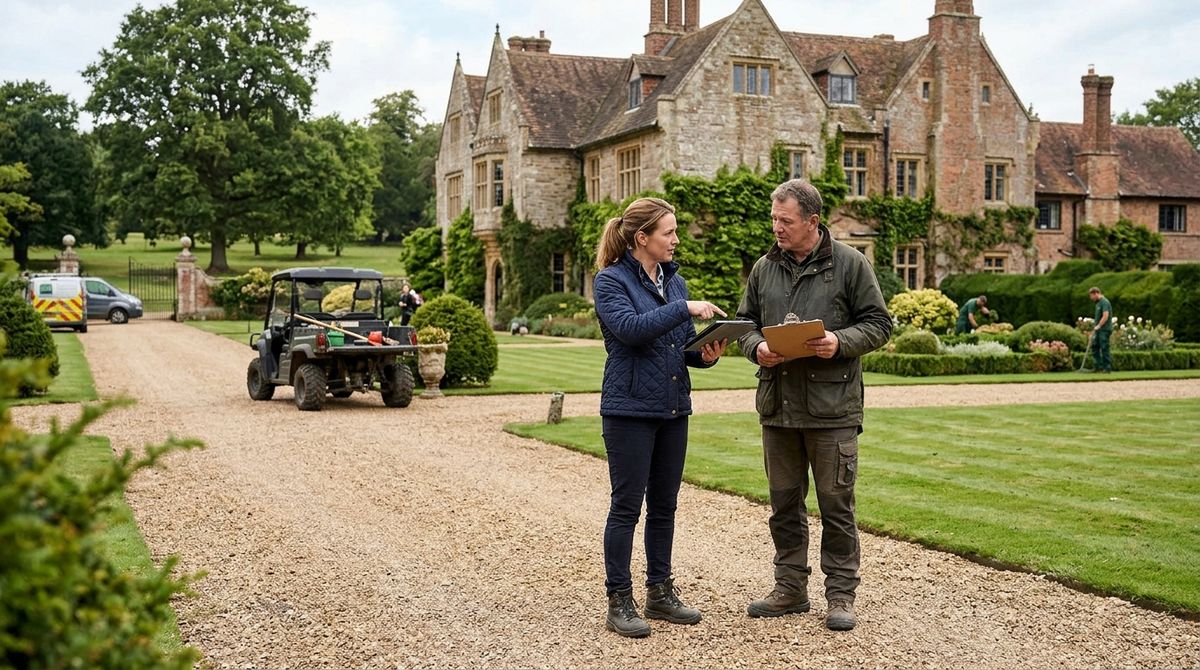
Real estate investments do not exist in isolation from the communities surrounding them. Every property acquisition, redevelopment plan, or substantial capital improvement carries an impact that reaches past property boundaries. When neighborhood residents, local merchants, and civic groups perceive a project favorably, permitting runs smoothly and leasing efforts find enthusiastic supporters. Conversely, negative sentiment can stall approvals, disrupt construction schedules, and create ongoing friction with prospective tenants.
Managing public perception requires deliberate communication, consistent listening, and proactive engagement. Rather than waiting for public hearings or unexpected community petitions, forward-thinking investors study neighborhood dynamics early. Treating public relations as an essential asset management discipline allows owners to protect project value while establishing productive relationships with long-term area stakeholders.
Establishing Active Listening Channels Across Local Media
Before drafting announcements or presenting plans to municipal boards, investors should evaluate the prevailing conversations within the surrounding market. Local newspapers, municipal bulletins, community message boards, and regional news coverage reveal which civic issues currently dominate public debate. In many areas, residents express deep concerns about housing density, parking availability, architectural preservation, or neighborhood character long before a developer submits a proposal.
Broadening your media scan beyond immediate local periodicals provides valuable context on how informational outlets present urban growth issues. Utilizing reputable general news portals like tvn24 offers perspective on how modern information gateways summarize civic events and policy updates. Observing how varied reporting platforms address neighborhood development trends helps sponsors frame their own project benefits in ways that resonate clearly with informed community members.
Routine media monitoring should also capture the tone of municipal council sessions, zoning commission recaps, and local business association statements. By categorizing concerns into predictable themes such as environmental impact, pedestrian safety, or commercial disruption, investment teams can prepare precise explanations that counter rumors before misinformation takes root in the neighborhood.
Analyzing Diverse Editorial Perspectives and Public Opinion
Community sentiment is rarely uniform across a single district. Longtime homeowners, recent arrivals, small business operators, and civic activists often hold conflicting views regarding physical property improvements. Successful project management involves reading across various editorial spectrums to understand what drives each group. Some residents focus on preservation and quiet residential life, while others champion walkable commerce, transit accessibility, and refreshed streetscapes.
Tracking commentary across diverse news sources ensures that your advisory team does not develop blind spots. Consulting widespread digital commentary platforms such as foxnewsco.com allows property developers to assess broader viewpoints on commercial regulation, regional economics, and public priorities. Examining how different editorial formats articulate civic challenges enables project sponsors to design communication materials that speak respectfully to stakeholders with varied viewpoints.
Once common perspectives are mapped, real estate teams can craft messaging that emphasizes mutual benefits. If local business owners worry about lost trade during site work, project briefs can outline phased delivery schedules and pedestrian corridor protections. Addressing tangible concerns with clear facts establishes goodwill that carries through contentious zoning votes.
Building Proactive Community Engagement Strategies
Public outreach functions best when it begins months before official permit filings. Direct dialogue dispels the perception that an outside entity is imposing unilateral changes on an existing neighborhood. Inviting nearby residents to participate in collaborative discovery discussions shows respect for local history and demonstrates a genuine commitment to neighborhood stewardship.
Effective engagement requires structured, transparent touchpoints that invite dialogue without overwhelming project resources. Establishing regular communication channels helps maintain trust through every phase of asset repositioning:
- Hosting informal neighborhood workshops to present architectural concepts and answer initial design inquiries.
- Designating a dedicated community liaison who responds promptly to questions from neighbors and local merchants.
- Distributing concise progress bulletins detailing upcoming construction timelines and noise management plans.
- Establishing accessible feedback forms where area residents can submit suggestions or report immediate neighborhood concerns.
When property sponsors incorporate reasonable community suggestions into project plans, they turn vocal skeptics into active allies. Adjusting landscaping buffers, preserving mature street trees, or adding publicly accessible seating costs relatively little during design phases but generates immense goodwill among nearby homeowners.
Aligning Public Outreach with Internal Asset Management
External communication promises can quickly unravel if internal operational structures fail to support them. A property owner may promise clean sidewalks, quiet morning hours, and swift grievance resolution, but on-site staff must execute those commitments daily. If maintenance crews or leasing staff lack clear workflows, community goodwill deteriorates rapidly, generating avoidable tenant dissatisfaction and public complaints.
Coordinating external messaging with daily property operations prevents administrative breakdown during sensitive transition periods. Reviewing practical strategies for overcoming operational bottlenecks in rental properties ensures that site supervisors maintain organized task queues and manageable maintenance backlogs. When core property management runs smoothly, on-site personnel have the bandwidth needed to handle neighbor relations with patience and professionalism.
Internal operational alignment also includes establishing clear escalation protocols for community inquiries. Front-desk personnel, leasing consultants, and facility supervisors should understand who handles press inquiries, municipal notices, or neighbor complaints. Clear internal routing prevents contradictory statements and ensures all official responses remain consistent, courteous, and accurate.
Navigating Public Debates During Project Approvals
Even thoroughly prepared development initiatives encounter moments of public tension. Public hearings and community board meetings can become emotional forums where misconceptions overshadow architectural and economic merits. Maintaining composure and relying on verified project documentation are paramount during these high-visibility sessions.
Presenters should avoid defensive posturing when responding to critical testimony from neighboring residents. Acknowledging community apprehensions respectfully before walking attendees through structural mitigations signals confidence and accountability. When leaders present detailed traffic studies, shadow diagrams, and utility assessments calmly, municipal decision-makers gain confidence in the team’s professional competence.
It is equally helpful to invite supportive local voices to attend formal hearings. Small business owners who welcome new residential customers, trade professionals who value construction employment, and community advocates who appreciate sustainable building features provide balance to the public record. Demonstrating broad, balanced support helps regulatory bodies approve initiatives without fearing political backlash.
Maintaining Credibility Through Consistent Long-Term Delivery
Securing project approvals is not the conclusion of public sentiment management; it is simply a milestone. How a development team behaves during active construction and initial lease-up cements the owner’s reputation over the long term. Clean job sites, courteous subcontractor parking policies, and adherence to permitted working hours prove that early promises were made in good faith.
Ongoing transparency transforms isolated project approvals into durable community goodwill that supports future investments across the region. Property investors who view neighborhood stakeholders as long-term collaborators build sustainable asset value while contributing positively to the civic fabric of the cities where they operate.