

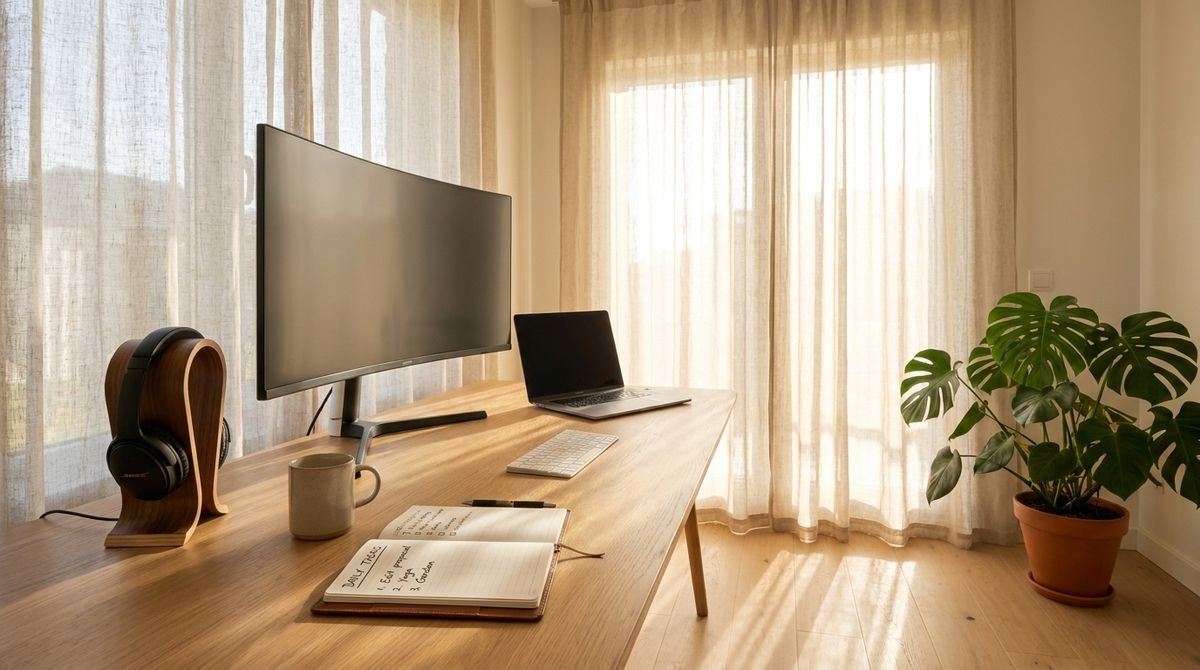
Creating a dedicated area for professional tasks within a residence requires careful planning. For many individuals, the transition toward remote work or the need for a secondary workspace has emphasized the importance of a functional, cost-effective, and long-term setup. Rather than focusing on immediate aesthetics or expensive furniture, the goal should be to create a space that fosters productivity, minimizes ongoing costs, and enhances the overall value of the home environment. By approaching this project with a strategic mindset, you can build a workspace that adapts to your professional needs while maintaining financial prudence.
Establishing the Foundations of Your Workspace
The initial phase of creating a functional workspace is assessing available space with a focus on long-term utility. A quiet corner, a guest bedroom, or a modified closet can serve as a highly effective office if the layout is designed for comfort and accessibility. The priority should be establishing a space that allows for focused work while remaining distinct from the rest of the home. This separation helps in maintaining a professional mindset during work hours and assists in effectively disconnecting at the end of the day.
Consider the placement of desks and seating in relation to natural light and power sources. A well-placed desk can reduce the need for artificial lighting during daylight hours, which serves as a practical way to manage utility costs. Furthermore, ensure that the chair and desk height are ergonomic. Investing in equipment that supports proper posture reduces the risk of discomfort, which is essential for sustaining high levels of productivity over time. While the temptation may be to purchase high-end, brand-new furniture, seeking out durable, pre-owned options often yields better long-term value without compromising on functionality.
Managing Overhead Costs and Energy Efficiency
A major aspect of managing a home workspace effectively involves controlling recurring expenses. Beyond the initial setup, operational costs like energy usage, internet service, and office supplies can accumulate. To keep these overheads manageable, focus on energy-efficient choices for lighting and equipment. Utilizing smart power strips that automatically cut electricity to peripheral devices when they are not in use can lead to meaningful savings on monthly utility bills.
Furthermore, improvements made to the physical space itself can contribute to both comfort and efficiency. When looking for guidance on improving your home environment, you might find PlantWare to be a useful resource for identifying home improvement projects that enhance your living and working conditions. Simple modifications, such as better window treatments to control room temperature or adjusting the layout for better airflow, can reduce the reliance on heating and cooling systems, effectively lowering your office’s environmental impact and your financial costs.
Iterating on Your Setup for Long-Term Comfort
Workspace optimization is rarely a one-time endeavor. As your professional needs change, so too will the requirements for your office environment. This is where an iterative approach becomes beneficial. Instead of attempting a complete, expensive overhaul, view your workspace as a project that requires regular refinement. This perspective allows you to make incremental changes based on actual usage rather than predicted needs, which prevents unnecessary spending on features or equipment that do not provide genuine utility.
Embracing a mindset of continuous improvement is crucial for long-term success. If you are interested in exploring how to build trust in your own processes and develop better habits through iterative refinement, rough-draft.net offers a unique perspective on the value of refining your approach. By treating your workspace as an evolving project, you remain flexible and can adapt to new challenges or changing professional goals without incurring the high costs associated with rigid or poorly planned environments.
Balancing Wellness with Professional Requirements
A truly productive workspace also accounts for your physical and mental wellness. Sitting for extended periods, even in an ergonomic setup, requires breaks and active measures to maintain health. Creating a routine that incorporates movement and stress management is essential. This could involve short, frequent walks, stretching, or structured breathing exercises between tasks. These practices ensure that you remain focused and energetic throughout the work day.
Incorporating wellness into your professional routine also involves managing the tools and substances you use to support your focus and relaxation. For those who prioritize a balanced lifestyle, optimizing your daily wellness routine can be a practical way to manage costs while supporting physical recovery. By being intentional about what you include in your workday—whether it is nutritional support, movement breaks, or refined wellness habits—you ensure that your workspace contributes to your overall well-being rather than depleting it.
Maintaining Your Office Assets for Value
Finally, protecting the value of your workspace assets involves consistent care and maintenance. Just as with any major investment in your home, regular upkeep extends the lifespan of your office equipment and furniture. Keep electronic devices clean to prevent overheating, ensure cables are managed and protected, and periodically check furniture for loose screws or worn components. Taking these proactive steps not only keeps your office looking professional but also avoids the need for premature replacements, which preserves your budget for more impactful future upgrades.
Practical Steps for Workspace Longevity
- Clean surfaces and screens regularly to maintain equipment functionality.
- Organize cable management systems to prevent wear and damage to cords.
- Adjust ergonomic settings periodically to ensure they still meet your physical needs.
- Review your supply usage to identify opportunities for reducing waste.
- Audit your digital workspace to ensure files are organized for efficiency.
Maintaining a dedicated workspace requires balancing immediate needs with long-term financial and physical well-being. By focusing on sustainable practices, embracing an iterative approach to design, and prioritizing wellness alongside professional output, you can create an environment that supports your career goals for the long haul. This measured approach ensures that your home office remains a valuable asset, contributing to your productivity and overall satisfaction without imposing unnecessary strain on your resources.