


Key Takeaways
- Streamlining the hiring process reduces time-to-hire and associated costs.
- Focusing on candidate quality over quantity enhances long-term employee value.
- Leveraging technology and data analytics optimizes recruitment strategies.
- Implementing skills-based hiring broadens the talent pool and improves retention.
- Continuous evaluation and adaptation of hiring practices are essential for sustained ROI.
Introduction
In a rapidly evolving job market, maximizing recruitment return on investment (ROI) has become a crucial objective for organizations seeking to attract and retain top-tier talent. With fierce competition for skilled professionals and ongoing talent shortages across many fields, the pressure on hiring teams to deliver value while minimizing inefficiencies is more intense than ever. Costs related to recruitment—such as advertising, interviewing, onboarding, and turnover—continue to escalate, placing renewed emphasis on the need to revamp hiring processes for greater efficiency and strategic alignment. Taking a closer look at hiring efficiency not only benefits operational outcomes but also directly contributes to an employer’s ability to remain competitive and agile in the marketplace.
Forward-thinking companies are prioritizing intelligent hiring over quick fills, investing in digital tools, and emphasizing quality candidates through data-driven decision-making. By refining recruitment strategies and fostering stakeholder collaboration, organizations can eliminate inefficiencies that hinder the hiring process and improve the candidate experience. Efficiency-driven hiring initiatives lead to lower turnover and enhanced performance, positioning recruitment as a strategic function that aligns closely with organizational goals to drive better business outcomes. Smart hiring is essential for capturing growth and innovation opportunities.
Streamlining the Hiring Process
Long hiring cycles can sap productivity, frustrate candidates, and bloat recruitment budgets in ways that are not always obvious at first glance. Every extra day a position stays open can mean lost revenue, missed opportunities, and increased stress for existing team members. Streamlined processes directly address these pain points by leveraging automation for repetitive administrative tasks, setting clear and realistic decision-making timelines, and empowering hiring managers with easy-to-use structured interview tools. For example, automated resume screening can quickly identify the best-fit applicants, and bulk scheduling tools enable faster coordination of interviews without the need for endless email chains.
Well-defined workflows reduce ambiguity, facilitate faster decision-making, and promote transparency for both candidates and internal teams. Building structured interview guides based on critical job-related competencies helps ensure consistency and reduces personal bias during the selection process. According to the Harvard Business Review, organizations that regularly review and optimize these processes can reduce time-to-hire by up to 50%, resulting in substantial savings, an improved candidate experience, and higher hiring manager satisfaction.
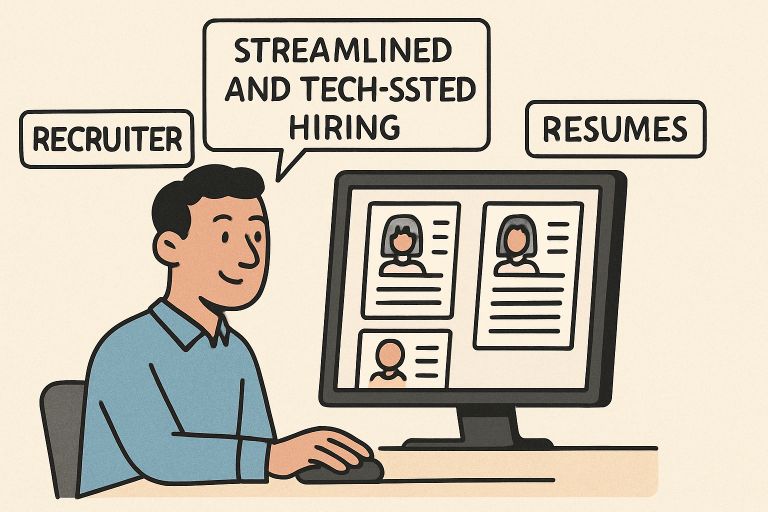
Additionally, providing frequent and clear communication with candidates keeps them engaged, reduces drop-off rates, and enhances the company’s external reputation. By analyzing bottlenecks and seeking regular feedback, companies can continually refine workflows, further reducing the risks of lost talent and improving overall hiring outcomes.
Prioritizing Candidate Quality Over Quantity
It’s a common misconception that having a high volume of applicants naturally leads to better hires. In reality, quality-driven recruitment is about focusing resources on attracting and selecting the most qualified and culturally aligned candidates, which in turn dramatically reduces the likelihood of costly mis-hires and chronic turnover in the future. Instituting stricter, job-relevant screening criteria up front—and ensuring those criteria are aligned with the skills, values, and aspirations needed for long-term business success—means more precise and effective shortlisting.
Organizations that use holistic evaluation systems, combining soft skills assessments, technical evaluations, and culture-fit interviews, can predict not just on-the-job performance, but also cultural contribution and growth potential. This deeper approach ensures new hires fill immediate capability gaps while driving greater organizational value over time. As a result, businesses benefit from higher productivity, lower attrition, and significantly reduced future training costs—a reality highlighted by research from SHRM.
Candidate quality is further enhanced by involving team members and future colleagues in the interviewing process, thereby increasing the likelihood that new hires will align well with both the team’s dynamics and the broader company culture.
Leveraging Technology and Data Analytics
In today’s digital landscape, embracing technology is the foundation of any modern recruitment strategy. Applicant tracking systems (ATS) automate much of the record-keeping and candidate tracking tasks that previously slowed down or complicated the hiring process. Artificial intelligence-driven sourcing tools quickly scan vast pools of potential candidates, surfacing matches based on skills and experience, often before they have even applied. Analytics dashboards give HR teams data-backed insights into every stage of the recruiting funnel, from sourcing efficiency to post-hire engagement and performance.
By utilizing AI-powered matching algorithms, companies can access a broader and more diverse pool of candidates. At the same time, predictive analytics enable organizations to anticipate future hiring needs based on their current business trajectories. Real-time insights dashboards allow HR professionals to identify bottlenecks, forecast resource requirements, and adjust recruitment campaigns as needed. According to a recent Forbes report, organizations that have adopted intelligent hiring platforms experience dramatic improvements not only in process efficiency but also in the quality of hire, reporting up to a 30% reduction in time-to-fill metrics and a higher overall ROI.
Beyond candidate identification, technology streamlines engagement through automated communication tools, digital assessment platforms, and advanced onboarding solutions, all of which reduce manual errors, standardize candidate experience, and keep recruitment efforts scalable as the organization grows.
Implementing Skills-Based Hiring
Skills-based hiring is a fundamentally progressive approach that evaluates candidates primarily on their ability to perform job-specific tasks, rather than their academic pedigrees or exact work histories. By examining core competencies and transferable skills, hiring managers can open opportunities for talented individuals who might otherwise go unnoticed, such as career changers, returning professionals, or those with nontraditional educational backgrounds. This methodology expands the available talent pool, drives better diversity and inclusion, and helps close critical talent gaps that exist in rapidly changing industries.
Skills-first assessments—such as practical tests, simulations, or job auditions—offer a measurable and objective way to compare candidates, minimizing unconscious bias and helping ensure that the best person for the job is selected. In fast-evolving sectors, having the right mix of technical, analytical, and communication skills often matters more than prior job titles or degrees. As highlighted by research from CNBC, this type of hiring is associated with faster innovation cycles and higher retention rates, as employees are more likely to feel engaged and empowered in roles matched to their strengths.
Continuous Evaluation and Adaptation
Sustained recruitment ROI relies on a cycle of ongoing evaluation, robust measurement, and responsive adjustment to both internal and external changes. Regularly reviewing critical hiring metrics—including time-to-hire, cost-per-hire, sourcing channel effectiveness, offer acceptance rates, and new hire performance—allows leaders to stay attuned to the pulse of recruiting efficiency. When organizations establish automatic feedback loops and adopt a data-driven mindset, HR teams are better equipped to make informed adjustments to strategies, processes, or tools as talent needs or business objectives evolve.
Such continuous improvement is vital in today’s unpredictable market conditions, where in-demand skills may rapidly change, and organizational priorities can shift overnight. Companies that make a habit of re-examining recruitment processes see ongoing gains in new hire engagement, productivity, and retention. This approach not only optimizes short-term outcomes but also cements a framework for long-term agility and sustainable growth.
Conclusion
Efficient hiring practices are no longer a nice-to-have; they are a vital business imperative, especially for organizations seeking to remain relevant and competitive in fast-moving industries. By streamlining workflows, focusing on candidate quality, embracing cutting-edge technology, using skills-based evaluations, and maintaining a commitment to ongoing process refinement, companies can unlock greater recruitment ROI and pave the way for sustained organizational growth. The organizations that master recruitment efficiency today are those best positioned to thrive in tomorrow’s challenging—and opportunity-rich—talent landscape.
 Headlines Team