

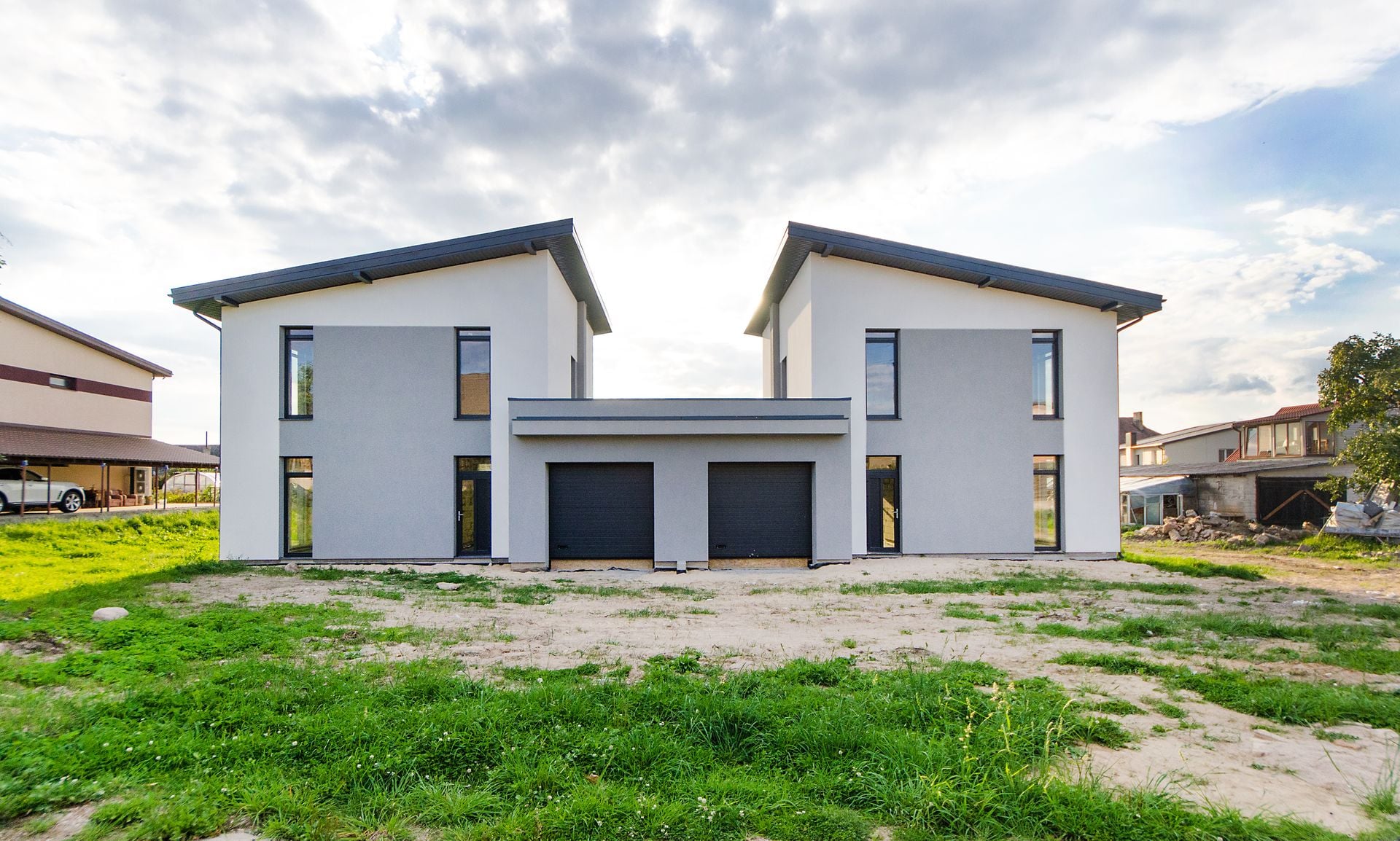
When your home starts to feel tight, moving can seem like the obvious answer. More bedrooms, a larger kitchen, a dedicated office, or room for guests may all be on your wish list. But selling, buying, and starting over aren’t the only ways to get the space you need. Expanding your current home may offer a more practical path, especially if you still enjoy your neighborhood and community connections.
Adding an accessory dwelling unit, converting a garage into a workout space, or even reworking your layout can change how your property supports your daily life. The best option depends on your lot, budget, local rules, and long-term plans, but it’s worth considering expansion before assuming a move is necessary.
Keep the Parts of Home That Already Work
Space problems don’t always mean you’ve chosen the wrong home. You may love the street, appreciate the school routine, or simply feel attached to the place where your life has unfolded. Moving for square footage can mean giving up many of those benefits.
Expanding allows you to address the real issue without replacing everything else. A growing family might need another bedroom and bathroom. A remote worker may need a quiet office with a door. Someone caring for an aging relative may need a private, accessible living area. By identifying the specific pressure points in your home, you can create a plan that solves them more directly than a move might.
Design Space Around the Way You Live
Buying another house often requires compromise. A larger home may have an awkward kitchen or rooms that don’t match your needs. An expansion gives you more control over the outcome. You can create spaces that fit your household rather than adapting to someone else’s floor plan. That could mean extending the kitchen to make room for everyday meals and entertaining, adding a primary suite for more privacy, or building a flexible room that can shift from playroom to study area to guest space over time.
A separate accessory dwelling unit can be especially versatile. Thoughtful adu design can help homeowners consider how a detached or attached space might serve changing needs, whether that means housing family members or providing a more independent living setup. Before committing to any approach, review local zoning and permit requirements that may affect what is possible on your property.
Create Flexibility for the Next Chapter
Homes rarely need to serve one purpose forever. Children grow, work arrangements change, relatives may need support, and hobbies can take up more room than expected. An expansion can give your household options without demanding that you predict every future detail.
For example, a ground-level room with a nearby bathroom may be useful as an office now and a convenient guest or family space later. A finished basement can become a workout area, storage zone, or teen hangout. A backyard structure may offer separation for work or visitors while keeping people close to home.
The key is to avoid designing solely for one temporary need. Think about how a new room could function in at least two or three different ways. Flexible design choices, such as durable finishes, sensible storage, and adaptable furniture layouts, can help the space remain useful as circumstances change.
Avoid the Disruption of a Full Relocation
Moving involves more than changing addresses. It requires preparing a home for sale, searching for a new property, coordinating timelines, handling paperwork, and settling into a new routine. Expanding has its own disruptions, including construction noise, dust, temporary loss of access to certain rooms, and decisions along the way. Still, it keeps the project focused on improving a home you already understand.
Careful planning can make the process easier to manage. Establish priorities early and talk through how construction may affect daily life. Consider where your household will work, cook, park, and relax while the project is underway. A realistic plan doesn’t eliminate inconvenience, but it can reduce surprises.
Make the Decision with Clear Eyes
Expanding isn’t automatically the right answer for every homeowner. Your property may have physical limits, local requirements may shape the scope of the project, or the costs and timeline may not fit your plans. Moving may still make sense if you want a different location or cannot create the space you need within the constraints of your lot.
But if you like where you live and mainly need your home to work harder, expansion deserves serious consideration. Begin with your daily needs, think about the flexibility you want in the future, and explore what your home and property may be able to support. The goal is to create a home that gives your household more comfort, function, and room to stay connected to the life you already enjoy.
 Headlines Team