

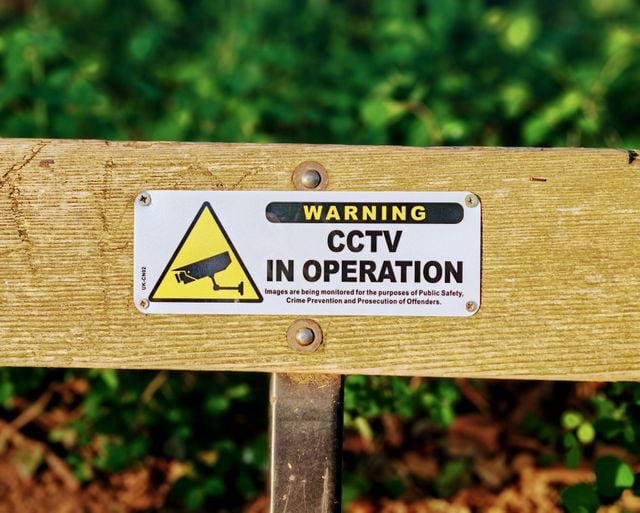
Modern real estate developments are expected to offer more than attractive architecture and convenient amenities. Whether the project is a residential community, commercial complex, mixed-use development, or industrial site, security has become a major consideration for property owners, investors, and occupants alike. Physical security measures play a vital role in protecting people, assets, and property values while helping create environments where residents and businesses can thrive.
Protecting People and Property
The primary purpose of physical security is to safeguard people and property from unauthorized access, vandalism, theft, and other security threats. As developments grow larger and more complex, the number of entry points and vulnerable areas often increases. Without proper security measures in place, these locations can become targets for criminal activity.
Features such as controlled access points, perimeter fencing, surveillance systems, and secure entryways help reduce risks by creating multiple layers of protection. These measures act as both deterrents and response tools, making it more difficult for unauthorized individuals to enter the property while allowing security teams to monitor activity effectively.
Enhancing Resident and Tenant Confidence
People want to feel safe where they live, work, and visit. Security features can significantly influence how residents, tenants, and visitors perceive a development. When occupants know that proactive security measures have been implemented, they are often more comfortable using shared spaces and engaging with the community.
A secure environment can also contribute to higher tenant retention rates in commercial and residential properties. Businesses are more likely to renew leases in locations where employees and customers feel protected, while homeowners often place significant value on neighborhoods that prioritize safety.
Supporting Long-Term Property Value
Property value is influenced by numerous factors, and security is one of the most important. Developments with strong security infrastructure are often viewed as more desirable because they offer reduced risk and greater peace of mind.
Investors and developers understand that security improvements can contribute to the long-term success of a project. Well-maintained security measures help preserve the condition of buildings, minimize costly damage from vandalism, and reduce losses associated with theft. These benefits can make a property more attractive to buyers, tenants, and investors over time.
Managing Vehicle Access Effectively
Vehicle traffic is a significant consideration in many modern developments. Parking lots, private roads, loading zones, and pedestrian areas all require thoughtful planning to prevent unauthorized vehicle access and maintain safety.
One effective solution is the use of security bollards, which help define boundaries, protect critical infrastructure, and prevent vehicles from entering restricted areas. By controlling vehicle movement, developers can reduce the likelihood of accidents while enhancing the overall security of the property.
Reducing Liability and Risk
Property owners and managers have a responsibility to provide reasonably safe environments for occupants and visitors. Failure to implement appropriate security measures can lead to increased liability if preventable incidents occur.
Physical security systems help demonstrate a commitment to safety by addressing potential vulnerabilities before problems arise. Security planning may include adequate lighting, monitored entrances, secure parking facilities, emergency communication systems, and barriers designed to protect high-risk areas. Together, these measures contribute to a safer environment and may help reduce legal and financial risks associated with security incidents.
Supporting Modern Security Technology
Physical security and technology work best when they are integrated. While surveillance cameras, access control systems, and monitoring platforms provide valuable information, they are often most effective when paired with physical barriers and protective infrastructure.
For example, access control systems can restrict entry to authorized individuals, while gates, fences, and reinforced doors provide physical obstacles that support those digital controls. This layered approach strengthens overall security and helps ensure that technology investments deliver maximum value.
Meeting Evolving Security Expectations
As urban environments continue to evolve, security expectations are becoming more sophisticated. Residents, employees, and visitors increasingly expect developments to incorporate modern security features from the beginning rather than as an afterthought.
Developers who prioritize security during the planning and construction phases are better positioned to meet these expectations. Incorporating physical security measures early in the project lifecycle can also be more cost-effective than retrofitting solutions after construction is complete.
Conclusion
Physical security measures remain a fundamental component of successful real estate developments. They help protect people, secure valuable assets, support property values, and create environments where occupants feel safe and confident. By combining effective physical infrastructure with modern technology and thoughtful planning, developers can create properties that are not only attractive and functional but also resilient against a wide range of security challenges.
 Daniel
  Headlines Team