

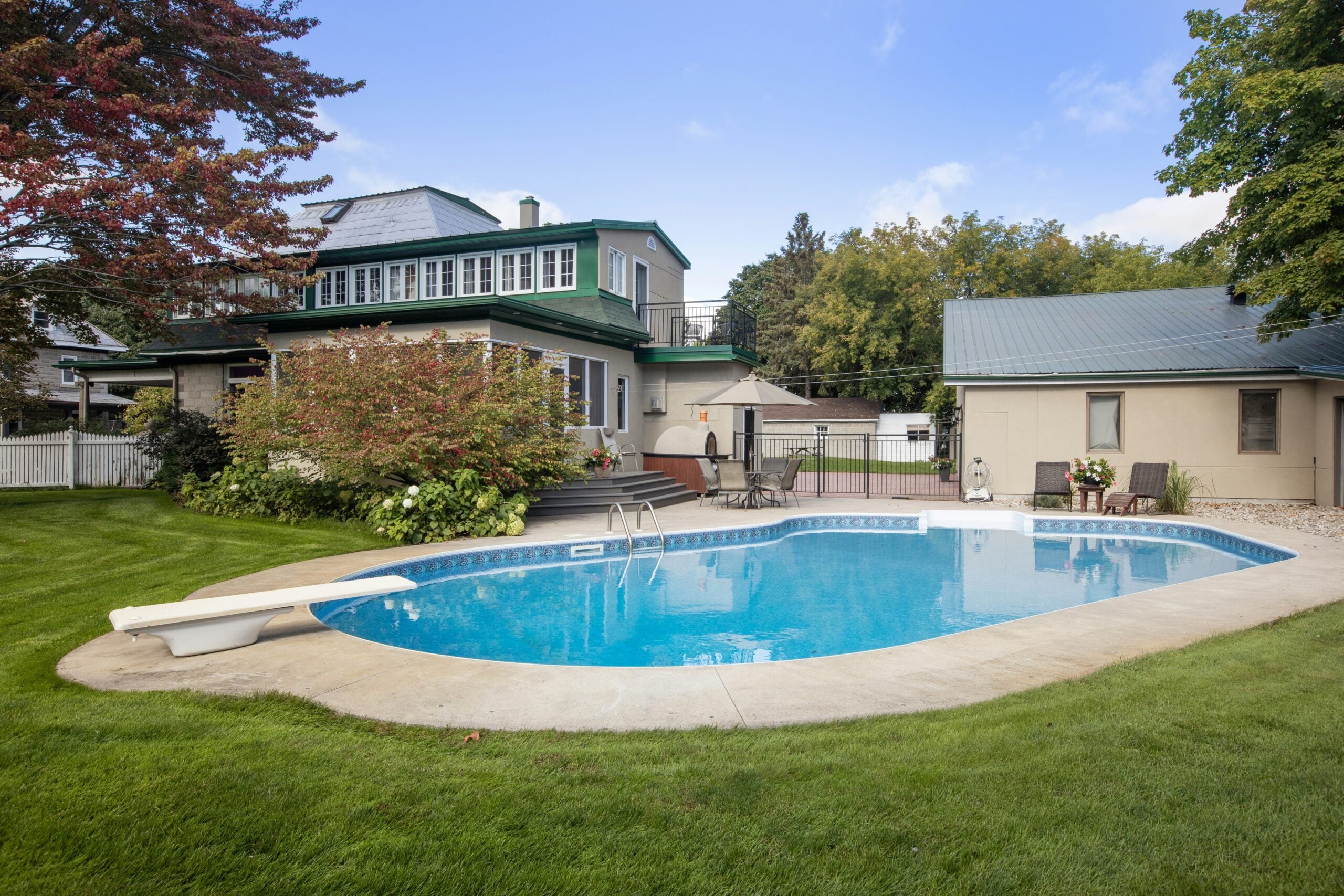
Swimming pools require consistent maintenance to stay clean, safe, and enjoyable for swimmers. One of the most important parts of pool care involves using the right chemicals. Pool chemicals are specially designed products that help sanitize the water, balance chemical levels, prevent algae growth, and protect pool equipment. Without proper treatment, pool water can quickly become cloudy, contaminated, or unsafe for people to use.
Pool chemicals work together to maintain healthy water conditions and create an environment where bacteria, algae, and other contaminants cannot thrive. Chlorine is one of the most commonly used pool chemicals because it acts as a sanitizer that kills germs and helps prevent the spread of bacteria. Bromine is another sanitizer option often used in spas and indoor pools because it remains stable in warmer water temperatures. These sanitizers are essential for keeping the water safe for swimmers throughout the season.
Another important category of pool chemicals involves balancing the water’s pH and alkalinity levels. If pool water becomes too acidic or too alkaline, it can cause skin and eye irritation, damage pool liners, corrode equipment, and reduce the effectiveness of sanitizers like chlorine. pH increasers and pH decreasers help keep water within the recommended range. Total alkalinity products stabilize the pH, helping prevent sudden fluctuations that can make pool maintenance more difficult.
Calcium hardness chemicals also play an important role in pool care. Water that contains too little calcium can become corrosive and damage pool surfaces or equipment. On the other hand, excessive calcium levels can lead to scaling, cloudy water, and buildup around pool fixtures. Calcium increasers help maintain the correct mineral balance to protect both swimmers and the pool itself.
Algaecides are another commonly used pool treatment product. These chemicals help prevent and remove algae growth, which can turn pool water green, slippery, and unpleasant. While sanitizers kill many contaminants, algaecides provide an extra layer of defense against stubborn algae problems, especially during hot weather or periods of heavy pool use. Pool owners may also use shock treatments, which are concentrated doses of chlorine or oxidizers designed to quickly destroy contaminants, bacteria, and organic materials that build up in the water over time.
Some pool chemicals are designed to improve water clarity and filtration performance. Clarifiers help small particles combine into larger particles so they can be captured by the filtration system more easily. Flocculants perform a similar function but work faster by causing debris to sink to the bottom of the pool for manual vacuuming. Metal removers and stain preventers are also available for pools that experience discoloration from minerals such as iron or copper.
Proper storage and handling of pool chemicals is extremely important. These products should always be stored in a cool, dry, and well-ventilated area away from direct sunlight and moisture. Mixing chemicals improperly can create dangerous reactions, so pool owners should carefully follow manufacturer instructions and use protective equipment when necessary.
Understanding what pool chemicals are and what they do can help pool owners maintain cleaner, safer, and more comfortable swimming conditions. With proper testing, balanced water chemistry, and routine maintenance, pool chemicals help protect swimmers while extending the life of the pool and its equipment.
 Headlines Team