

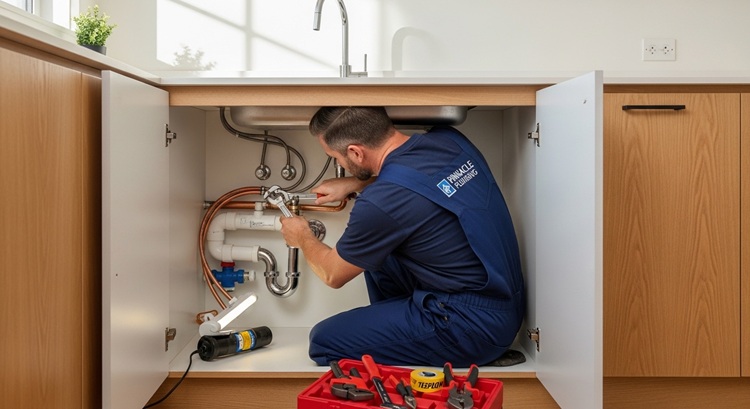
Owning a building means staying on top of the systems you usually can’t see, and few things are more vital than what’s happening inside your walls. Keeping your water moving isn’t just a matter of everyday comfort—it’s a direct defense against structural rot, massive emergency repair bills, and the health risks that come with mold or stagnant lines. Investing time in consistent plumbing system maintenance is a simple strategy that pays off through fewer middle-of-the-night emergencies, longer-lasting fixtures, and a significantly safer environment for families or tenants alike.
Why Regular Upkeep is a Financial Lifesaver
Regular oversight reduces the chance of sudden mechanical failures that often lead to catastrophic water damage, mold growth, and astronomical restoration bills. Small issues, such as a tiny drip under a guest bathroom sink or a slightly corroded shut-off valve, often begin their lives quietly and without fanfare. Insurance data shows that water damage is one of the most frequent—and expensive—reasons property owners file claims. If you let a small problem sit, it snowballs fast: a tiny drip turns into a steady stream, mineral buildup chokes your water flow and burns out your pumps, and a single frozen pipe in the middle of January can burst and drown your entire basement in minutes.
Your Routine Maintenance Checklist
A few targeted tasks performed on a monthly or quarterly basis go a long way in extending the lifespan of your hardware. Property owners should make it a habit to inspect under-sink areas for dampness, run garbage disposals with ice to sharpen blades, and use baking soda and vinegar to keep drains clear naturally. In the bathroom, checking the base of toilets for leaks and cleaning faucet aerators ensures optimal performance. Don’t forget the utility room; inspecting washing machine hoses for bulges and testing the temperature-pressure relief valve on the water heater once a year are vital steps for safety. Utilizing professional plumbing maintenance services during these checks can help identify deep-seated issues like hidden slab leaks or venting problems before they become visible.
Navigating Seasonal Shifts and Weather Risks
Your pipes change with the weather, so your maintenance should too. Good seasonal prep stops pipes from bursting the second a cold snap hits. Insulate crawl space pipes and drain your sprinklers before the first freeze. When spring hits, check for any hairline cracks or leaky outdoor faucets that didn’t make it through the winter. High-authority resources like the EPA’s WaterSense program offer excellent guidelines on how to monitor your water usage during peak summer months to ensure your system isn’t being overtaxed by increased laundry or lawn care demands.
Identifying Warning Signs and Preventing Clogs
Understanding common failure modes helps you catch problems in their infancy. Most clogs come from hair, grease, or gunk that a plunger or some enzyme cleaner can handle. But if your water pressure suddenly drops everywhere, you’re likely looking at a bigger headache—either heavy scale buildup choking the pipes or a break in your main line. This is where a professional plumbing system maintenance plan becomes invaluable, as experts have the tools to inspect pipes and check water quality. Addressing corrosion in older metal pipes early is the only way to avoid sudden pipe failure and potential heavy metal contamination in your drinking water.
Strategic Professional Intervention
While many minor tasks are well within the realm of a handy property owner, knowing when to put down the wrench is a skill in itself. Warning signs that demand an immediate call to a licensed technician include the smell of sewage, visible pooling around a water heater, or the terrifying scent of natural gas. When choosing a contractor, look for licensed professionals who offer transparent pricing and solid warranties. Ultimately, a modest routine effort prevents emergencies and protects the occupants of the building. By following these simple checks and preparing for the change in weather, you can keep your property safe and efficient for years to come.
 Daniel
  Headlines Team