

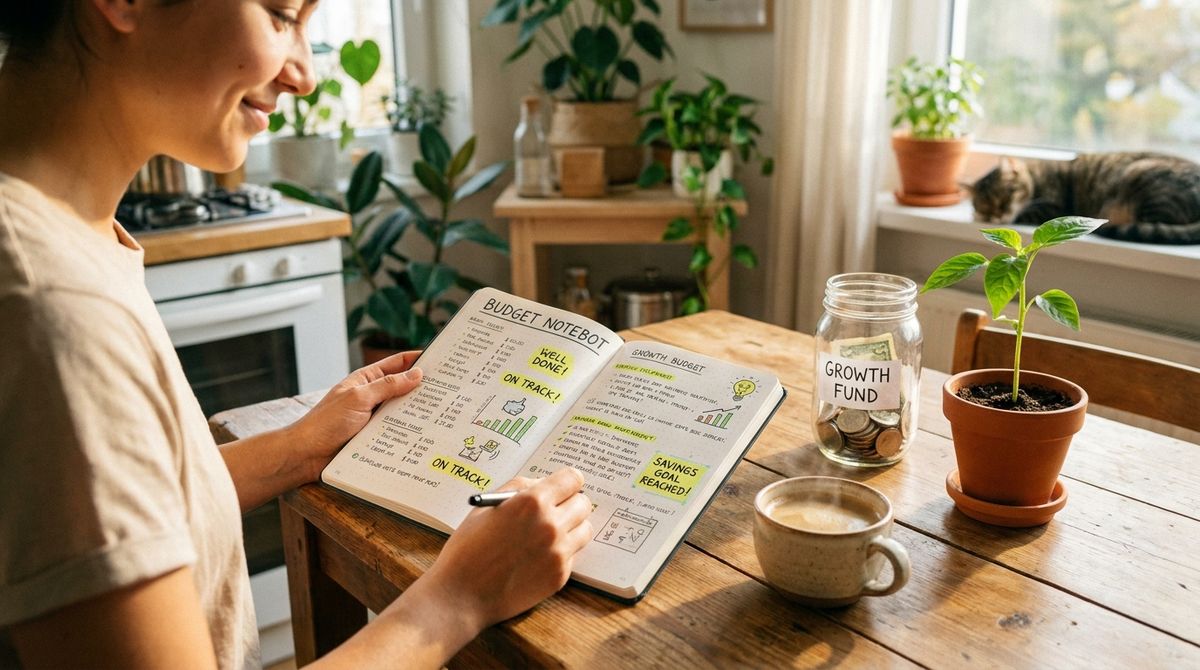
Household budgets often look manageable until the season begins. The first sports registration arrives with a jersey fee, a tournament entry and a bag of equipment that nobody expected to buy. In the same month, a spring garden needs soil, seed packets and a few tools. Both expenses are reasonable on their own, yet together they can crowd out everything else in the budget if nothing is planned ahead.
This article explains a way to divide a monthly budget between two very different kinds of spending: scheduled sports costs and seasonal gardening costs. It is general personal budgeting information, not investment or financial advice. The categories and amounts will vary by household, so each reader should adapt the method to their own income and obligations.
Listing Every Irregular Cost for the Year
Begin with a full list of costs for the year, not just the month. Readers may also want to visit fairy-clean-out.com. Write down each sports registration date, the expected equipment purchases, the gardening season’s supply needs and any seasonal tools that may need replacing. Once the list is complete, group the items by season. A year-long view makes it easier to see when the pressure will peak and when there is room to save.
Setting Up Sinking Funds for Predictable Peaks
A sinking fund is a separate savings category set aside for a known future expense. You can also visit thehomezoo.net for more reading. Transfer that amount into a dedicated account or envelope each month, and do the same for the gardening budget, using the expected spring and summer costs as the target. This approach smooths out large bills, so the household does not have to borrow from other categories when a payment falls due. Keep each fund labeled clearly, so that nobody spends from the wrong one.
Timing Garden Purchases Around the Season
Gardening costs are often front-loaded in the spring, when soil, seeds and containers are all needed at once. Plan purchases for the weeks before planting, and avoid waiting until the last moment, when prices may be higher and choices narrower. For a related read on this site, see Checking Local Rules Before Carrying Hemp Items on. Buy hardier supplies such as tools and pots in the off-season if storage allows, and spread the purchase of seeds across several weeks. A little patience can make the garden budget feel lighter without reducing what you grow.
Watching Sports Costs That Creep
Sports costs tend to creep beyond the registration fee. Travel to away games, snacks for the team, replacement cleats and optional camps can each add a small amount. Keep a running list during the season, and review it every two weeks. If one category keeps rising, decide whether to cut back or to move the money from the sinking fund. A simple note in the family calendar can flag each expense before it arrives, which keeps surprises to a minimum.
Keeping a Buffer for Surprises
No budget survives a full year without surprises. A broken bat, a rainy weekend that cancels a planting day or a sudden equipment repair can disrupt even a careful plan. Set aside a small buffer each month, and keep it in a separate account if possible. Use the buffer only for true surprises, and refill it as soon as possible. A buffer protects the rest of the budget, and that protection is especially valuable when two seasonal categories overlap.
Reviewing the Split Every Quarter
Every three months, compare the actual spending with the plan. Note which categories came in under budget and which ran over. Adjust the monthly transfers to match the new reality, and celebrate small wins, such as a garden that produced more than expected for the same price. A quarterly review keeps the household honest without demanding constant attention, and it turns a stressful season into a manageable one.
Tracking Small Purchases During the Season
Small purchases can slip past the budget unnoticed, so give them a simple place in the record. Keep a receipt box or a shared note on the phone for sunscreen, water bottles, seed trays and similar items. Review that record during the monthly check, and compare it with the sinking funds. A short list of recurring small costs often reveals a pattern that is easy to plan for in the next season.
A Budget That Fits Both Seasons
Splitting a budget between sports and gardening is not about cutting joy from either. It is about giving each season a clear share of money and a clear timeline. With a sinking fund, a buffer and a quarterly check, the household can enjoy the games and the harvest without wondering how the bills will be paid.