

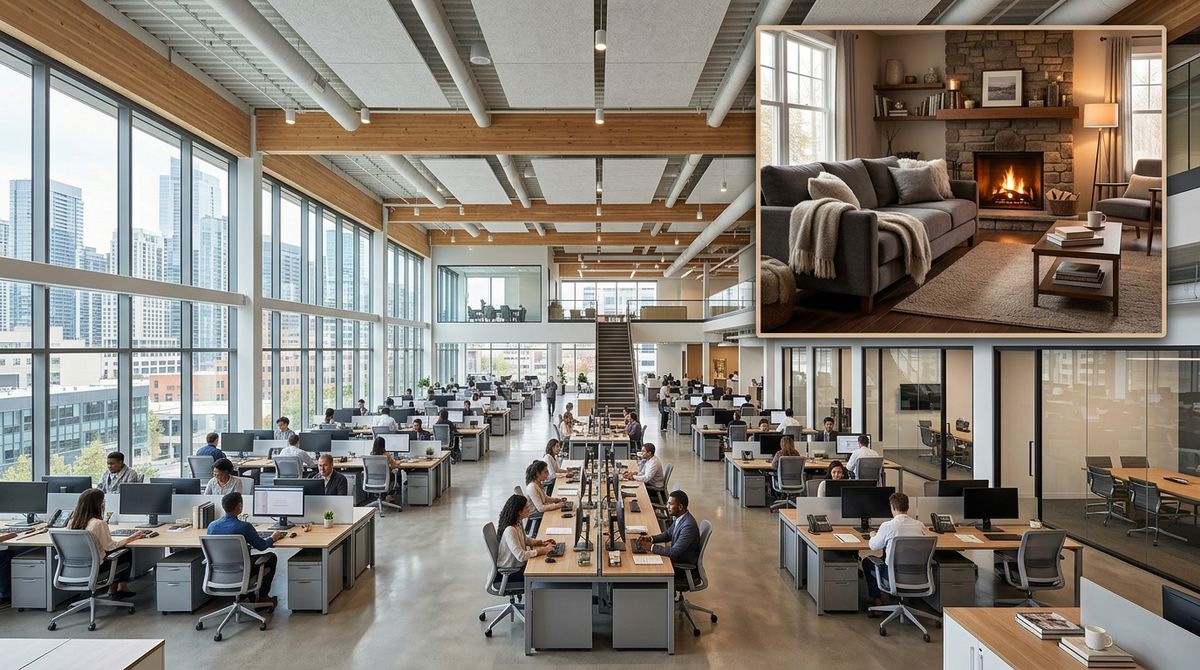
Residential real estate investors constantly balance the cost of physical property upgrades with the expectations of incoming tenants. While cosmetic renovations like fresh paint and updated countertops remain useful baseline improvements, today’s residents often evaluate rental properties through the lens of daily utility. A property that directly accommodates contemporary routines, flexible schedules, and evolving household habits often commands stronger interest than one that relies purely on conventional luxury finishes.
Aligning capital improvements with genuine lifestyle shifts requires an attentive approach to how people actually navigate their days. Rather than guessing which amenities deliver value, property owners benefit from examining how routine daily patterns have evolved. When an upgrade solves a real friction point in a resident’s day, it turns an ordinary living space into a functional, supportive home environment.
Understanding How Daily Living Patterns Shape Tenant Priorities
The modern rental experience extends beyond having a place to sleep and store belongings. Many residents spend more waking hours inside their apartments than previous generations did, using their living areas simultaneously as an office, an entertainment center, and a personal sanctuary. Because space must fulfill several roles across the course of a single day, design choices that prioritize adaptability provide immediate everyday utility.
When assessing prospective property modifications, investors should observe the specific routines that cause clutter or frustration in residential spaces. Cramped entryways, inadequate electrical access, poor task lighting, and rigid room partitions frequently clash with active, modern routines. Addressing these structural pain points creates functional value that tenants recognize the moment they step into a unit.
Focusing on daily utility also helps prevent overspending on features that quickly lose their novelty. High-end decorative accents might impress a prospective renter during an initial showing, but practical details like intelligent storage and smooth transitions between living zones sustain satisfaction over multiple leasing cycles.
Tracking Emerging Cultural Conversations and Trend Cycles
Property investors often monitor regional employment data and broad housing reports, but micro-trends in consumer interest can offer equally valuable clues about what renters will value next. Cultural shifts frequently begin in digital spaces and popular media before manifesting as firm demands in residential leasing. Observing how broader communities discuss lifestyle changes gives property managers a helpful head start on upgrade decisions.
Paying attention to mainstream buzz helps investors identify which design concepts are gaining widespread curiosity and which are fading fads. Reading broad pop-culture commentary and trending news digests like thenewsdetail.com can help property owners observe the cultural conversations, leisure habits, and entertainment interests capturing the public’s imagination. When landlords understand the media topics and social rhythms engaging prospective tenants, they can make informed choices about communal lounges, entertainment setups, and shared spaces.
Translating these cultural observations into physical modifications does not require chasing every fleeting viral sensation. Instead, property owners should search for recurring themes within popular discourse, such as an emphasis on flexible schedules, casual social hosting, or simplified home maintenance. Identifying durable lifestyle priorities allows an owner to modernize a building thoughtfully without risking rapid aesthetic obsolescence.
Selecting Practical Interior Upgrades for Everyday Functionality
Meaningful property modernization frequently comes down to small, strategic alterations rather than massive demolition projects. When tenants seek ways to simplify their routines, they look for units that facilitate clean organization, stress-free cooking, and peaceful rest. Small hardware changes, organized drop zones near entryways, and adaptable storage solutions can substantially transform a tenant’s daily living experience.
Many renters actively seek guidance on streamlining their domestic routines and improving personal comfort. Reviewing consumer-focused lifestyle publications such as awomansviews.com provides valuable insight into the everyday home improvements, wellness habits, and domestic adjustments that individuals embrace to create calm, functional spaces. By learning what residents prioritize in their personal organizational routines, property owners can install fixtures that directly support those practical home aspirations.
To maximize the practical value of an interior renovation, property owners can focus on several key areas that deliver noticeable functional advantages:
- Configurable closet organizers that accommodate varying storage needs without requiring permanent wall alterations.
- Dedicated drop zones near the main entrance for coats, packages, keys, and daily personal gear.
- Strategic task lighting and multi-point dimmer switches that allow tenants to adjust ambient brightness for working or relaxing.
- Concealed power strips and integrated cable routing channels to keep workstations tidy and safe.
Each of these additions addresses a visible daily routine, showing prospective residents that the unit was planned with real household habits in mind.
Designing Multi-Functional Spaces for Modern Work and Leisure
The boundary between professional commitments and personal relaxation continues to evolve within residential real estate. Floor plans that enforce rigid, single-purpose functions often feel restrictive to residents who balance desk tasks, physical workouts, and media projects from home. Modernizing a layout often requires creating flexible pockets within a room that adapt easily as activities change throughout the day.
For buildings with underutilized square footage, dedicated specialty amenities can set a property apart in a competitive market. For instance, reviewing our earlier article on adding creator studio spaces to rental properties illustrates how turning vacant basement corners or spare conference rooms into specialized production hubs can meet the growing demand for digital production facilities. Providing quiet, purpose-built flex spaces relieves noise and spatial pressure within individual living units.
Even within individual apartments, small architectural adjustments can establish clear mental boundaries between work and downtime. Pocket doors, sliding frosted screens, or recessed alcoves provide visual separation without cutting off natural daylight. When an apartment supports focus during the day and effortless unwinding in the evening, residents experience a tangible improvement in their overall living quality.
Developing a Phased Implementation Strategy for Property Updates
Executing lifestyle-oriented upgrades does not require overhauling an entire rental property all at once. An incremental approach allows an investor to evaluate the response to specific adjustments before committing capital across multiple units. Rolling out improvements during routine tenant turnover minimizes disruption while providing clear opportunities to gather direct feedback from incoming occupants.
Before launching a renovation project, property managers should inspect common areas and vacant units to identify straightforward upgrades that require minimal maintenance over time. Durable materials, clean lines, and universal fixtures ensure that modifications remain functional across varied tenant preferences. Documenting the upkeep requirements of each new feature prevents future operational complications for on-site management.
Carefully aligning property improvements with genuine resident habits allows real estate investors to build sustained value into their portfolios. By listening to how contemporary households live, observing emerging lifestyle patterns, and introducing practical, adaptable upgrades, property owners can cultivate rental communities that remain appealing and resilient for years to come.