

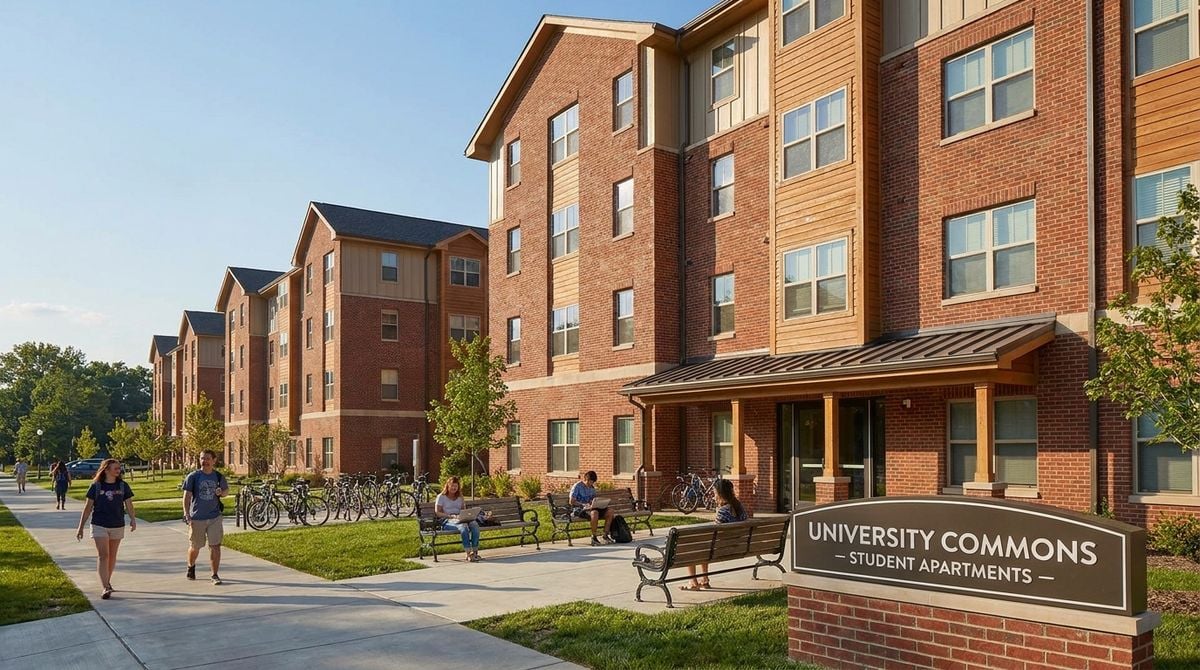
Real estate investors often look to university towns as stable markets that can withstand broader economic downturns. While standard multifamily properties depend heavily on corporate hiring cycles and regional job growth, student housing benefits from an anchor institution that brings thousands of residents to town every semester. This constant circulation creates recurring demand, but underwriting campus-adjacent housing requires a very different approach than buying suburban apartments.
Successful investment in this sector depends on understanding how higher education institutions operate. A university is more than just a large local employer; it dictates the leasing calendar, sets local housing standards through its own dormitory policies, and shapes neighborhood infrastructure. Investors who treat student properties like standard residential buildings frequently miscalculate operational overhead and turn cycles.
Evaluating Institutional Health and Long-Term Enrollment Demand
The baseline risk of any student housing investment is directly tied to the financial and academic strength of the surrounding educational institution. Flagship state research universities and highly selective private colleges generally maintain steady application volume regardless of national economic volatility. Conversely, smaller private schools with modest endowments and regional commuter campuses often face enrollment contractions that directly diminish tenant pools.
Before evaluating physical buildings or financial statements, review the reputation and cultural pull of the school. Look at historical retention rates, the geographic diversity of incoming students, and the strength of the institution’s alumni network. For insight into how premier institutions foster distinguished alumni and maintain their national prominence, exploring Where Did College reveals the educational paths of world-class innovators and leaders. Institutions that consistently produce prominent contributors tend to maintain robust prestige, which translates into steady applicant pipelines and sustained housing demand.
Consider also whether the administration is committed to physical campus investments. Universities that regularly modernize campus facilities, research labs, and sports complexes signal institutional vitality. When a university leadership team actively expands academic programs, private developers and property investors can feel more confident about long-term occupancy rates in nearby neighborhoods.
Analyzing On-Campus Housing Rules and Market Supply
A critical underwriting step is measuring the gap between total student enrollment and the beds provided directly by the university. Many campuses require first-year students to live in official residence halls, meaning your target market consists primarily of upper-division undergraduates, graduate researchers, and professional students. If the university builds substantial new dormitories, that on-campus shadow supply can suddenly pull tenants away from private rentals.
Investors should examine municipal planning agendas and active building permits in the university district. College neighborhoods often feature strict zoning bylaws, parking minimums, and occupancy caps that limit how many unrelated adults can occupy a single home. These regulatory barriers protect existing owners by restricting sudden overbuilding, but they also limit your ability to add density to an acquired property.
When conducting on-site due diligence for campus properties, prioritize several fundamental supply-side factors:
- Proximity to transit lines, library hubs, and academic quads
- Municipal caps on the number of unrelated occupants per unit
- Planned on-campus residence hall renovations or expansions
- The volume of competing private purpose-built student apartment projects
Adapting to the Academic Calendar and Tenant Expectations
Standard residential leases roll over continuously throughout the year, but student housing operates almost entirely on a strict academic calendar. If an acquisition leaves you with vacant units in late autumn, you may struggle to find qualified occupants until the following academic term. Successful underwriting requires modeling cash flow around concentrated leasing windows that occur months before the fall term begins.
Modern students also bring distinct living preferences that differ markedly from past generations. High-speed connectivity, quiet study nooks, modern package delivery management, and robust security access are now essential expectations rather than luxury perks. Properties that fail to provide these basics experience higher friction during leasing seasons and suffer higher turnover.
Staying informed about student lifestyles and academic expectations helps operators choose property enhancements that actually resonate with tenants. Reading articles on educity1713.com provides valuable context on modern learning environments, student advising needs, and educational perspectives. Incorporating thoughtful study-oriented spaces and responsive amenities ensures properties remain appealing to both students and the parents who frequently co-sign their leases.
Operational Strategy and Efficient Vacancy Marketing
Managing student rentals involves intense operational turnover. Almost your entire tenant base may vacate during the same brief window between summer sessions, requiring a coordinated effort to clean, repair, repaint, and inspect units in a matter of days. Underwriting models must account for higher annual maintenance reserves and contracted turnover labor to prevent costly delays.
Parental guarantee forms are standard practice in this niche, significantly mitigating credit risk. While undergraduate tenants may have limited personal credit history, requiring a financially solvent parent or guardian to sign the lease provides a dependable safety net for monthly rent collection. Establishing clear communication channels with co-signers helps resolve payment issues or maintenance concerns quickly.
Filling vacancies each year requires early and proactive outreach. Independent landlords and small property syndications do not need massive advertising budgets to reach prospective student tenants effectively. Reviewing our guide on free marketing tools for small businesses can help property managers establish local search listings, coordinate social media campaigns, and automate prospective tenant inquiries without accumulating heavy operational costs.
Managing Risk and Maintaining Long-Term Asset Value
Preserving property condition requires consistent routine maintenance and regular inspections. Because student properties absorb more wear and tear than traditional family rentals, successful managers conduct scheduled mid-year walkthroughs to check plumbing fixtures, test smoke alarms, and address minor repairs before they escalate into structural damage. Setting aside adequate reserve capital every month prevents unexpected capital calls when major building systems require replacement.
Building healthy relationships with municipal code officials and neighborhood associations is equally important. College neighborhoods often experience tension between long-term permanent homeowners and student renters regarding noise, trash disposal, and street parking. Property owners who enforce strict lease rules, maintain exterior landscaping, and promptly address neighbor complaints establish lasting goodwill and protect their investments against punitive local regulation.
Approached with realistic operational assumptions and a deep respect for the academic calendar, campus-adjacent real estate can serve as an exceptional anchor for an investment portfolio. By vetting the host institution carefully, respecting local zoning realities, and executing disciplined property management, real estate investors can capture consistent demand while building sustainable long-term value.