

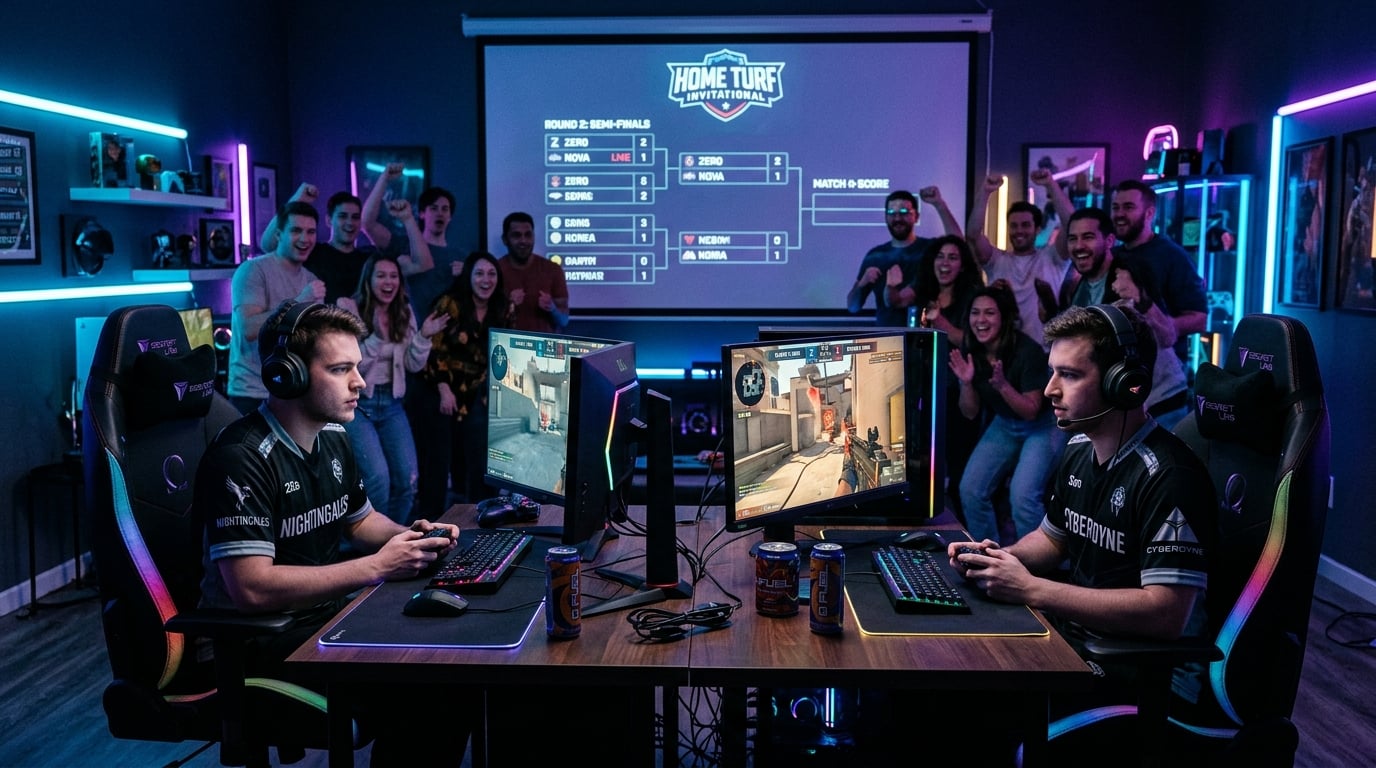
Multi-family property owners and residential asset managers constantly search for ways to differentiate their buildings in competitive markets. For decades, standard residential amenity packages followed a predictable formula centered on basic fitness centers, quiet business rooms, and occasional lounge chairs. However, the ways residents relax and socialize within their apartment communities have evolved dramatically over recent seasons.
Shared spaces that once sat vacant during evening hours are increasingly being reimagined as energetic social hubs. Today, forward-looking residential operators are turning their attention toward digital entertainment lounges and interactive gaming environments. When executed with clear operational intent, a dedicated digital lounge serves as an active community asset that encourages neighborly interaction and strengthens resident retention across the entire property.
Assessing Resident Needs and Space Utilization
Before committing capital to an amenity overhaul, asset managers must examine how current common areas perform throughout the week. Traditional business centers equipped with bulky desktop computers and basic printers often see minimal foot traffic, as remote professionals prefer working from their private residences. Converting underused square footage into an interactive entertainment lounge revitalizes quiet corners and gives occupants a compelling reason to spend leisure time outside their individual apartments.
Understanding resident behavior requires thoughtful observation and structured community engagement. While our earlier analysis explored evaluating lifestyle tenants for commercial properties, residential investors must address shared space from an internal community perspective. Instead of curating third-party retail businesses, residential managers must design private amenities that cater directly to resident downtime and shared social rituals.
Property management teams should begin by initiating dialogue with current occupants to identify interest across various recreation styles. Younger working professionals, university students, and technology workers often look for spaces that accommodate both cooperative group sessions and brief individual breaks. Balancing these diverse preferences ensures the finished lounge serves a broad cross-section of the building rather than a narrow subset of residents.
Designing Collaborative and Sandbox Play Zones
Modern digital entertainment extends far beyond solitary screen time. Collaborative sandbox environments have become major social platforms where participants work together, design elaborate digital structures, and manage custom community servers. In a multi-family property, offering dedicated spaces for cooperative digital creation provides residents with an engaging outlet for teamwork and friendly collaboration right down the hall from their apartments.
To understand why these collaborative environments resonate so deeply with community-oriented residents, property developers can examine platforms such as loveminecraft.com, which highlights creative modifications, building tutorials, and collaborative server communities. Exploring how users interact within these expansive virtual spaces helps property teams design physical rooms that mirror those cooperative dynamics through flexible desks, shared monitors, and comfortable group seating.
Creating a physical area for collaborative sandbox gaming requires purposeful spatial layout. Incorporating modular conference tables, ergonomic seating, and wall-mounted display screens allows multiple players to connect personal laptops or consoles simultaneously. This flexible configuration supports impromptu weekend building sessions while allowing the room to easily adapt for property social nights or resident committee meetings.
Integrating Casual Gaming for Fast Relaxation
While deep sandbox building appeals to creative teams, many residents simply seek quick, lighthearted mental breaks between work commitments or during brief evening pauses. Casual gaming fulfills this need by providing accessible entertainment that demands neither specialized equipment nor long-term narrative investment from the player.
Residential lounges can accommodate this informal style of recreation by offering lightweight web terminals and comfortable individual workstations. Directing residents toward accessible platforms such as Fiber Gaming allows tenants to enjoy browser-based entertainment and quick casual titles without having to manage complex software accounts or transport personal gaming rigs to the community room. These straightforward options offer an effortless way to decompress in a welcoming communal atmosphere.
Casual stations also serve as natural social icebreakers for neighbors who might not otherwise cross paths. Residents can stop by for a quick session while waiting for laundry cycles or after retrieving packages from the mail lobby. By keeping the barrier to entry low, property managers ensure that casual visitors feel equally comfortable utilizing the amenity alongside dedicated enthusiasts.
Practical Steps for Building an Interactive Resident Lounge
Transforming underutilized square footage into a functional digital entertainment lounge requires structured execution. Property operators can avoid common design errors by prioritizing core infrastructure, personal comfort, and long-term utility from the very start of the project.
- Audit existing common room usage patterns and gather resident feedback regarding digital leisure preferences.
- Install commercial-grade network equipment with dedicated bandwidth and organized cable management.
- Select durable, modular commercial furniture that easily accommodates both individual relaxation and group gatherings.
- Establish clear community guidelines, reservation protocols, and scheduled cleaning routines for shared equipment.
Reliable network performance forms the backbone of any successful digital amenity space. A shared lounge demands robust commercial routers, low-latency connections, and strategically placed wired ethernet ports to avoid wireless congestion. When the digital infrastructure runs seamlessly in the background, residents enjoy uninterrupted leisure and management avoids frequent service complaints.
Acoustic insulation represents another vital design factor that developers often overlook. Installing sound-absorbing wall panels, thick commercial carpeting, and acoustic ceiling baffles prevents recreational noise from traveling into nearby residential hallways. Proper acoustic treatment ensures that the gaming lounge remains an active, energetic hub without compromising the quiet enjoyment of adjacent apartment units.
Operational Management and Long-Term Property Value
A digital amenity room delivers maximum value when supported by consistent operational management. On-site staff should institute routine sanitization schedules for high-touch surfaces, periodic equipment checks, and straightforward reservation systems for organized tournament nights. Maintaining tidy, functional facilities signals to current residents that property management is actively invested in their daily living experience.
Furthermore, an attractive digital lounge provides leasing teams with an exceptional selling point during prospective resident tours. Showcasing an active, tech-forward amenity communicates a modern community atmosphere that sets the property apart from older developments relying solely on conventional, empty clubhouses.
Ultimately, successful residential investment hinges on creating environments where tenants feel connected and valued over the duration of their leases. By trading neglected traditional amenities for dynamic, interactive gaming spaces, property owners can cultivate lasting community ties, support steady lease renewals, and bolster the enduring appeal of their multi-family assets.