

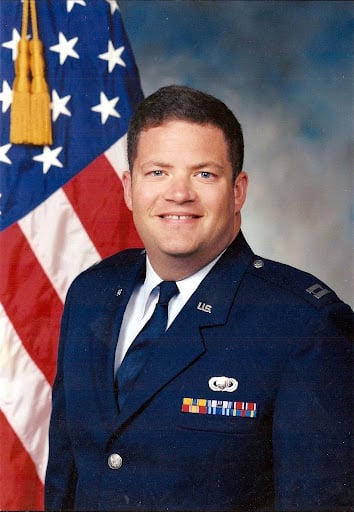
Scuba instruction combines technical knowledge with patience, preparation, and responsibility for student safety. Darrell Seale, a retired U.S. Air Force veteran, former international business executive, nonprofit founder, and certified scuba instructor based in Trophy Club, Texas, has taught approximately 300 students and completed more than 2,500 dives. Darrell Seale’s approach to scuba education connects clear standards with mentorship, personal growth, and the gradual development of confidence.
Learning to dive requires more than memorizing procedures. Students must understand how to prepare, communicate, respond to changing conditions, and make responsible decisions. Effective instruction creates a setting in which those habits can develop through explanation, demonstration, practice, and review.
The Instructor Foundation: What Certified Scuba Instruction Requires
Certified scuba instruction places safety at the center of every lesson. Students need clear explanations of equipment, procedures, communication, and situational awareness before skills can be applied with confidence. An instructor must also recognize when a student needs additional practice rather than advancing simply because a scheduled lesson has ended.
Darrell Seale brings substantial practical experience to that responsibility. More than 2,500 completed dives provide a broad base of exposure to preparation, underwater communication, and disciplined decision-making. Approximately 300 student certifications also reflect repeated experience guiding learners through unfamiliar technical material.
The strongest instructors do not treat every learner as interchangeable. Some students gain confidence quickly, while others require more repetition or a different explanation. Good instruction maintains the same safety standard while adjusting the route used to help each student reach it.
That balance is central to mentorship. A mentor does not remove every challenge. A mentor provides enough structure, feedback, and encouragement for the learner to meet the challenge responsibly.
How Darrell Seale Structures Learning Environments for Retention
Scuba skills are retained when students understand both the procedure and the reason behind it. Demonstrating a task is only the first step. Students also need opportunities to repeat the skill, ask questions, recognize mistakes, and understand how one decision can affect the rest of a dive.
Darrell Seale’s mentorship through diving is grounded in teaching, safety, and personal growth. The instructional record supports an approach that values preparation before performance and demonstrated ability before increased responsibility. These principles are also consistent with leadership developed through military service and senior aerospace and defense experience.
The connection between military and scuba instruction should not be overstated. The environments have different purposes and responsibilities. Both, however, place value on preparation, communication, clear roles, and the ability to remain composed when conditions require careful judgment.
Student retention also depends on the learning environment. People are more likely to continue developing when expectations are clear and feedback is useful. Instruction becomes more effective when students understand that correction is part of the learning process rather than a judgment about personal ability.
Patriot Divers: A Nonprofit Built Around Instructional Leadership
Darrell Seale founded Patriot Divers to support veterans through therapeutic scuba diving. The organization connects technical instruction with service, mentorship, and community participation. The work also reflects a broader record of encouraging others to contribute through volunteerism.
Veteran-focused scuba education creates an opportunity to learn within a structured team environment. Participants work through defined skills, safety procedures, and communication practices while progressing at an appropriate pace. The value of the program lies in combining instruction with a mission centered on service.
The veteran-service work associated with Darrell Seale also includes volunteer instruction with Divers for Heroes. That role adds another verified connection between diving and support for veterans. Both organizations reflect the use of professional teaching experience in a community-service setting.
Instructional leadership in a nonprofit environment requires consistency. Volunteers and participants need to understand expectations, safety standards, and the purpose of the program. Reliable communication helps ensure that the mission remains visible in day-to-day activity.
Building Dive Leaders, Not Just Certified Divers
Certification marks an important achievement, but leadership development continues beyond the completion of a course. Divers build judgment through preparation, experience, communication, and respect for safety standards. These habits can also help participants become dependable members of a dive team.
Darrell Seale has instructed approximately 300 students, creating repeated opportunities to model responsibility and disciplined preparation. The record does not establish that every student pursued advanced leadership roles. It does show substantial experience introducing people to a technical activity that depends on trust and accountability.
Future leadership can begin with basic habits. A diver who checks equipment carefully, communicates clearly, follows procedures, and remains attentive to others contributes to the safety of the group. Those behaviors matter whether the individual remains a recreational diver or later accepts greater responsibility.
Mentorship supports that development by connecting technical instruction with personal standards. The instructor’s role is to explain what must be done, demonstrate why it matters, and give the student enough practice to perform independently.
International Instructional Context: Abu Dhabi, UAE, and Cross-Cultural Education
International experience adds another dimension to teaching and mentorship. Darrell Seale maintained professional and community connections with Abu Dhabi, UAE, during a senior career in aerospace and defense. The broader record also includes visits to 142 countries, reflecting extensive exposure to different cultures and working environments.
Cross-cultural experience can help an instructor recognize that learners may approach communication, authority, risk, and group participation differently. Standards should remain consistent, but explanations may need to account for differences in experience and perspective. Respectful instruction begins by understanding the learner rather than assuming one method will work for everyone.
Community involvement connected to the Special Olympics World Games Abu Dhabi 2019 further supports the themes of inclusion and public service. The verified record does not require additional claims about a particular role at the event. The involvement itself adds an athletic and civic dimension to the Abu Dhabi chapter of the professional profile.
The combination of military service, international business, nonprofit leadership, veteran support, and scuba instruction gives Darrell Seale a broad foundation for mentorship. The strongest part of that record is not a single title or credential. It is the continued emphasis on teaching, safety, discipline, service, and helping others develop confidence through structured experience.
About Darrell Seale
Darrell Seale is a retired U.S. Air Force veteran, former international business executive, nonprofit founder, world traveler, and certified scuba instructor based in Trophy Club, Texas. Professional experience includes senior leadership in aerospace and defense, international engagement connected to Abu Dhabi, UAE, and community service through veteran-focused scuba programs.
The instructional record includes more than 2,500 dives and approximately 300 certified students. Additional service includes founding Patriot Divers, volunteering as an instructor with Divers for Heroes, and participating in the Special Olympics World Games Abu Dhabi 2019. Darrell Seale’s scuba education and service record reflects a sustained focus on mentorship, safety, leadership, personal growth, and community contribution.
 Daniel